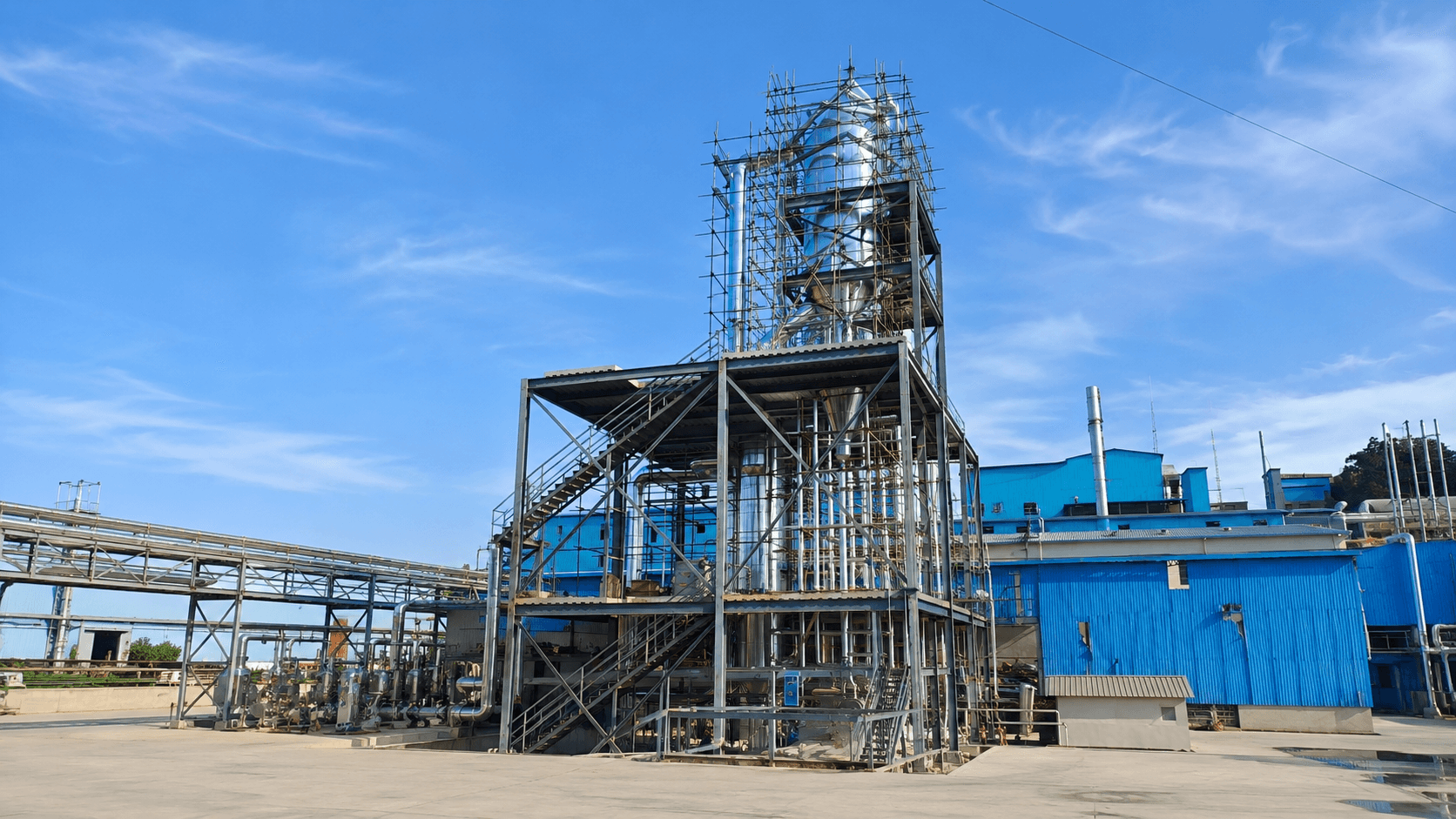
High-salinity wastewater concentration before further ZLD treatment
Industrial water treatment · Project-specific configuration
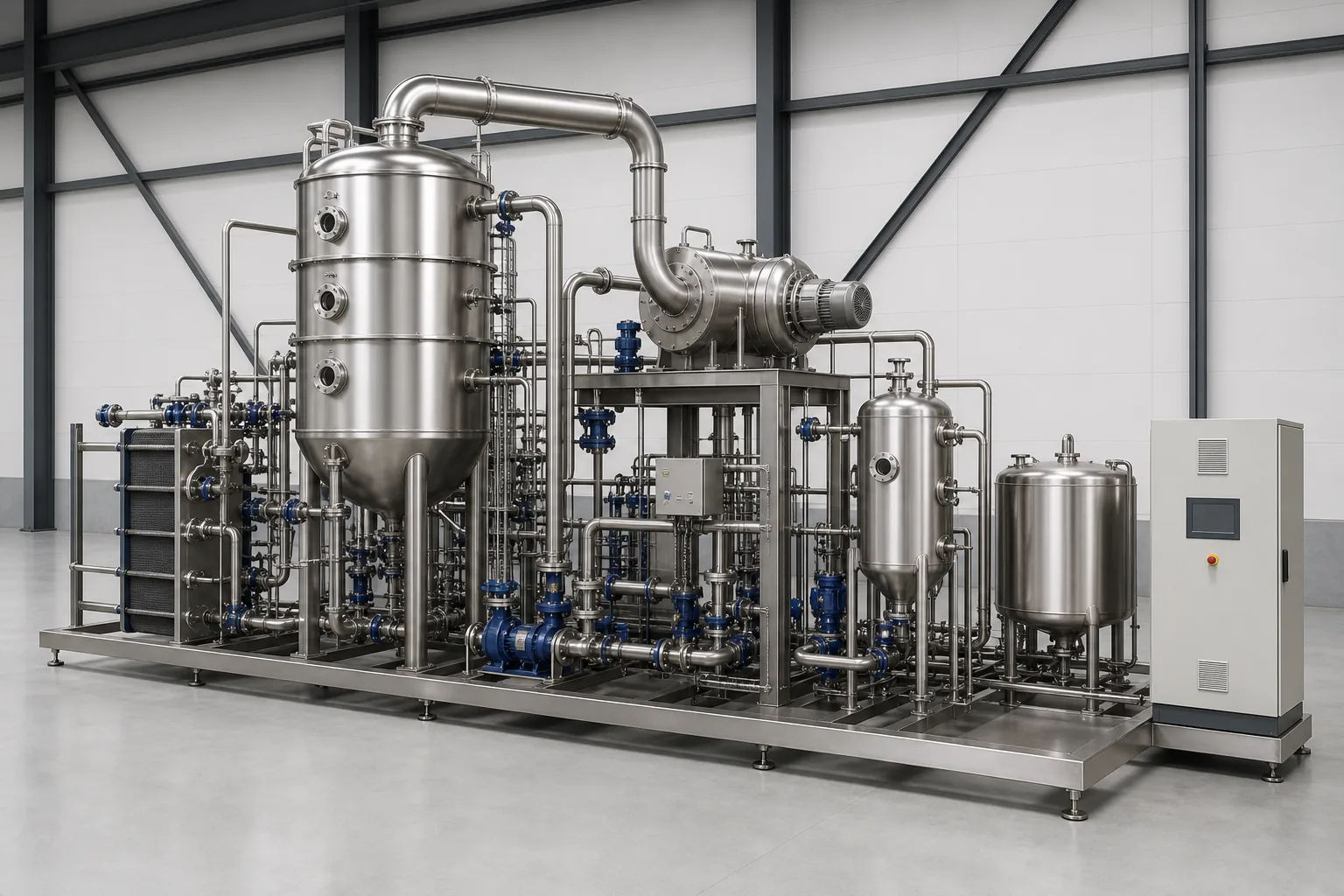
Wastewater Evaporators
Engineered evaporation and concentration systems for industrial wastewater streams where conventional treatment alone may not meet the project objective.
Direct answer: Baihuipu selects MVR, multi-effect, low-temperature heat-pump, or skid-mounted evaporation arrangements from the feed composition, concentration target, scaling and corrosion risk, heat sensitivity, utility conditions, and downstream concentrate route.
Configuration starts with water data, the treatment target, and site conditions.
Not sure which system you need? Ask About System Selection →
01
Concentrate the stream with a defined objectiveThe equipment and operating approach are selected around stream characteristics, capacity, and treatment goals.
Buyer fit
When This System Should Be Evaluated.
Use these application boundaries as a screening guide. Final suitability still requires representative water data and an agreed treatment objective.
Chemical, pharmaceutical, food, and environmental applications
Heat-sensitive, scaling-prone, corrosive, or low-boiling process streams requiring review
Projects seeking volume reduction or water or solvent recovery where technically suitable
System value
A Practical Route for High-Strength Wastewater.
Evaporation systems help concentrate complex industrial wastewater streams and support reuse, further treatment, or reduced liquid discharge goals.
Concentration strategy
Build the evaporation scope around wastewater composition and reduction objectives.
Integrated equipment
Coordinate the evaporation system with upstream and downstream treatment stages.
Project-aligned delivery
Support equipment assembly, delivery, and technical coordination.
Selection basis
What Defines the Right Configuration.
Capacity, materials, utilities, automation, and guaranteed performance are confirmed against these project inputs—not assumed from a generic model.
| Decision input | What the technical review needs |
|---|---|
| Feed characterization | Composition, suspended solids, salinity, organics, boiling-point elevation, and corrosion risk |
| Duty | Feed flow, inlet concentration, target concentration, expected operating hours, and turndown needs |
| Behavior in concentration | Scaling, foaming, viscosity, heat sensitivity, precipitation, and cleanability |
| Project conditions | Electricity, steam or cooling availability, site limits, condensate target, and concentrate or solids route |
Typical treatment route
Evaluate the Stream Before Selecting the Evaporation Route.
A suitable concentration system starts with an understanding of wastewater quality, expected operating conditions, and treatment objective.
Stream review
Assess composition, volume, and treatment constraints.
Upstream conditioning
Prepare the wastewater for the selected concentration process.
Evaporation
Concentrate the stream through the configured system.
Next-stage handling
Coordinate reuse, further treatment, or final disposal requirements.
Relevant project context
Selected Anonymous Project Records.
These records help buyers understand comparable water types and scales. They are not a promise that another project will use the same process or achieve the same result.
MVR evaporation
An MVR evaporator is recorded for the project
MVR evaporation
An MVR evaporator is recorded for the project
Ammonium-sulfate solution
A low-temperature evaporator is recorded for the project
Continue your evaluation
Related Buyer Guides and Applications.
Use these linked resources to confirm the next technical question before defining a project-specific equipment scope.
Prepare a useful RFQ
Send the Data That Changes the Design.
A quotation becomes more reliable when the design basis and project boundaries are visible from the start.
Send Your RequirementsFull feed composition
Flow and operating schedule
Inlet and target concentration
Scaling, foaming, corrosion, and heat-sensitivity information
Available utilities
Condensate and concentrate acceptance criteria
Buyer FAQ
Questions to Resolve Before Selection.
These answers define the decision process without turning project-specific values into universal specifications.
How do I choose between MVR, multi-effect, and low-temperature evaporation?
The decision depends on flow, feed chemistry, boiling-point elevation, scaling, heat sensitivity, energy availability, operating schedule, and the required concentrate and condensate outcomes.
Can an evaporator handle scaling or viscous feeds?
Potentially, but circulation pattern, heat-transfer surface, cleaning method, operating concentration, and materials must be selected from the actual feed behavior.
What should a feed analysis include?
Include major ions, COD or organics, suspended solids, density, viscosity, pH, temperature, corrosive constituents, and any known scaling or foaming behavior.
Is evaporation the same as a complete ZLD system?
No. An evaporator may be one stage within ZLD. Pretreatment, membrane concentration, crystallization, solids handling, and recovered-water reuse may also be required.
Are energy consumption and recovery fixed?
No. They depend on the selected process, feed properties, concentration target, operating conditions, and utilities, and must be calculated for the project.
Company context
Engineering and Manufacturing in Dongguan.
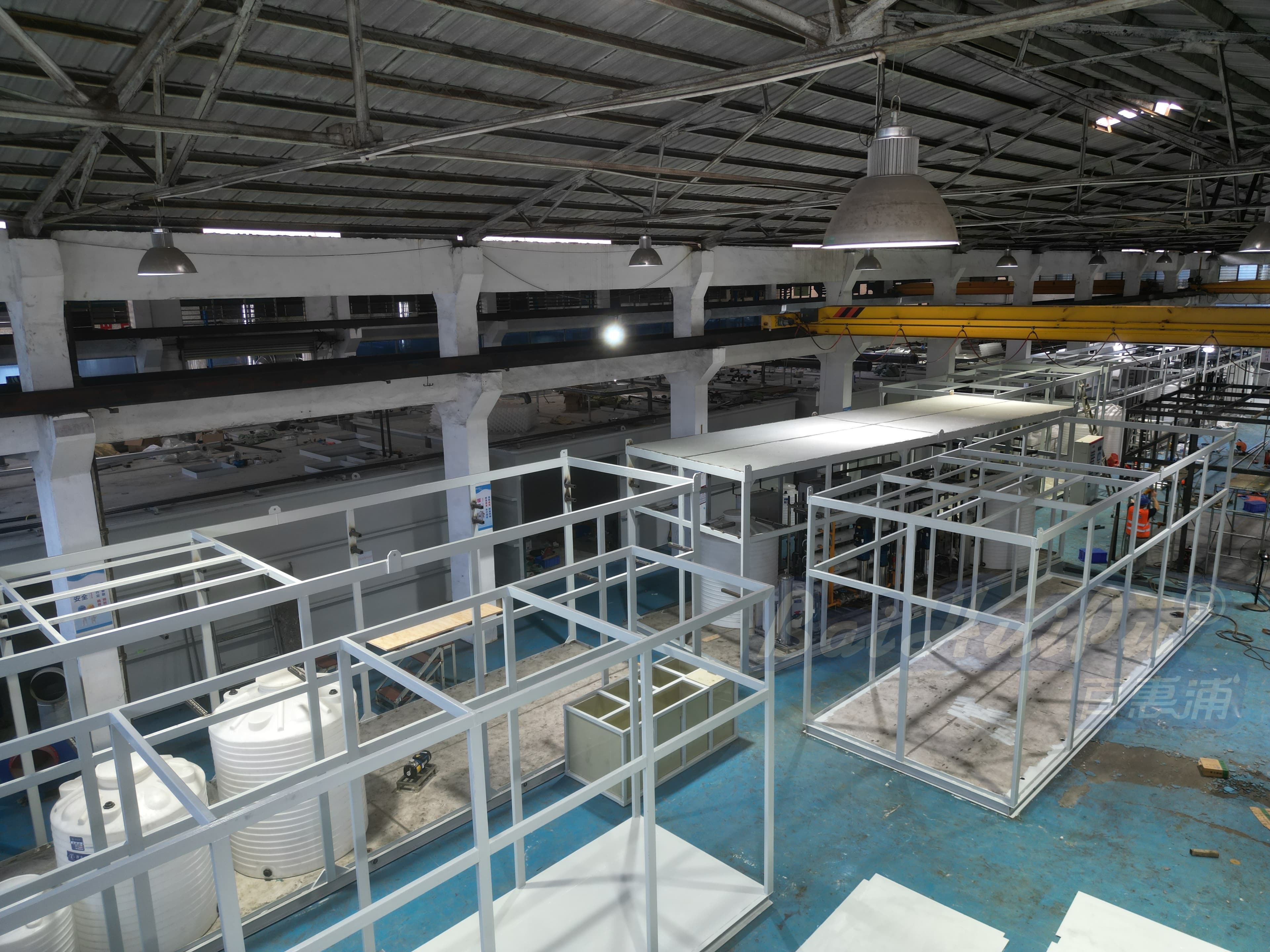
Guangdong Baihuipu Environmental and Energy Conservation Development Co., Ltd. was established in 2007 and integrates R&D, manufacturing, and sales.
- 150+ employees and 50 technical professionals
- Factory workshops and a wastewater laboratory shown in company materials
- Project references across multiple international markets
Discuss your requirement
Turn Your Project Data into a Clear Technical Scope.
Share your feed composition, flow, target concentration, and utility conditions for an evaporator selection review.