Practical guides for industrial water-treatment planning, equipment selection, and confident project conversations.
Latest technical articles
Useful Reading for Your Next Water Project.
Featured guide
Buyer Guide14 Sep 2026 · 14 min read
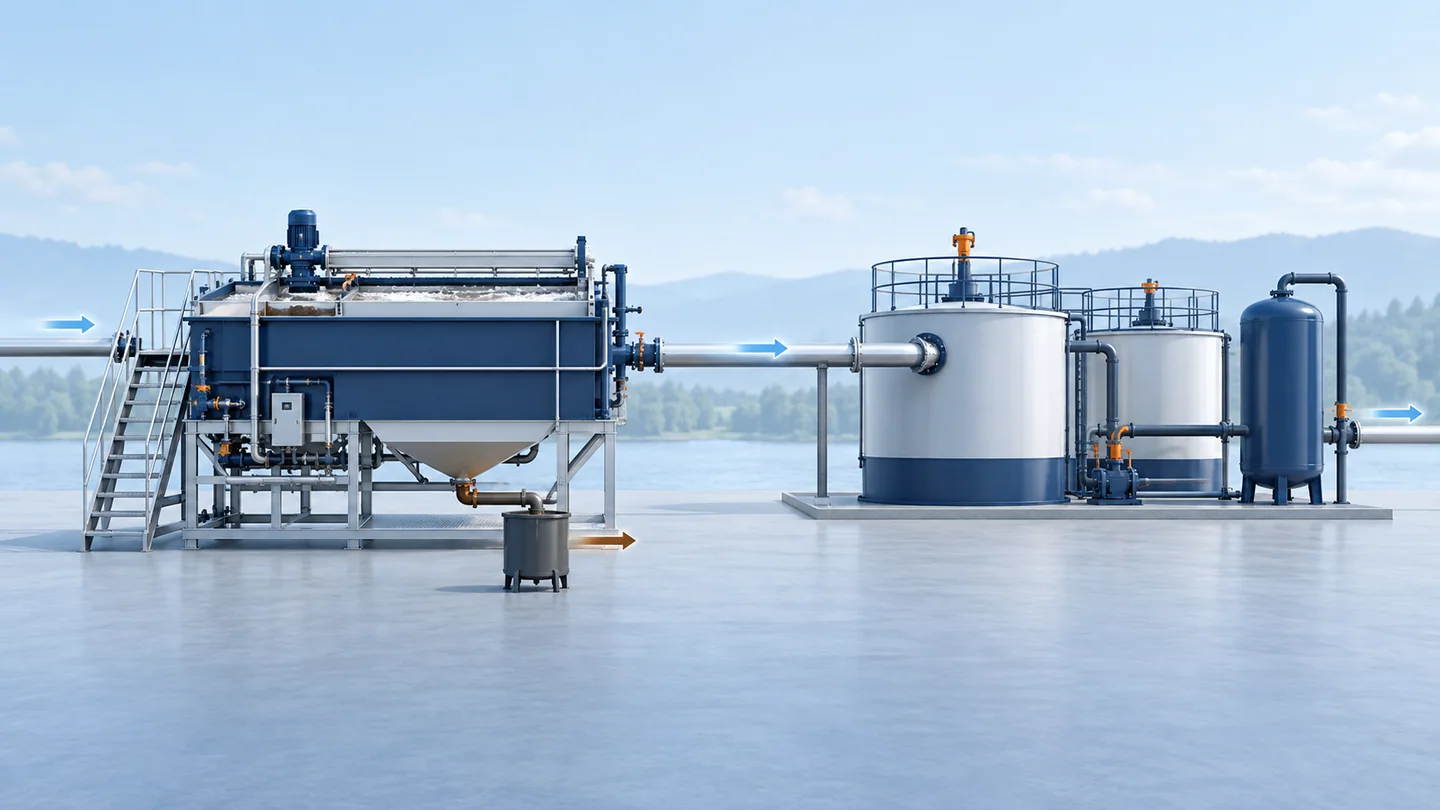
DAF COD Removal: Why Clear Effluent Can Still Have High COD
Distinguish a flotation problem from residual dissolved COD using comparable samples, flotation testing, load calculations and a defined downstream treatment scope.
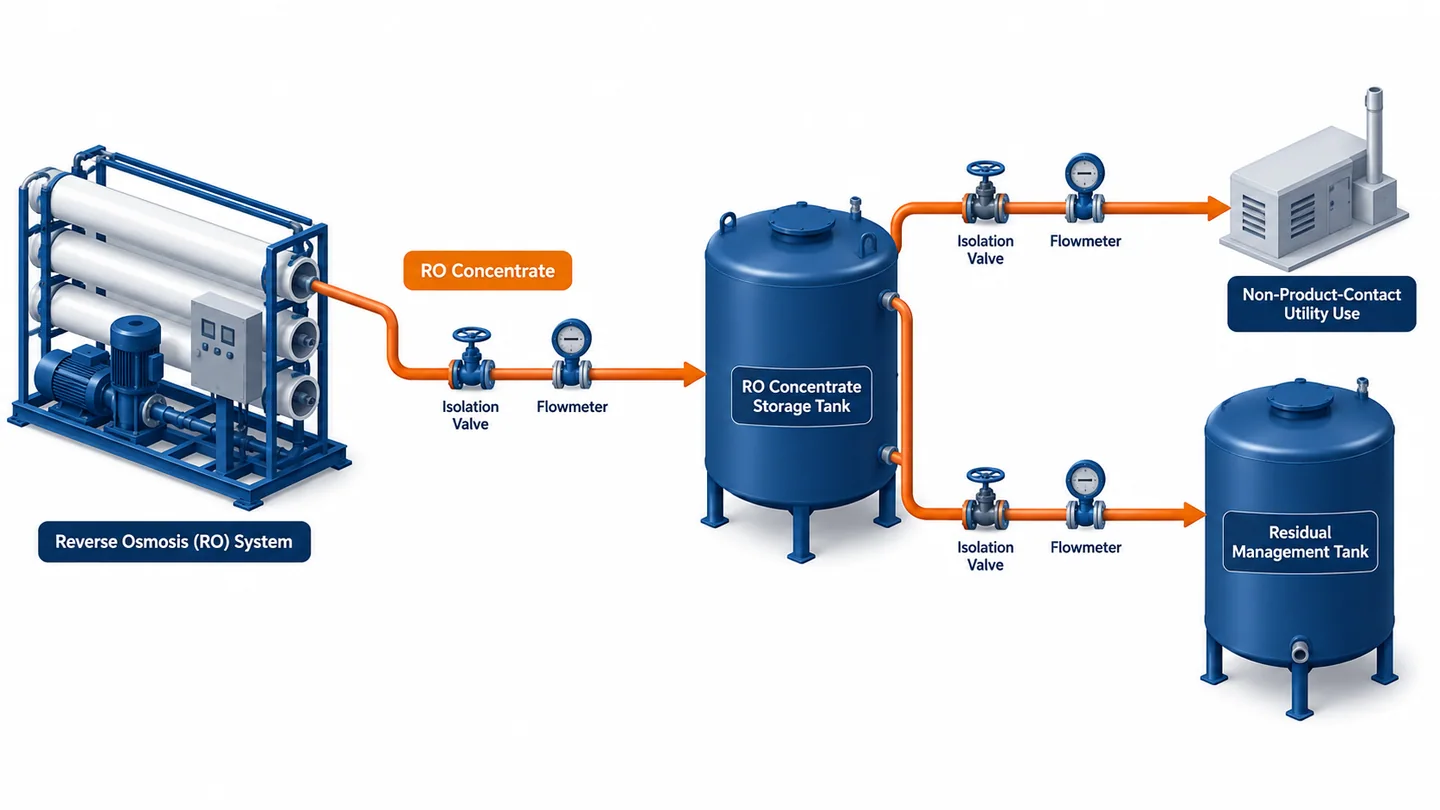
Can RO Reject Water Be Reused? An Industrial Buyer's Decision Guide
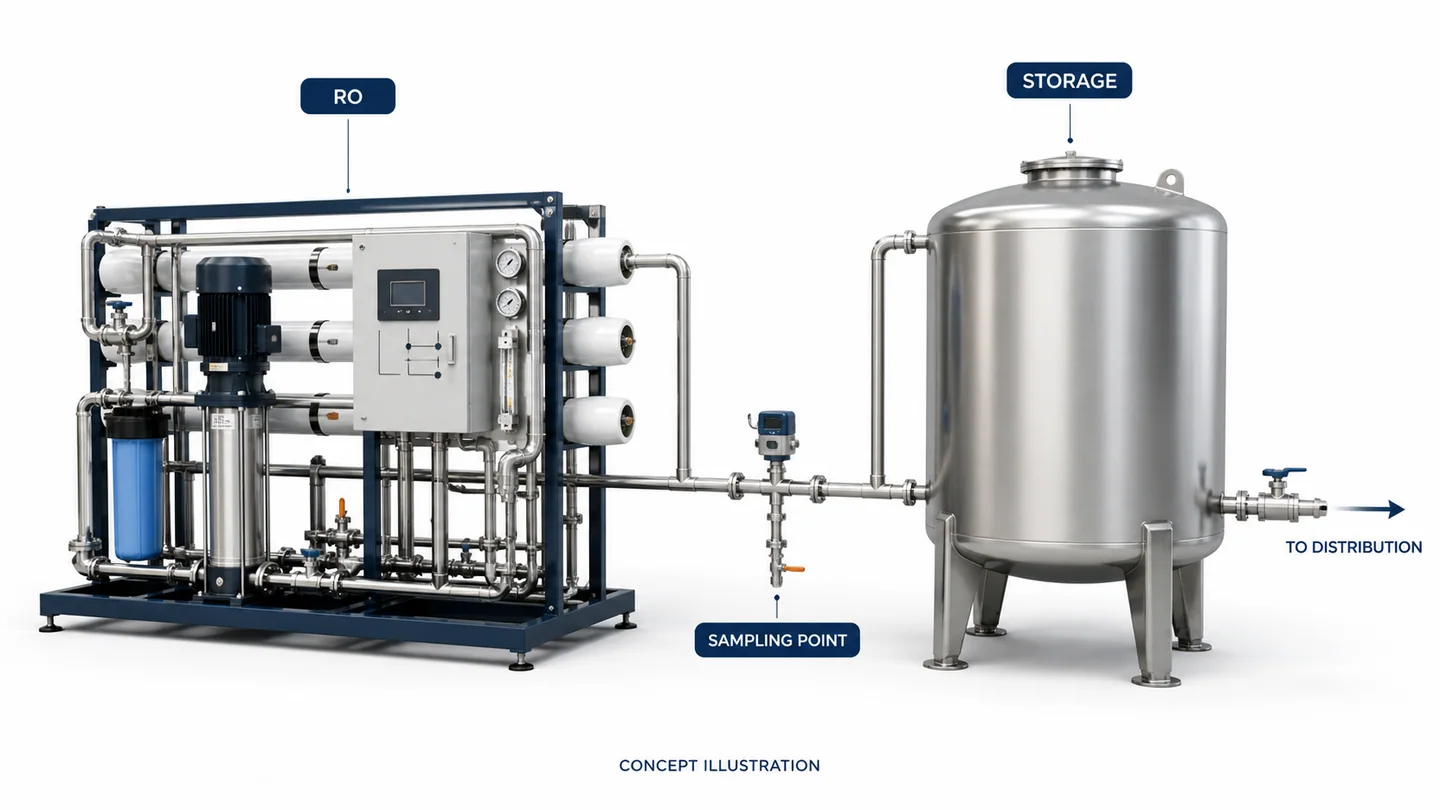
Assess RO concentrate reuse by matching measured chemistry and available volume to a real demand, with water balances, recovery limits and residual management.
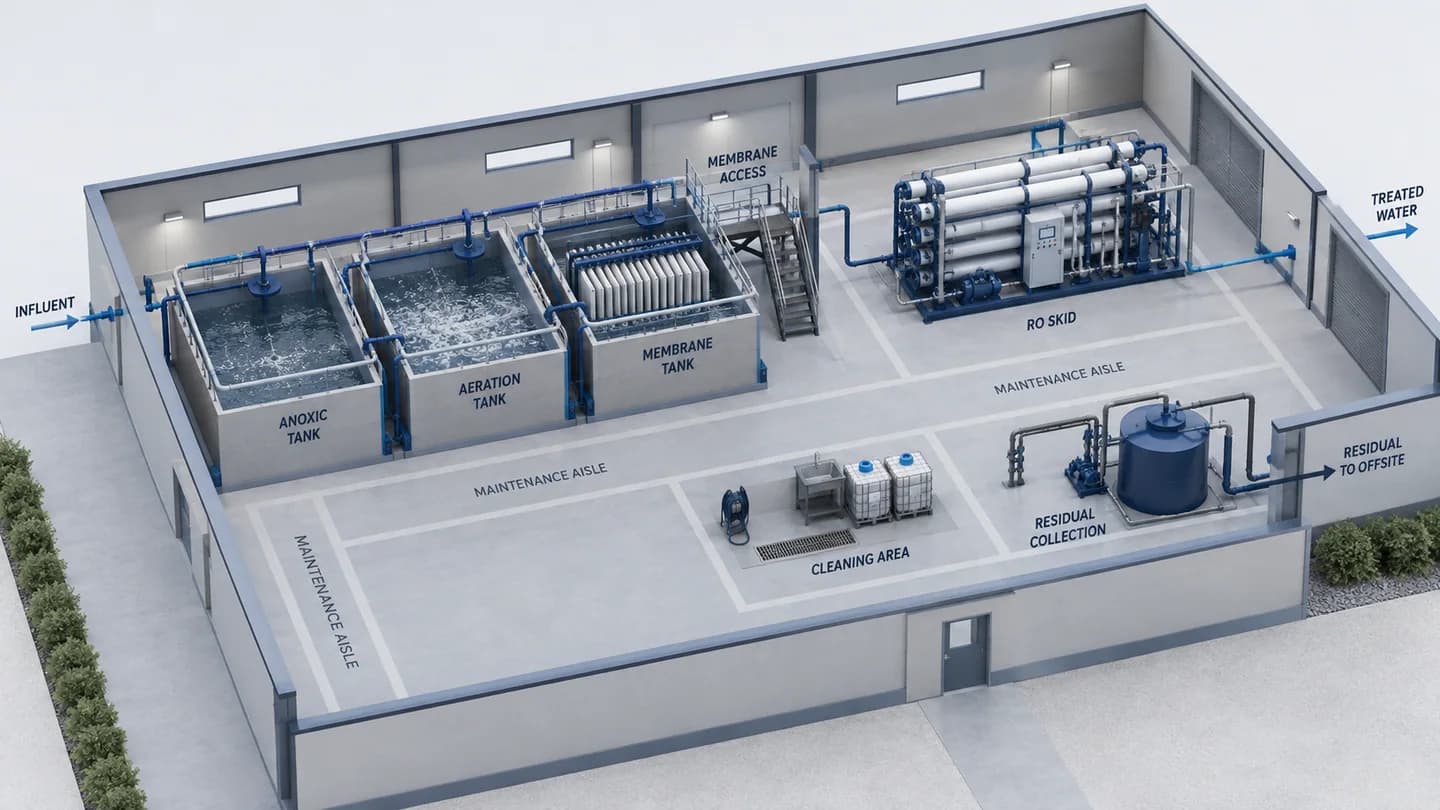
MBR vs RO for Industrial Wastewater Reuse: Do You Need One or Both?
Compare MBR biological treatment and RO separation against the intended reuse duty, net useful-water production, operating needs and acceptance boundaries.
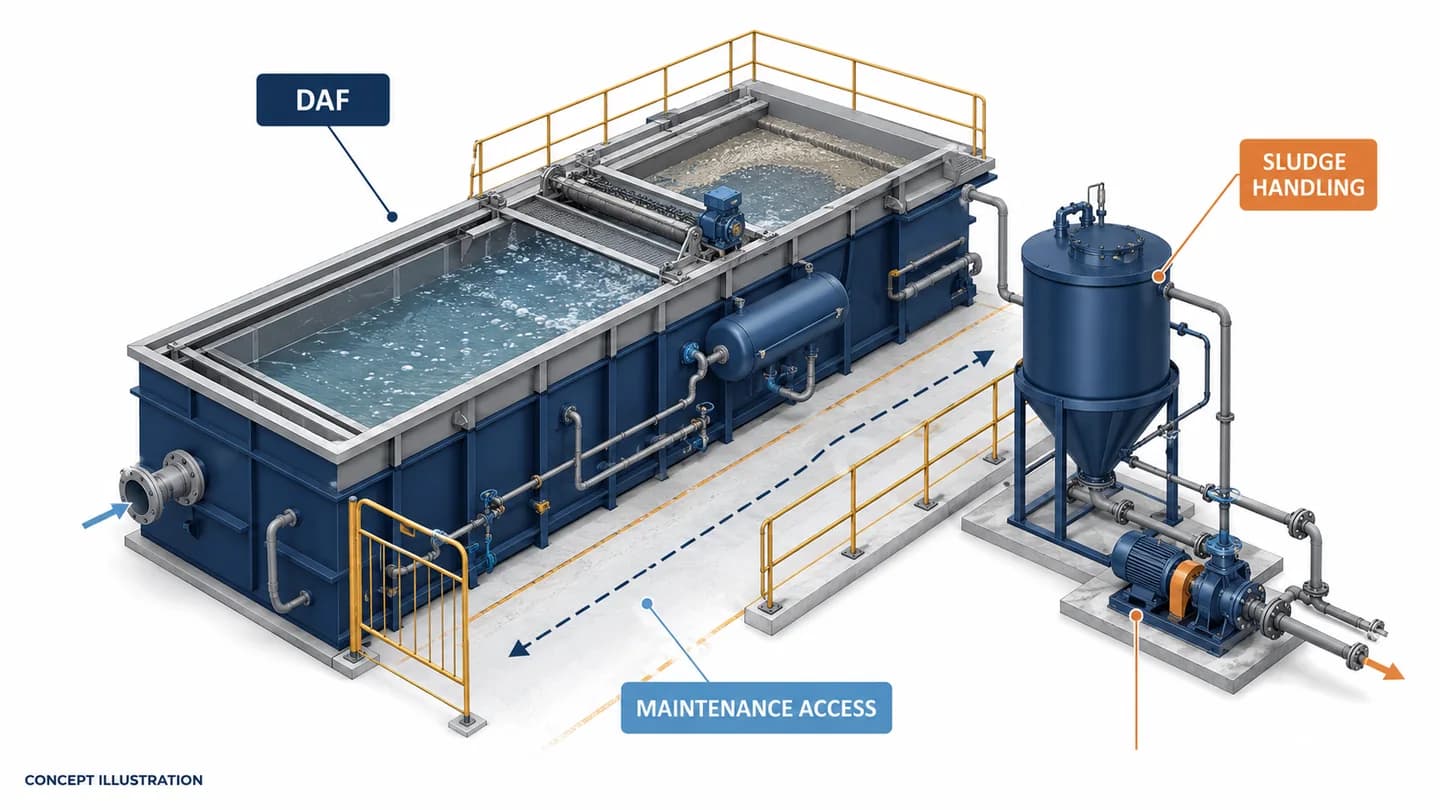
How to Size a DAF System for Industrial Wastewater
Define industrial DAF capacity from flow, solids loading, flotation response, recycle water and sludge handling, with worked examples and acceptance checks.
Electroplating Wastewater Recycling: How to Select a Rinse Water Reuse System
Compare rinse-water reuse options by stream chemistry, production water quality, net recovery and residual management, with practical checks for installation and acceptance.
Hexavalent Chromium Wastewater Treatment: Reduction, Precipitation and System Specification
Specify Cr(VI) treatment from source mapping and controlled reduction through precipitation, solids separation, sludge handling and analytical acceptance.
Fluoride Removal from Industrial Wastewater: How to Compare Precipitation, Adsorption, Ion Exchange and Membranes
Compare bulk fluoride precipitation and polishing options using actual water chemistry, solids behavior, residual management and verified acceptance conditions.