
- Plant owners and facility teams
- Engineering and technical teams
- EPC contractors and project integrators
- Procurement teams evaluating treatment scope
Power plant water systems
Power Generation & Energy Water Treatment Solutions
Water and wastewater treatment systems for power generation, boiler feed water, cooling tower blowdown, FGD wastewater and energy manufacturing.
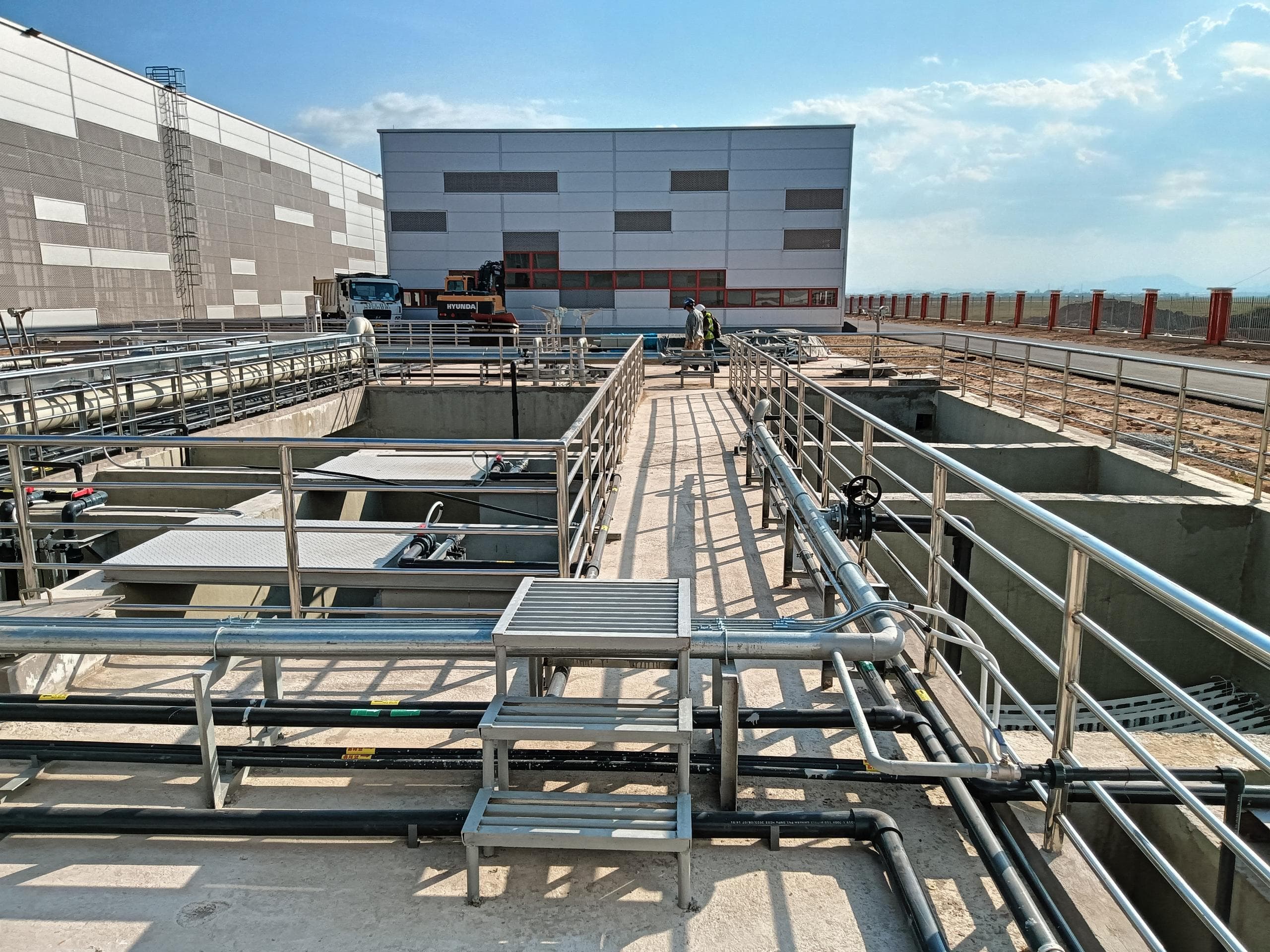
Direct answer
What Usually Defines the Treatment Route?
Power and energy facilities normally require separate treatment objectives for raw-water pretreatment, boiler feed water, cooling systems and wastewater. Treating these streams as one average flow can hide the chemistry and reliability requirements that should drive the equipment selection.
- Power-plant type and project stage
- Raw-water source and analysis
- Boiler or process-water specification
- Boiler feed water
- Cooling blowdown
- FGD wastewater
- Ultrapure Water Systems
- Industrial Water Reuse Systems
- Wastewater Evaporators
Confirm equipment, materials, capacity and performance targets from representative water data, site conditions and the agreed project scope.
Applications covered
Where This Industry Solution Applies.
Use the closest application as a starting point. The treatment route still depends on the actual water source and project target.
Thermal Power Plants
Separate boiler makeup, cooling water and wastewater requirements before selecting treatment equipment.
Biomass Power Plants
Check source-water quality, boiler requirements, ash-related drainage and available residuals handling.
Waste-to-Energy Plants
Map boiler water, cooling streams, floor drainage and any high-salinity or complex wastewater separately.
Boiler Feed Water
Start with the boiler supplier's water specification, raw-water analysis, flow, pressure and redundancy requirements.
Cooling Tower Blowdown
Evaluate conductivity, hardness, silica, treatment chemicals, intended reuse point and concentrate route.
Flue Gas Desulfurization Wastewater
Confirm suspended solids, chloride, sulfate, metals, flow variation and the sludge-disposal interface.
Battery & New Energy Manufacturing
Identify process-specific salts, metals, acids, alkalis and high-TDS streams before combining wastewater.
Buyer-critical conditions
Issues to Resolve Before Equipment Selection.
These conditions influence process reliability, operating workload, footprint and the treatment boundary.
Different water-quality targets
Boiler feed, cooling makeup, utility reuse and wastewater discharge should not be specified as one generic water quality.
Scaling and dissolved salts
Hardness, silica, conductivity and concentration cycles affect pretreatment, membrane recovery and concentrate handling.
FGD and mixed wastewater
Suspended solids, salts, metals and treatment chemicals require a stream-specific physicochemical route.
Water streams & treatment direction
Do Not Design from an Industry Label Alone.
Map the source, contaminants and treatment objective of each important stream before combining flows.
| Water stream | What must be checked | Possible treatment direction |
|---|---|---|
| Raw water and boiler makeup | Turbidity, hardness, silica and dissolved salts | Pretreatment, RO and polishing selected for the boiler specification |
| Cooling tower blowdown | Elevated conductivity, hardness and treatment chemicals | Filtration, softening and membrane reuse evaluation |
| FGD wastewater | Suspended solids, salts and potentially metal-bearing streams | Equalization, chemical treatment, clarification and sludge dewatering |
| Maintenance and floor drainage | Oil, suspended solids and intermittent flow | Segregation and appropriate pretreatment before combined treatment |
| Battery and new-energy manufacturing | Process-dependent salts, metals and complex wastewater | Source segregation and project-specific industrial treatment |
Request a process review
Send the Water Source, Flow and Treatment Target.
Available analysis, stream list and site conditions help identify the questions that must be resolved before the treatment route is selected.
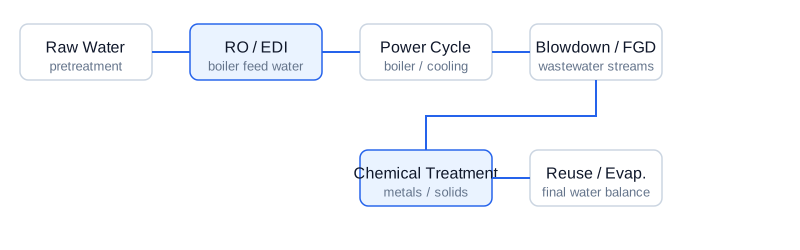
Typical process route
Separate the utility-water and wastewater objectives first
The diagram shows typical building blocks for power-generation water treatment; each stream requires its own confirmed design basis.
Equipment options
Evaluate Each Module Against a Defined Treatment Job.
Match every equipment stage to the actual water, operating conditions, required outlet quality and residuals route.
Raw-water pretreatment
Evaluation focusClarification, filtration or membrane pretreatment selected for source-water variability.
RO and polishing
Evaluation focusProduce the specified boiler or process makeup water after confirming feedwater and target quality.
Cooling blowdown reuse
Evaluation focusEvaluate softening, filtration and membranes against recovery, scaling and concentrate constraints.
FGD wastewater treatment
Evaluation focusUse chemical treatment, solids separation and dewatering according to the measured contaminants.
Sludge management
Evaluation focusDefine thickening, conditioning, dewatering and downstream handling interfaces.
Concentrate reduction
Evaluation focusAssess evaporation or other reduction steps only after technical and commercial feasibility review.
Selection framework
Match the Process to the Condition That Drives the Design.
Compare each project condition against water analysis, operating requirements and the treatment target before selecting the process route.
| Project condition | Evaluate | Possible direction |
|---|---|---|
| High-pressure boiler feed | Boiler supplier specification, silica, conductivity and oxygen requirements | Pretreatment, RO and required polishing stages |
| Cooling-water recovery | Cycles of concentration, hardness, silica and biocide chemistry | Filtration, softening and membrane evaluation |
| FGD wastewater | TSS, chloride, sulfate, metals and discharge target | Chemical precipitation, clarification and dewatering |
| Reduced liquid discharge | Salt balance, utilities, residual disposal and economics | Membrane concentration and evaporation feasibility study |
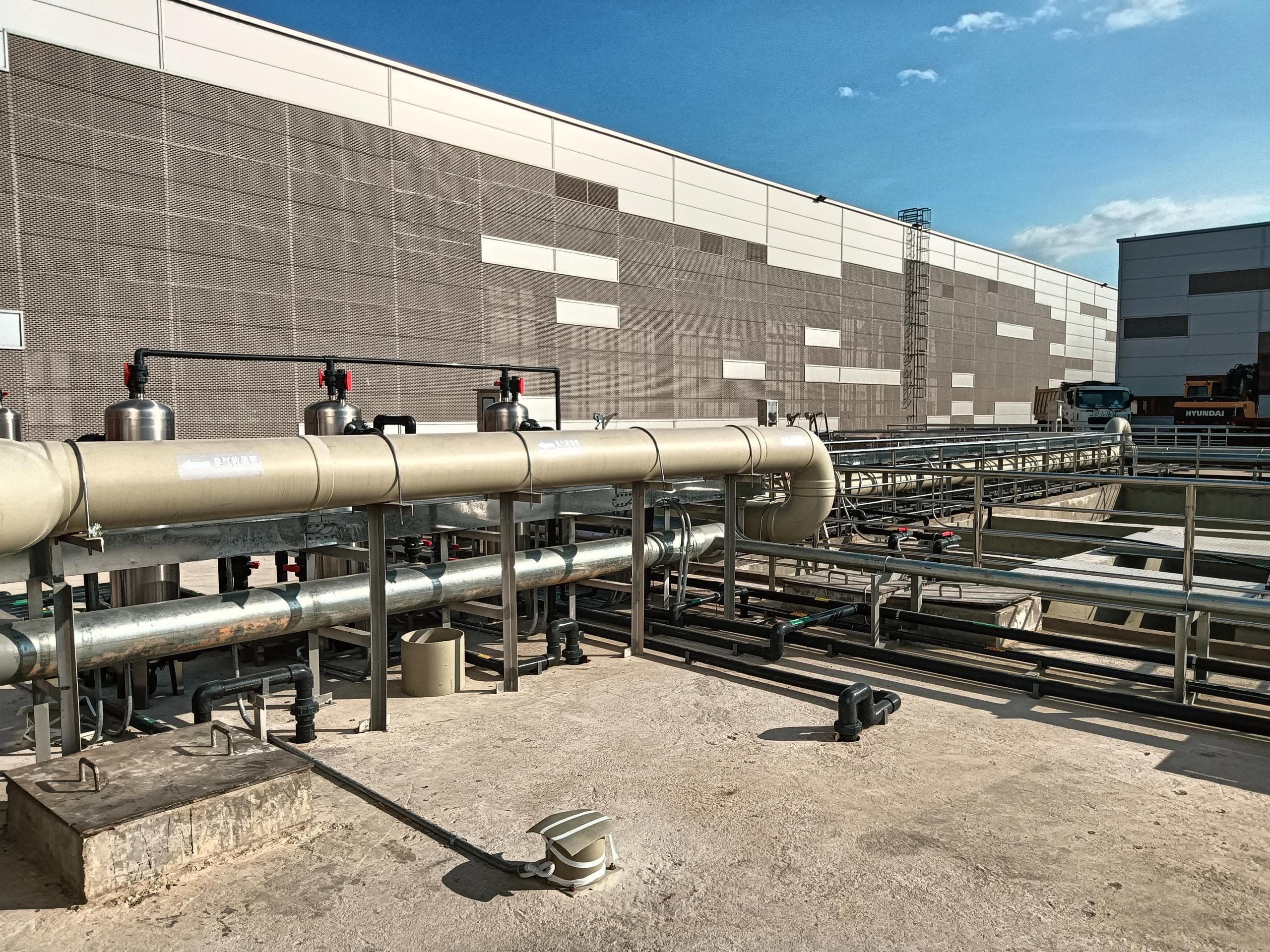
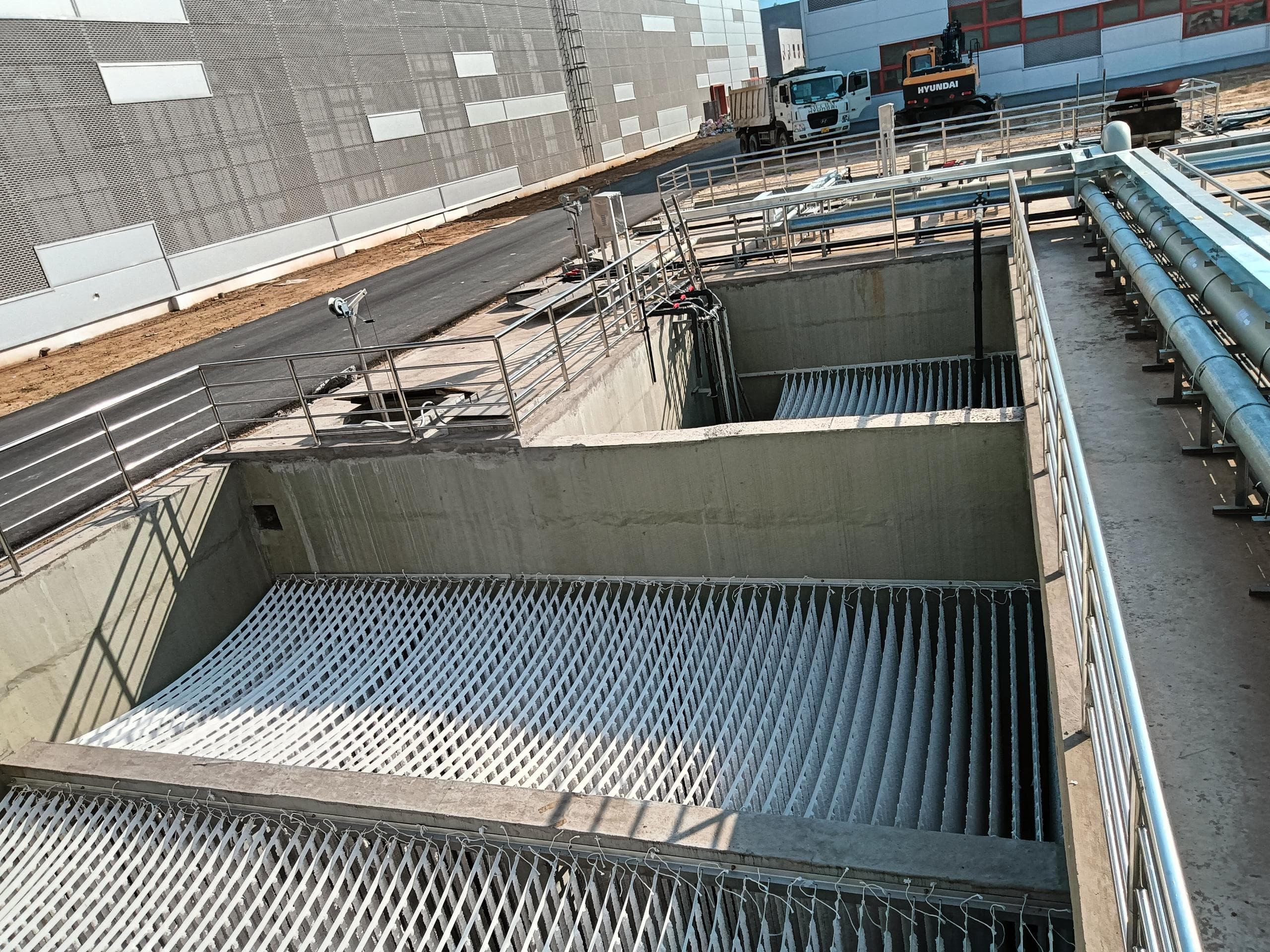
Equipment and layout
Review Equipment Arrangement and Site Access.
Use these views to discuss equipment arrangement, operating access, piping interfaces and the space available for the treatment system.
Prepare a useful RFQ
Provide the Inputs That Change the Design.
Share what is available now. The missing inputs can then be identified before equipment scope, materials and performance targets are confirmed.
Send Project RequirementsPower-plant type and project stage
Raw-water source and analysis
Boiler or process-water specification
Average and peak stream flow
Cooling-water chemistry and recovery target
FGD or wastewater analysis
Utilities, footprint and residual-disposal conditions
Buyer FAQ
Questions to Resolve Before Requesting a Final Quote.
Answers remain conditional where water data, local requirements or project standards determine the result.
What information defines a boiler feed-water system?
The boiler supplier’s water specification, steam pressure, raw-water analysis, required flow, operating profile and redundancy philosophy are key inputs.
Can cooling tower blowdown be reused?
It may be reusable after treatment, but feasibility depends on conductivity, hardness, silica, treatment chemicals, the intended reuse point and the concentrate route.
How is FGD wastewater different from boiler water treatment?
FGD wastewater is a contaminated residual stream that may need physicochemical treatment and solids management, while boiler makeup treatment produces controlled-quality feedwater.
When should evaporation be evaluated?
Only when the salt balance, residual-disposal route, utility availability and project economics justify concentrating the remaining stream.
Plan your industry solution
Turn Your Water Data into a Clear Technical Scope.
Send the stream source, flow, available analysis, treatment objective and site conditions for a project-specific discussion.