
- Plant owners and facility teams
- Engineering and technical teams
- EPC contractors and project integrators
- Procurement teams evaluating treatment scope
Food processing water & wastewater
Food & Beverage Wastewater Treatment Solutions
Customized food and beverage wastewater treatment systems for high-COD effluent, FOG removal, water reuse and sludge management, configured from project data.
Direct answer
What Usually Defines the Treatment Route?
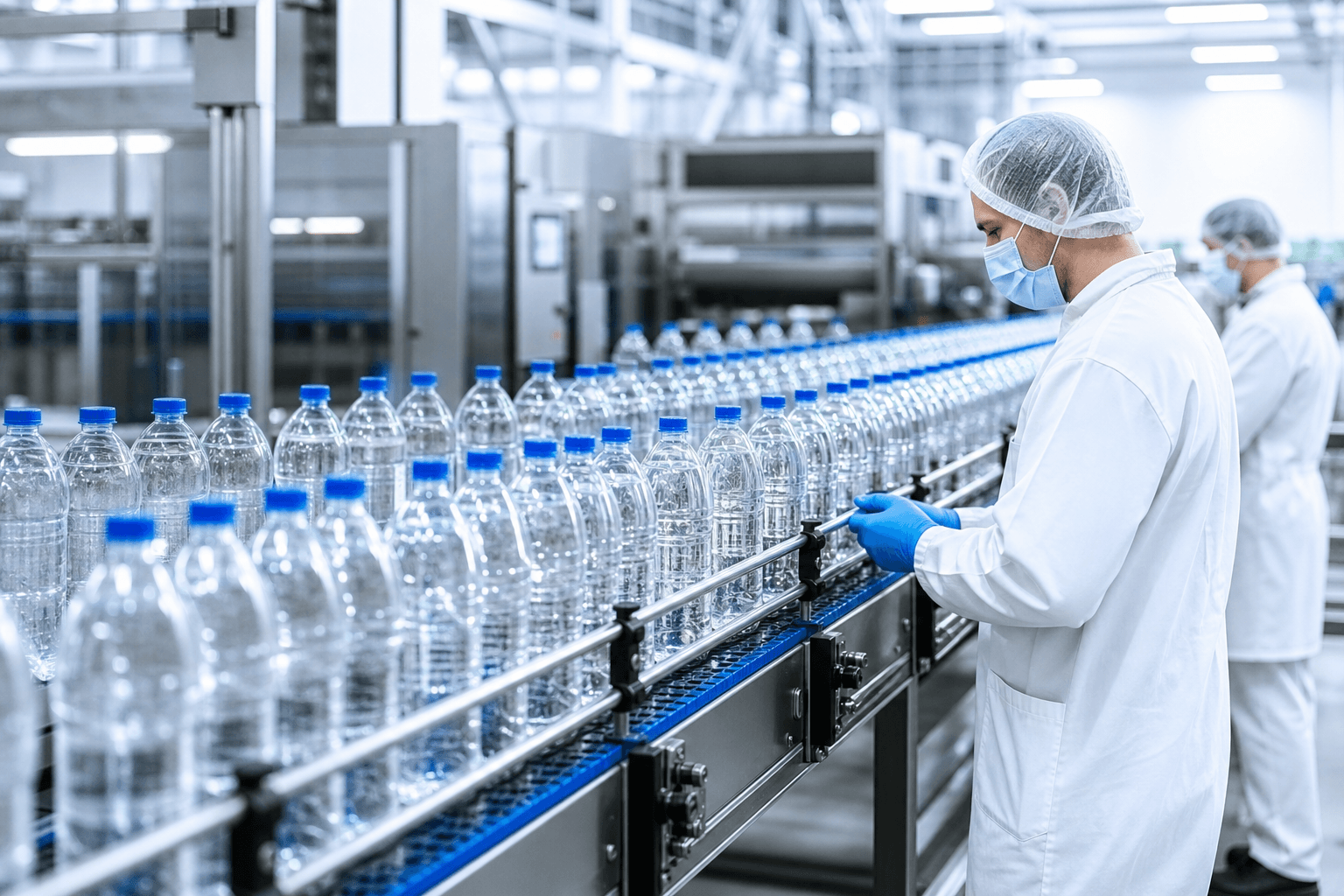
Food and beverage wastewater treatment usually starts with screening, equalization and removal of fats, oils, grease and suspended solids before biological treatment. The final route must be confirmed from representative wastewater data, production cycles, the discharge or reuse target, site constraints and the sludge-handling plan.
- Wastewater source and production process
- Average, peak and batch flow
- Representative water analysis
- High COD & FOG
- Variable production loads
- Reuse evaluation
- Industrial Wastewater Treatment Systems
- Industrial Water Reuse Systems
- Containerized Water Treatment Systems
Confirm equipment, materials, capacity and performance targets from representative water data, site conditions and the agreed project scope.
Applications covered
Where This Industry Solution Applies.
Use the closest application as a starting point. The treatment route still depends on the actual water source and project target.
Food Processing
Review product losses, cleaning wastewater, suspended solids and changes between production shifts.
Beverage Production
Confirm sugar and organic loading, bottle or line washing streams, cleaning chemicals and peak discharge periods.
Dairy Processing
Check milk solids, fats, proteins, cleaning cycles, pH variation and temperature before sizing pretreatment.
Brewery & Distillery
Map high-strength batch discharges, spent solids, cleaning streams and production peaks before biological treatment.
Meat & Poultry Processing
Assess blood, fats, proteins, suspended solids, washdown flow and the required sludge-handling route.
Seafood Processing
Review salinity, proteins, fats, suspended matter, seasonal production and wash-water demand.
Sugar & Starch Processing
Confirm high organic loading, suspended solids, batch variation and the suitability of biological treatment.
Buyer-critical conditions
Issues to Resolve Before Equipment Selection.
These conditions influence process reliability, operating workload, footprint and the treatment boundary.
Changing organic load
Recipes, cleaning cycles, production shifts and seasonal output can change COD, BOD and flow during the day.
FOG and suspended solids
Fats, oils, grease, proteins, fibres and food particles can overload downstream biological treatment if pretreatment is undersized.
Sludge and odor management
The process must account for floated sludge, biological sludge, storage time and practical removal at the site.
Water streams & treatment direction
Do Not Design from an Industry Label Alone.
Map the source, contaminants and treatment objective of each important stream before combining flows.
| Water stream | What must be checked | Possible treatment direction |
|---|---|---|
| Production wash water | Biodegradable organics, suspended solids and flow variation | Screening, equalization and biological treatment after characterization |
| Meat, poultry and seafood streams | FOG, proteins, blood and suspended matter | Screening and DAF can be evaluated before biological treatment |
| Dairy and beverage wastewater | Sugars, proteins, cleaning chemicals and pH variation | Segregation, equalization, pH control and biological treatment |
| Brewery and distillery wastewater | High biodegradable load and batch discharge | Buffering and biological treatment sized around peak loading |
| Sugar and starch processing | High organic load and suspended solids | Solids control followed by anaerobic or aerobic treatment where suitable |
Request a process review
Send the Water Source, Flow and Treatment Target.
Available analysis, stream list and site conditions help identify the questions that must be resolved before the treatment route is selected.
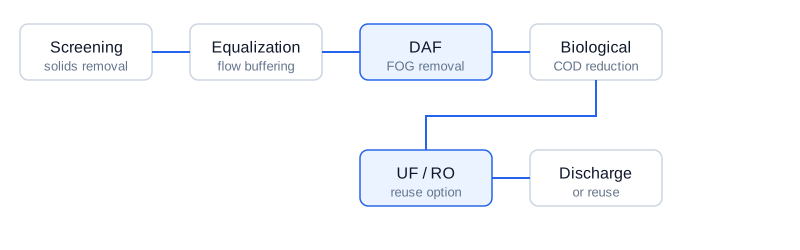
Typical process route
A practical route from solids control to discharge or reuse
Use this route as a starting point, then confirm each stage against representative wastewater data, operating conditions and the required outlet quality.
Equipment options
Evaluate Each Module Against a Defined Treatment Job.
Match every equipment stage to the actual water, operating conditions, required outlet quality and residuals route.
Screening & equalization
Evaluation focusProtect downstream stages and buffer production-driven changes in flow and pollutant loading.
Dissolved air flotation
Evaluation focusRemove floatable FOG and suspended solids when water characteristics and testing support the selection.
Anaerobic or aerobic treatment
Evaluation focusTreat biodegradable organic load through a route selected for loading, temperature, space and operating conditions.
MBR or clarification
Evaluation focusSeparate biomass and prepare effluent for the required downstream objective.
Sludge dewatering
Evaluation focusCoordinate storage, conditioning and dewatering around the sludge actually produced.
UF, RO & disinfection
Evaluation focusEvaluate polishing for defined non-potable reuse requirements and a workable concentrate route.
Selection framework
Match the Process to the Condition That Drives the Design.
Compare each project condition against water analysis, operating requirements and the treatment target before selecting the process route.
| Project condition | Evaluate | Possible direction |
|---|---|---|
| High FOG or suspended solids | Oil and solids concentration, temperature and peak discharge | Screening and DAF before biological treatment |
| High biodegradable COD | BOD/COD relationship, loading pattern and temperature | Anaerobic, aerobic or combined biological treatment |
| Limited footprint | Peak flow, access and operator capability | Compact clarification or membrane-based alternatives |
| Water reuse target | Required reuse quality and concentrate handling | Tertiary filtration, membranes and disinfection as needed |
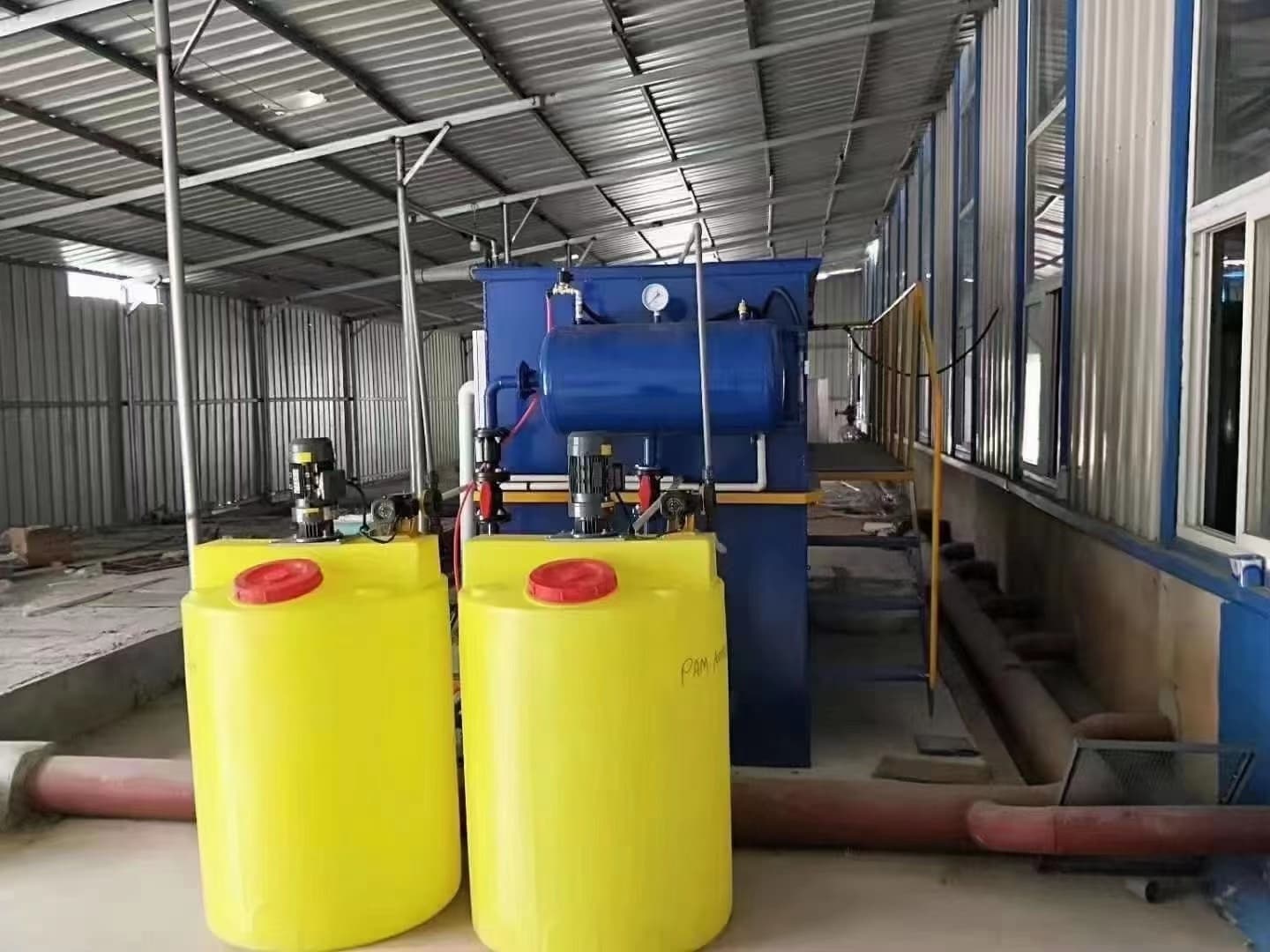
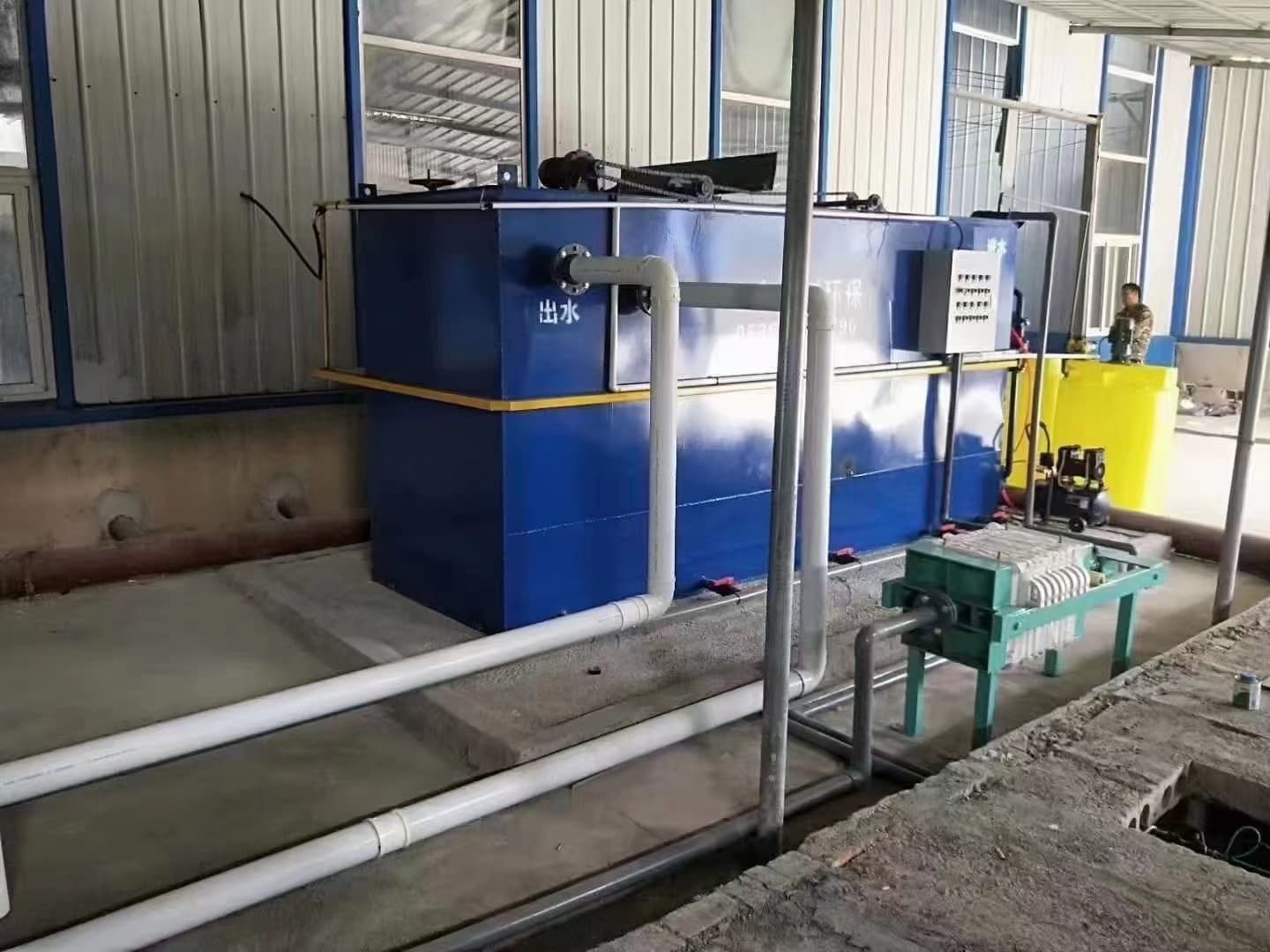
Equipment and layout
Review Equipment Arrangement and Site Access.
Use these views to discuss equipment arrangement, operating access, piping interfaces and the space available for the treatment system.
Prepare a useful RFQ
Provide the Inputs That Change the Design.
Share what is available now. The missing inputs can then be identified before equipment scope, materials and performance targets are confirmed.
Send Project RequirementsWastewater source and production process
Average, peak and batch flow
Representative water analysis
Operating hours and cleaning schedule
Required discharge or reuse target
Available footprint and utilities
Sludge handling and local site constraints
Buyer FAQ
Questions to Resolve Before Requesting a Final Quote.
Answers remain conditional where water data, local requirements or project standards determine the result.
What is the typical treatment process for food processing wastewater?
There is no single best route. Screening, equalization, FOG or solids removal and biological treatment are common building blocks, but the sequence and size depend on the actual water and production pattern.
When should DAF be considered?
DAF can be evaluated when fats, oils, grease or suspended solids would otherwise create an excessive load on biological treatment. Coagulant selection and loading should be confirmed from project data or testing.
Can treated food-industry wastewater be reused?
Potentially, for suitable non-potable uses. The reuse point, required quality, hygiene controls and concentrate or residuals route must be defined before selecting polishing equipment.
What data is needed for a proposal?
Provide the wastewater sources, average and peak flow, analysis, production schedule, target requirement, site constraints and available utilities.
Plan your industry solution
Turn Your Water Data into a Clear Technical Scope.
Send the stream source, flow, available analysis, treatment objective and site conditions for a project-specific discussion.