Introduction
An inquiry such as "we need a wastewater treatment system for plating wastewater" is a useful first step, but it is not yet a complete engineering basis. Industrial wastewater can change by production shift, product mix, cleaning cycle, chemical formulation, and discharge route. A supplier that quotes a complete solution without identifying those variables is necessarily making assumptions.
Some assumptions are acceptable for an early budget discussion. Others affect tank volume, equipment materials, automation, operating cost, residuals handling, and whether a proposed treatment route can meet the intended outlet target. This checklist helps plant engineers and purchasing teams prepare a clearer request for quotation, then compare responses on technical basis and delivery scope rather than on a headline price alone.
Industrial discharge limits and permit conditions can vary by facility, industrial activity, and jurisdiction. The final target should therefore be tied to the customer's discharge route, reuse point, and local requirements rather than a generic statement that a system is "industrial grade." EPA guidance on industrial wastewater is a useful reminder that the applicable requirement must be confirmed for the specific facility.
Why Flow Rate Alone Is Not Enough
Two sites can each generate 50 m3/day of wastewater while requiring very different systems. One may produce a stable rinse stream with modest suspended solids. The other may discharge intermittent high-strength wastewater containing metals, oil, surfactants, fluoride, ammonia, or concentrated cleaning chemicals.
The quoted treatment duty follows the contaminants, their variability, the outlet target, and the site interfaces. It does not follow a single equipment label. A good RFQ gives a supplier enough information to separate four things clearly:
- confirmed customer data;
- design assumptions;
- data that still needs sampling, testing, or clarification; and
- included and excluded supply scope.
The 15 Inputs to Include in Your RFQ
1. Industry and process description
State the industry and the process that generates the wastewater: electroplating, battery production, machining, coating, food processing, chemical blending, semiconductor cleaning, textile dyeing, or another operation. A short process flow or line description gives context that a contaminant list alone cannot provide.
2. Wastewater source points
List individual sources where possible: acidic rinse water, alkaline rinse water, metal-bearing streams, floor wash water, oil-containing water, cleaning wastewater, membrane concentrate, or spent solutions. Mixing all streams into one average number can hide a high-strength side stream that should be handled separately.
3. Average, peak, and batch flow
Provide average daily flow, maximum daily flow, peak hourly flow, batch volume, release frequency, shift pattern, and expected expansion. Four equal batches released in one shift do not behave like a continuous stream with the same daily total. The difference affects equalization, transfer pumps, sequencing, and alarm strategy.
4. Sampling method and sample date
State whether laboratory results came from a grab sample, composite sample, normal production, cleaning cycle, or combined collection pit. Include sample dates. If recipes or loading change during the month, provide more than one representative data set.
5. Current laboratory analysis
Send original laboratory reports where available. The useful parameter list depends on the industry, but may include pH, conductivity, TDS, TSS, COD, BOD, oil and grease, hardness, alkalinity, chlorides, sulfates, fluoride, ammonia, phosphorus, metals, and process-specific chemicals.
6. Contaminants of concern
Highlight substances that create treatment, safety, corrosion, or downstream reuse risk. Examples include chromium, nickel, copper, zinc, cyanide-bearing streams, fluoride, oil emulsions, solvents, high salinity, strong acids, and strong alkalis. The purpose is not to select a process from one substance name; it is to identify what requires further engineering attention.
7. Variability and upset conditions
Describe what changes during operations. Are different chemicals used for different products? Does concentration rise during weekend cleaning? Are there spill risks or intermittent dumping events? A robust proposal should define its normal design range and identify conditions that would require review.
8. Discharge or reuse target
Specify where the treated water will go: municipal sewer, industrial-park collection system, on-site downstream treatment, washdown, cooling-related use, process reuse after polishing, concentration, or another approved route. "Reuse" alone is not a complete target because different uses require different water-quality, monitoring, storage, and reliability planning.
9. Available footprint and access
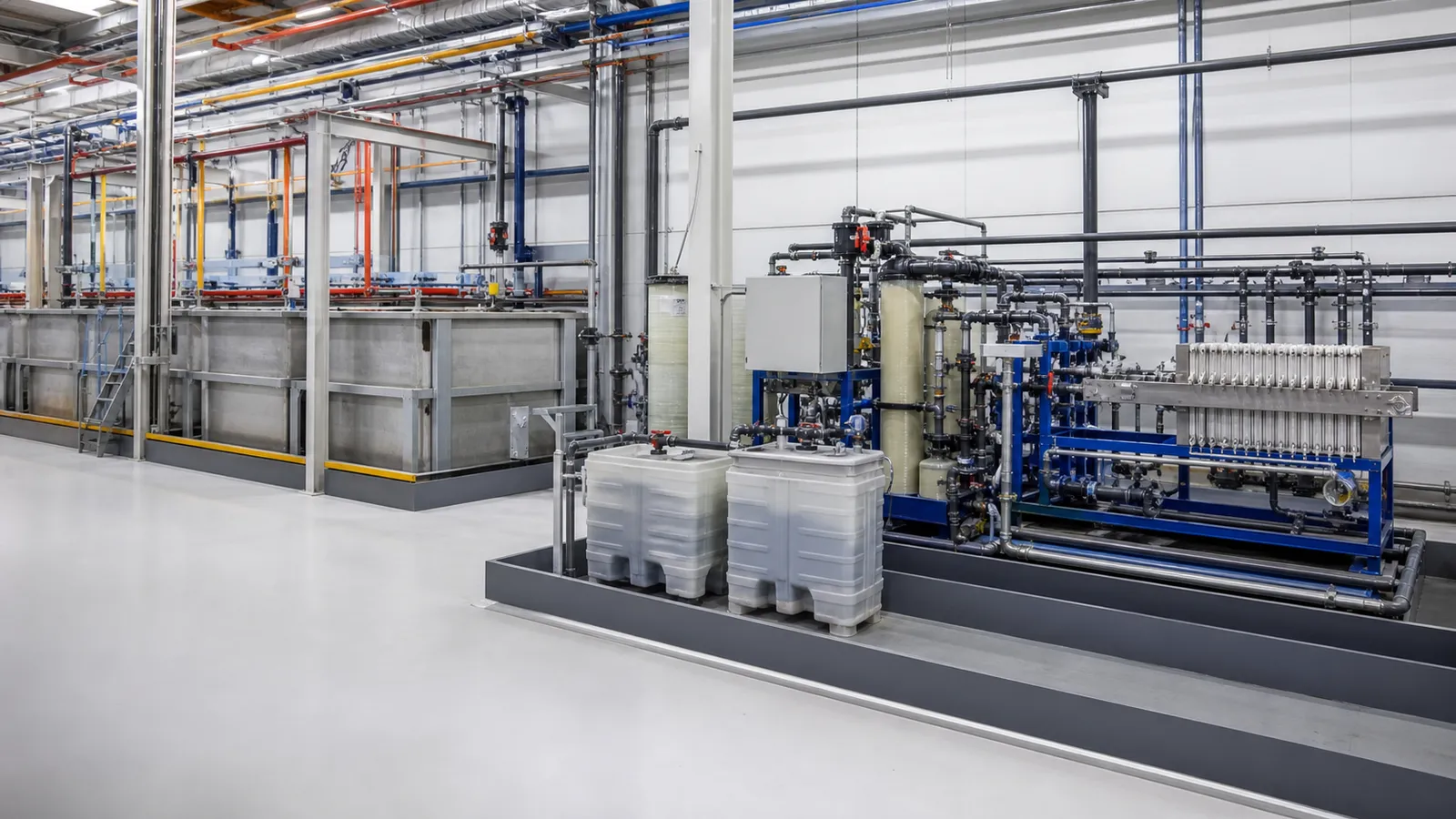
Provide approximate space, ceiling height, floor-loading limitations, doorway size, lifting access, and whether the equipment is indoor, outdoor, rooftop, or inside an existing utility room. Include photos and a basic layout when possible. Space restrictions often affect tank configuration and maintenance access.
10. Utilities available on site
State electrical voltage, frequency, phase, compressed air, steam or thermal source where relevant, cooling water, clean-water supply, drainage, ventilation, and chemical storage conditions. For membrane, reuse, and evaporation projects, utility conditions can materially affect feasibility and operating strategy.
11. Materials of construction
Describe known corrosion concerns, customer standards, operating temperature, outdoor exposure, and cleaning procedures. Material selection should be reviewed against actual chemistry. The proposal should identify key wetted materials instead of assuming that the same material suits every stream.
12. Automation and operator expectations
Clarify whether the project requires manual operation, automatic sequencing, PLC/HMI control, data logging, remote alarms, dosing control, or connection to an existing plant control system. Also state who will operate the equipment. Automation should match operational risk and site capability.
13. Installation and commissioning boundary
Specify whether the request is for equipment only, equipment plus internal skid piping, installation supervision, commissioning support, operator training, or a wider turnkey package. This prevents comparing an equipment-only offer with a proposal that includes site piping, electrical work, civil scope, or field labor.
14. Factory acceptance test and shipment inspection
Ask how the equipment will be verified before shipment. A practical factory acceptance test can include configuration checks, electrical-panel inspection, clean-water functional checks where appropriate, alarm verification, instrument checks, documentation review, and packing inspection. If actual wastewater cannot be used at the factory, the supplier should state what is and is not proven by the test.
15. Commercial and documentation requirements
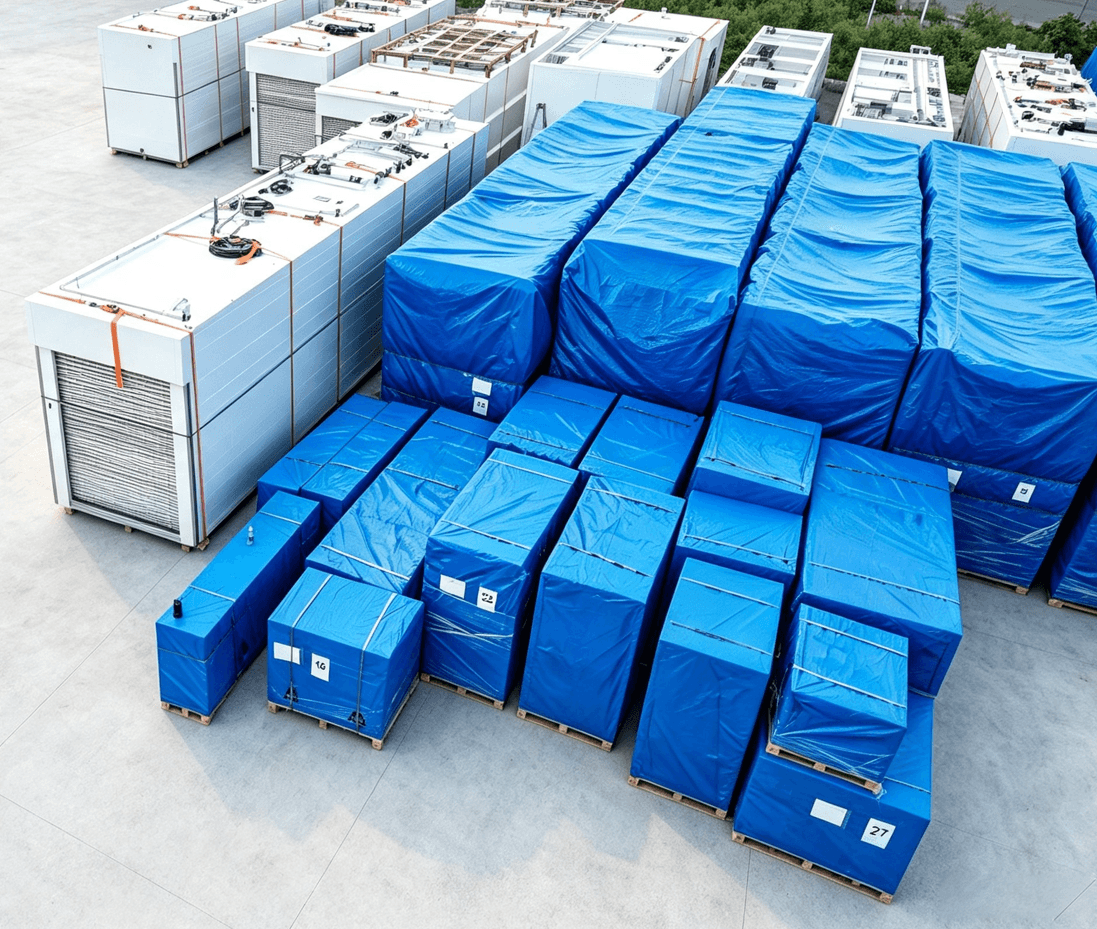
Include destination, requested Incoterm, delivery date, packing standard, import documentation, drawing language, manuals, spare-parts needs, and warranty expectations. For international delivery, transport dimensions, lifting points, preservation, and site interface drawings should be agreed before equipment leaves the factory.
How to Compare Supplier Proposals
First, compare the design basis. Do suppliers use the same flow, influent data, treatment target, and operating hours? A lower quotation may be based on lower loading, smaller tanks, different materials, or excluded installation scope.
Second, compare process logic. The proposal should explain why each major unit is included and what risk it addresses. A process flow diagram is more useful when its assumptions, expected operating window, and residual streams are also described.
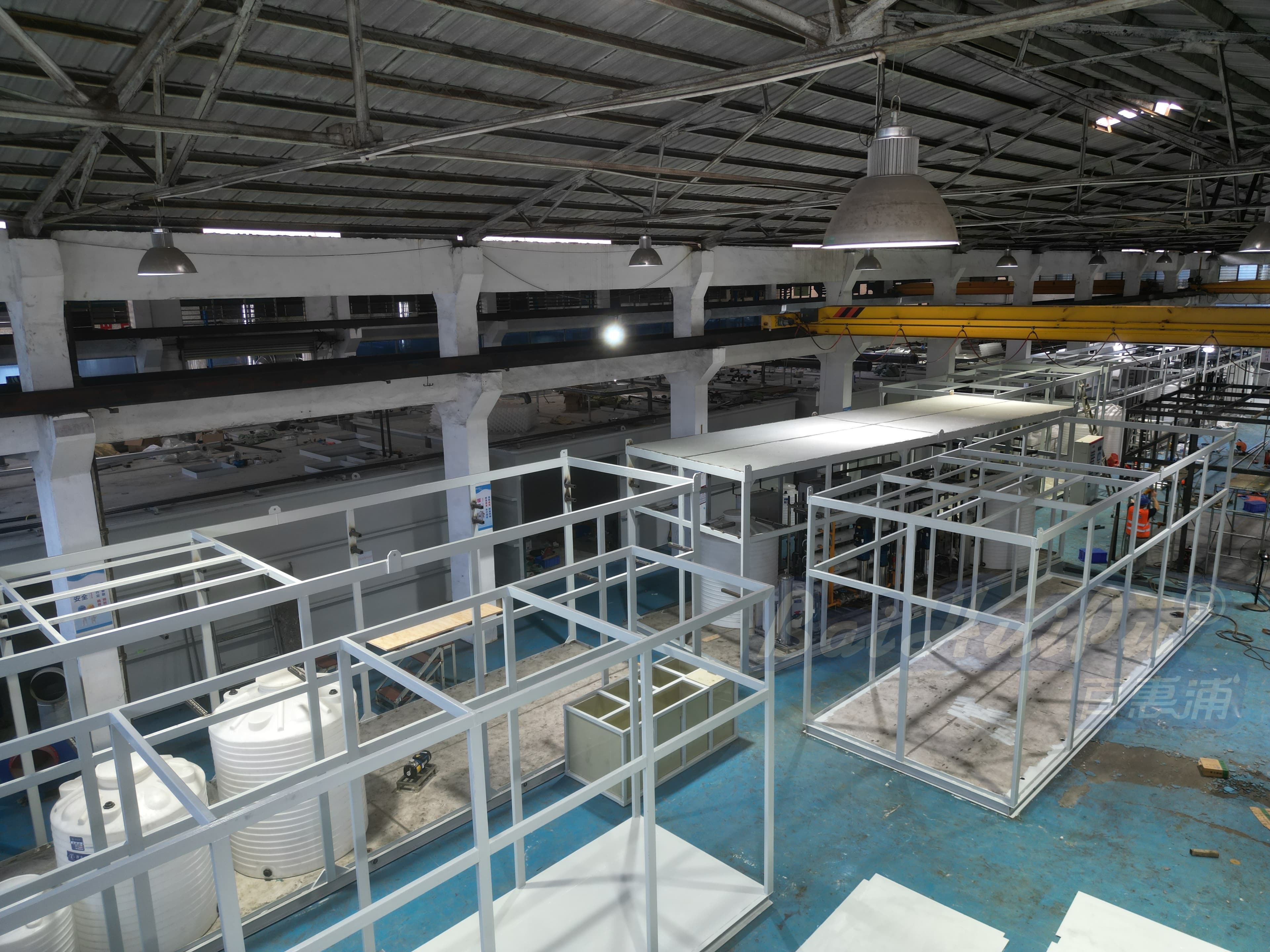
Third, compare delivery evidence. Ask for the scope of drawings, manuals, inspection records, factory testing, shipment inspection, packing, commissioning, and operator support. These items make the route from factory assembly to installation preparation visible.
Prepare for Installation Before Shipment
Installation preparation should begin before the package arrives. Confirm the foundation or support frame, unloading route, lifting plan, utility connection points, drainage route, ventilation, chemical-storage arrangement, and maintenance clearances.
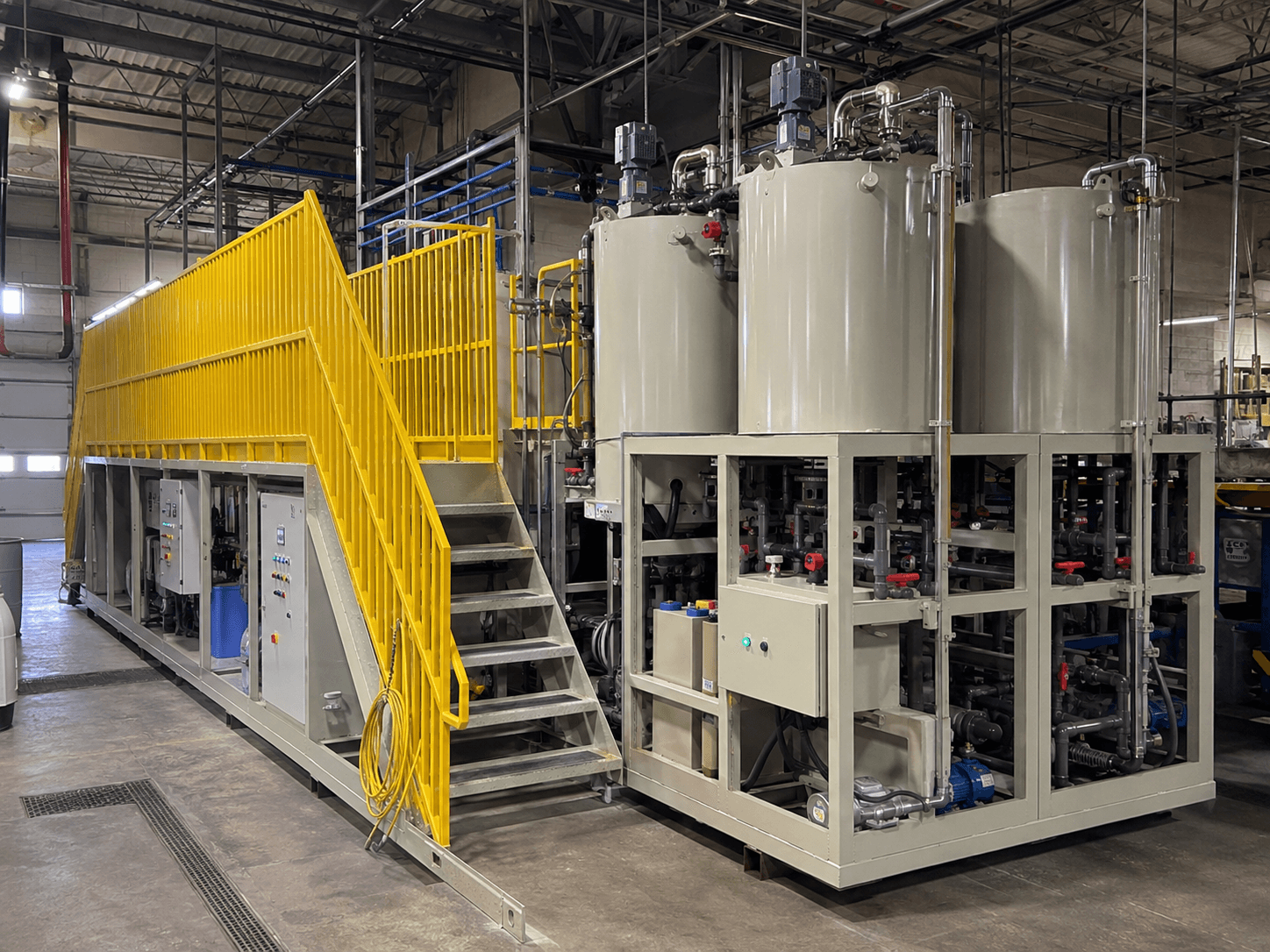
For skid-mounted equipment, check transport dimensions against site doors, corridors, and crane access. For larger systems, identify which frames, tanks, or modules will be delivered separately and how they will be connected. Confirm battery limits: where supplier equipment ends and where site piping, power, drainage, and civil works begin.
Good preparation does not remove every commissioning risk. It does reduce avoidable delays caused by missing utilities, inaccessible locations, or unclear responsibilities.
FAQ
What is the minimum information needed for a preliminary quote?
Provide industry, wastewater source, average and peak flow, available analysis, intended discharge or reuse target, available footprint, and project location. A preliminary estimate may still contain assumptions, which should be visible in the proposal.
Can a supplier quote from one wastewater sample?
An initial concept may be possible, but one sample may not represent normal or peak operation. Projects with batch discharge, changing chemicals, or multiple production lines should provide representative data and explain variability.
Should all wastewater streams be mixed before treatment?
Not always. Separating high-strength, oily, metal-bearing, cyanide-bearing, or concentrated streams can improve safety and make treatment more practical. The correct approach depends on site data and collection arrangements.
What should be included in a factory acceptance test?
The scope should match the equipment. It may include configuration inspection, controls checks, clean-water functional testing, alarm verification, documentation review, and shipment inspection. Process performance with actual wastewater requires a separately agreed test method.
Conclusion
A better wastewater treatment RFQ does not make the project unnecessarily complicated. It makes the technical basis visible. When a customer shares representative data, site conditions, and delivery expectations, suppliers can prepare proposals that are easier to compare and less likely to change unexpectedly later.