Why Complexed Metals Behave Differently
Conventional metals treatment commonly raises pH so dissolved metal ions form insoluble hydroxides. The solids are then enlarged by coagulation or flocculation and removed by clarification, flotation, or filtration. This route can work well when the metals are present mainly as free ions.
A complexing agent changes that behavior by binding the metal and helping it remain in solution. This is useful in electroless plating, cleaning, etching, and printed-circuit-board processes, but it can prevent the wastewater plant from achieving the expected residual metal concentration.
Common complexing chemicals include ammonia, EDTA, citrate, tartrate, phosphates, and proprietary bath additives. Their effects vary with metal type, concentration, pH, competing ions, temperature, and treatment sequence. High ammonia in nickel-bearing wastewater may indicate important nickel-ammonia chemistry, but an ammonia result alone does not quantify how much nickel is complexed.
The U.S. EPA identifies electroless plating, immersion plating, etching, and PCB manufacturing as sources of complexed metal wastes and notes that conventional precipitation may not always succeed on those streams. See the EPA Metal Finishing Development Document. Local discharge requirements and analytical methods still govern each project.
A Real Bench Test on High-Strength Nickel-Bearing Wastewater
One Baihuipu bench-scale chemical treatment and flocculation test evaluated a high-strength acidic nickel-bearing wastewater sample. The recorded sample values were:
| Parameter | Influent sample | Treated sample |
|---|---|---|
| pH | 3 | 9 |
| Nickel | 53,200 mg/L | 0.1 mg/L |
| Ammonia nitrogen | 34,600 mg/L | Not measured after treatment |
| TDS | Not recorded | 4,000 mg/L |
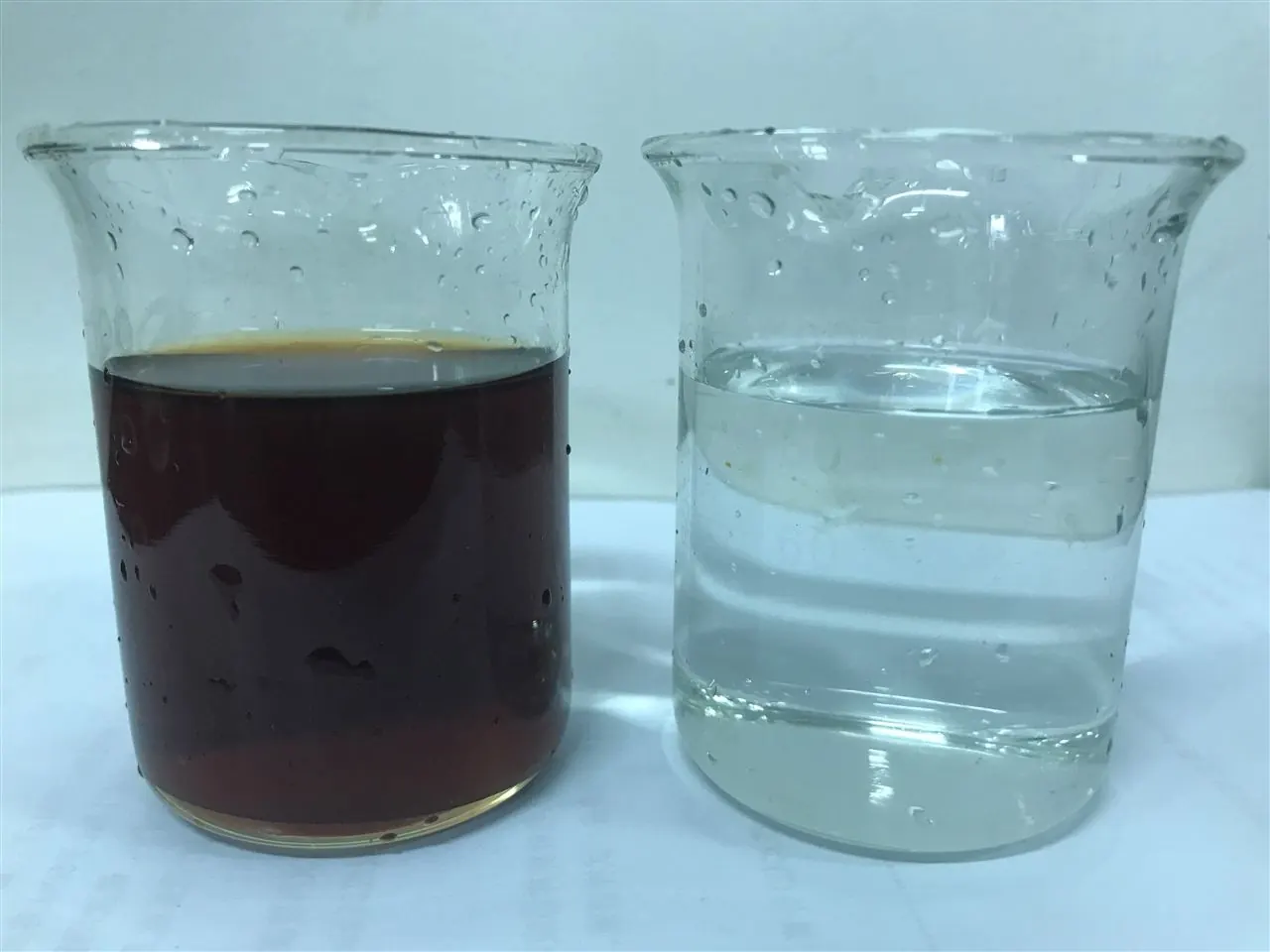
Under the tested conditions, nickel decreased from 53,200 mg/L to 0.1 mg/L. This result applies to this sample and this bench-test condition. It is not a guarantee for another wastewater, a continuous plant, or a different chemical formulation.
The test also demonstrates three important procurement lessons:
- Visual clarity is not the acceptance result. The treated beaker appeared clear, but the nickel result provides the relevant evidence.
- Nickel removal does not prove ammonia removal. No treated-water ammonia result was supplied, so the test must not be described as ammonia-nitrogen treatment.
- Low residual nickel does not mean low dissolved salts. The treated sample still recorded 4,000 mg/L TDS, which may matter for reuse, downstream membranes, or final discharge conditions.
The test is useful evidence of treatability, but full-scale design still requires confirmation of wastewater source, batch frequency, flow, chemical dose, reaction time, sludge production, and repeatability across representative samples.
How to Determine Whether Metals Are Complexed
A single total-metals result cannot diagnose the whole problem. The investigation should combine manufacturing information, analytical data, and controlled treatment tests.
Review the production chemistry
Prepare a stream table showing where the water originates and which chemicals may enter it. Review plating baths, cleaners, degreasers, brighteners, electroless formulations, complexing agents, rinse stages, and bath-dump schedules. If a proprietary product is used, its supplier may still be able to confirm whether it contains complexing chemicals or interferes with precipitation.
Compare total and dissolved metals
Where relevant, test both total and dissolved metals using consistent preparation methods. High dissolved nickel after conventional pH adjustment can indicate complexation, incomplete reaction, an unsuitable pH window, or extremely fine particles passing through the separation step.
Test a range, not one setpoint
A useful treatability study can compare:
- several pH conditions;
- chemical sequence and reaction time;
- alternative precipitation or conditioning chemistries;
- oxidation-reduction conditions where relevant;
- coagulant and flocculant selection;
- settling or flotation behavior;
- filtered treated-water metals;
- sludge volume and dewaterability.
The objective is to identify a stable operating window, not to produce one attractive beaker.
Build the Treatment Route from the Wastewater Sources
1. Segregate difficult and incompatible streams
General rinse water, concentrated bath dumps, ammonia-rich nickel wastewater, chromium-bearing water, cyanide-bearing water, oily wastewater, and relatively clean recovery streams should not be combined before their treatment consequences are understood.
Segregation can reduce chemical demand and prevent one concentrated batch from determining the size and operating cost of the whole plant. EPA pretreatment guidance also describes separate treatment paths for chromium, cyanide, complexed metals, oil, and common metals. See the EPA Electroplating and Metal Finishing Pretreatment Guidance.
Cyanide-bearing wastewater requires a dedicated safety and treatment review. It must not be casually mixed with acidic water because hazardous gas generation may occur.
2. Equalize the planned flow
Equalization should follow the actual release schedule, including batch dumps and production peaks. Record average flow, maximum hourly flow, individual batch volume, discharge duration, shift pattern, and abnormal-water holding requirements.
A concentrated waste may require separate batch treatment or controlled metering rather than direct release to the main equalization tank.
3. Condition or weaken the complex where required
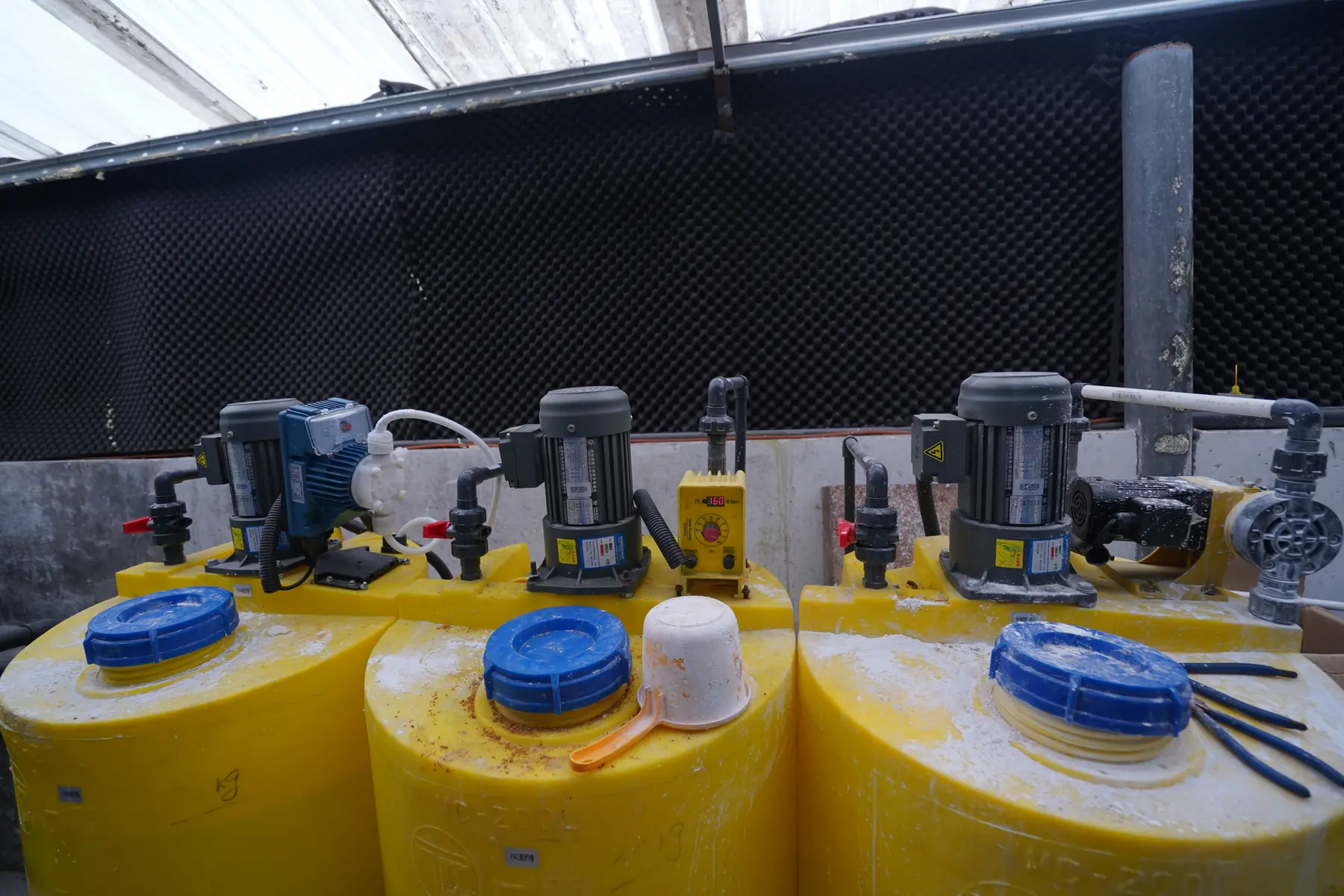
Possible approaches include controlled high- or low-pH conditioning, iron-assisted treatment, oxidation or reduction, sulfide precipitation, or specialized metal precipitants. These options are not interchangeable, and chemical dosing cannot be selected safely from a generic formula.
Oxidation may weaken some organic complexes, but effectiveness and chemical demand depend on the wastewater matrix. Sulfide precipitation can provide low metal solubility in selected applications, but requires careful pH, ventilation, dosing, and gas-safety controls. EPA reviews have discussed segregation, high-pH treatment, sulfide precipitation, iron-based treatment, and chelate-breaking approaches for complexed metal wastes. See the EPA Effluent Guidelines Review.
4. Precipitate and build separable solids
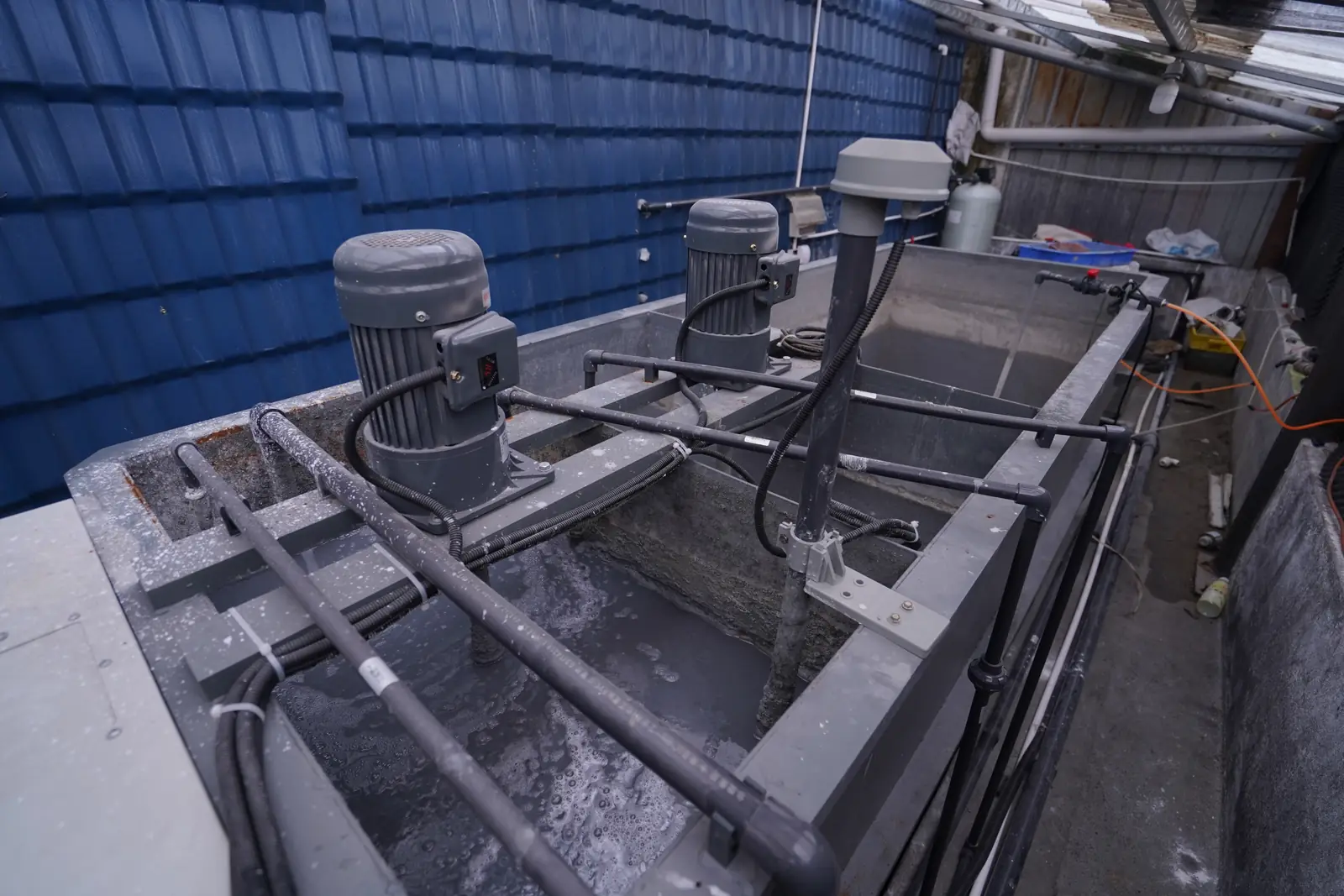
After the metal becomes available for precipitation, the process must control pH, dose, mixing energy, reaction time, and oxidation-reduction conditions where applicable. Mixed metals may require staged treatment if one operating range cannot meet every residual target.
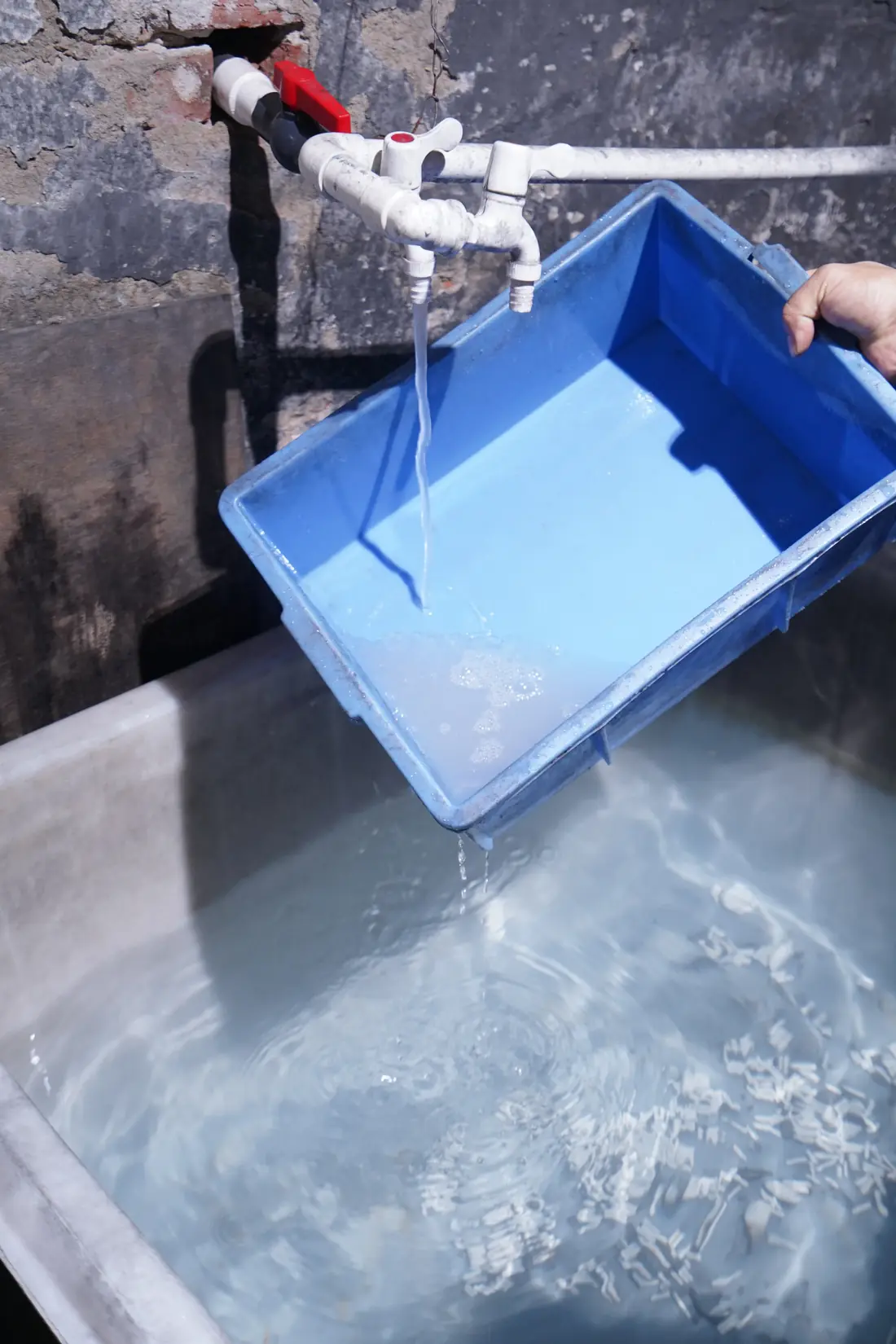
Coagulation and flocculation then help fine precipitates form particles suitable for separation. More polymer is not automatically better: overdosing can create fragile or sticky sludge and increase carryover.
5. Separate solids and plan polishing
Clarifiers, lamella settlers, dissolved-air flotation, or filtration may be used according to floc behavior, hydraulic loading, oil, footprint, and required clarity. Separation equipment cannot correct incomplete chemical reaction: a filter captures particles, not necessarily dissolved metal complexes.
When a very low residual target or a reuse application is confirmed, a polishing stage may use selective ion exchange, adsorption, membrane filtration, or additional precipitation and filtration. It should be sized on the expected post-treatment water, including competing ions and residual organics.
6. Dewater and account for sludge
Metal removal transfers contaminants into sludge. Estimate dry solids, reagent contribution, sludge concentration, filterability, cake moisture, storage, filtrate return, and the legally permitted destination. A filter press may be appropriate, but its cycle time and plate area should follow tested sludge behavior rather than an assumed cake volume.
What Buyers Should Put in the RFQ
Provide the following before requesting a final process guarantee:
- source and purpose of every wastewater stream;
- average, peak, and batch flow;
- sampling point, date, and production condition;
- total and dissolved metals where relevant;
- ammonia, EDTA, citrate, cyanide, chromium species, or other known process chemicals;
- pH, COD or TOC, suspended solids, conductivity, and TDS;
- actual discharge or reuse target and analytical method;
- available footprint, utilities, ventilation, and chemical-storage conditions;
- sludge handling and disposal boundary;
- required automation, factory testing, commissioning, and acceptance method.
“Nickel wastewater, 20 cubic metres per day” is not a complete design basis. Two streams with the same nickel concentration can behave very differently if one contains free nickel and the other contains stable ammonia or EDTA complexes.
From Bench Test to Full-Scale Acceptance
Scale-up should separate four types of verification.
- Bench treatability: verifies the chemical sequence and residual metals for representative samples.
- Factory acceptance: checks equipment identity, pumps, mixers, dosing systems, instruments, control logic, alarms, and clean-water functions within the agreed scope.
- Site commissioning: verifies installation, utilities, flow, chemical preparation, automatic sequences, and safe operation with actual wastewater.
- Performance acceptance: tests representative influent within a written flow and composition envelope using agreed sampling points and analytical methods.
The acceptance document should not convert a single bench-test value into an unrestricted full-scale guarantee. It should define influent limits, operating hours, sample frequency, required chemicals, excluded abnormal batches, and responsibilities when feed conditions fall outside the design basis.
Factory and shipment inspection can confirm labels, dimensions, component configuration, capped pipe openings, protected instruments, loose-part records, and packing. They cannot prove residual nickel without representative process testing.
Common Procurement Mistakes
- Calling every nickel stream chelated: ammonia or process chemistry may suggest complexation, but testing should establish the actual treatment response.
- Combining every drain for convenience: this can increase chemical demand and hide concentrated or incompatible streams.
- Using clarity as proof of compliance: dissolved nickel requires analytical confirmation.
- Ignoring ammonia and TDS: successful nickel removal does not automatically resolve other outlet or reuse constraints.
- Selecting equipment before treatability work: larger tanks cannot compensate for the wrong chemistry.
- Leaving sludge outside the scope: reagent choice, sludge volume, filtrate, and disposal can change lifecycle cost.
- Accepting an undefined guarantee: performance must be tied to a stated influent and operating envelope.
FAQ
Does high ammonia prove that nickel is complexed?
No. High ammonia can strongly influence nickel speciation and precipitation behavior, but ammonia nitrogen alone does not quantify the complexed fraction. Review the process chemistry and confirm treatment response through representative testing.
Can ammonia-complexed nickel be removed by raising pH?
Sometimes partial or substantial removal may occur, but the result depends on ammonia concentration, nickel concentration, competing ligands, pH, and treatment sequence. A pH test series followed by dissolved-nickel analysis is more reliable than a theoretical setpoint.
Did the reported test remove ammonia nitrogen?
The available test data do not establish that. Influent ammonia nitrogen was recorded at 34,600 mg/L, but no treated-water ammonia result was provided. The result therefore supports a nickel-removal statement only.
Is 0.1 mg/L nickel a guaranteed full-scale outlet?
No. It is the recorded result for one bench-scale sample under the tested conditions. Full-scale acceptance requires representative feed conditions, repeat testing, controlled operation, and an agreed analytical protocol.
Can reverse osmosis remove the remaining dissolved salts?
RO may be evaluated for a defined reuse objective, but the 4,000 mg/L treated-water TDS, scaling constituents, residual organics, membrane compatibility, recovery, and concentrate route must all be reviewed. RO does not eliminate the need for concentrate management.
Is a jar test enough to buy the full system?
It is strong early evidence, not the whole design. Hydraulic variation, mixing, chemical-feed accuracy, solids separation, sludge dewatering, instrumentation, and abnormal batches must also be addressed.
Conclusion
Chelated or ammonia-influenced nickel wastewater is not simply a clarification problem. A reliable project starts by identifying the source chemistry and keeping difficult streams visible. Representative analysis and bench testing then establish whether conditioning, complex-breaking, precipitation, flocculation, separation, and polishing are required.
The reported bench test provides useful first-hand evidence: an acidic high-strength sample containing 53,200 mg/L nickel was treated to a recorded residual nickel concentration of 0.1 mg/L under the tested conditions. It also shows why claims must remain precise. The result does not prove ammonia removal, low TDS, continuous-system performance, or compliance in another jurisdiction.
For procurement, the safest approach is to convert the tested chemistry into a written design basis, equipment scope, residuals plan, and performance-acceptance protocol.
Send Your Requirements
Send your wastewater source description, representative analysis, flow data, production-chemical list, discharge or reuse target, site constraints, and destination country. Baihuipu can review the information required for testing and a project-specific industrial wastewater treatment proposal.
Related resources: