Introduction
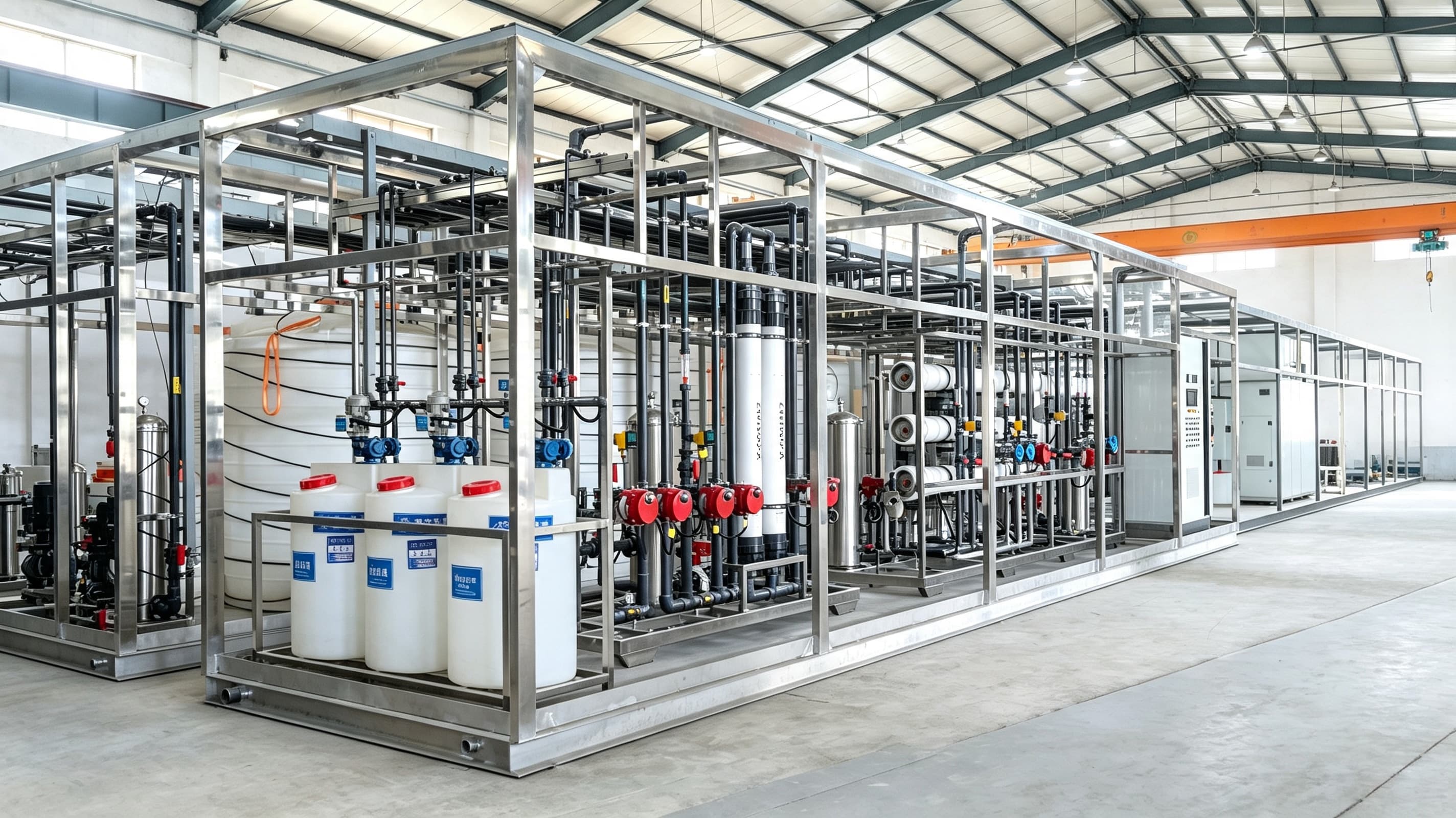
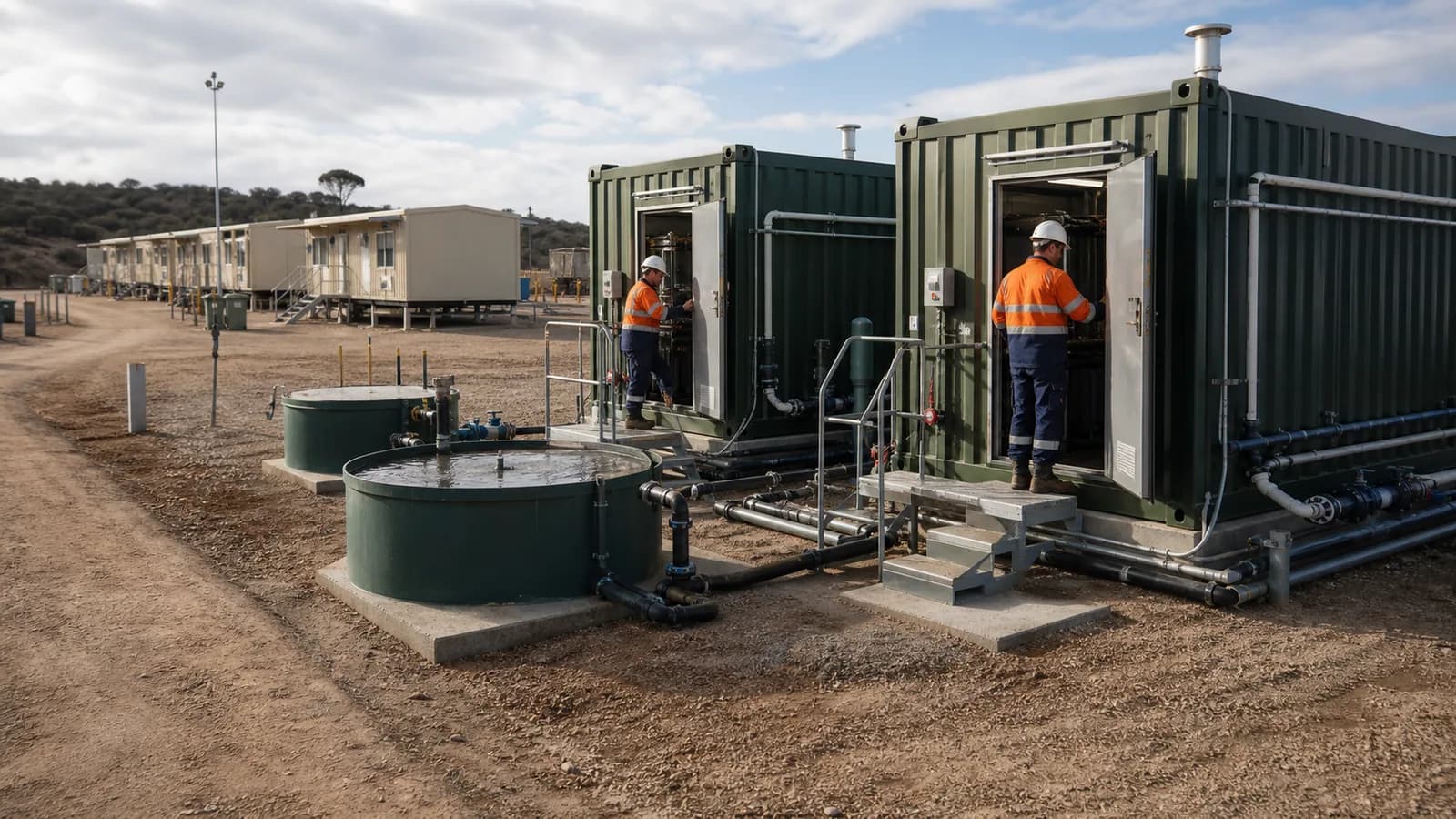
A containerized sewage treatment plant is a delivery format, not a treatment process. The container or modular enclosure can simplify transport and site assembly, but it does not determine whether the biological process should be MBR, MBBR, SBR or another configuration.
This guide is written for buyers planning systems for hotels, resorts, residential compounds, worker camps, schools, hospitals, commercial buildings and remote facilities. It explains how to compare treatment roles, define a containerized scope and avoid the gaps that commonly appear between an equipment quotation and a functioning site.
Why “Containerized” Does Not Mean “Plug and Play”
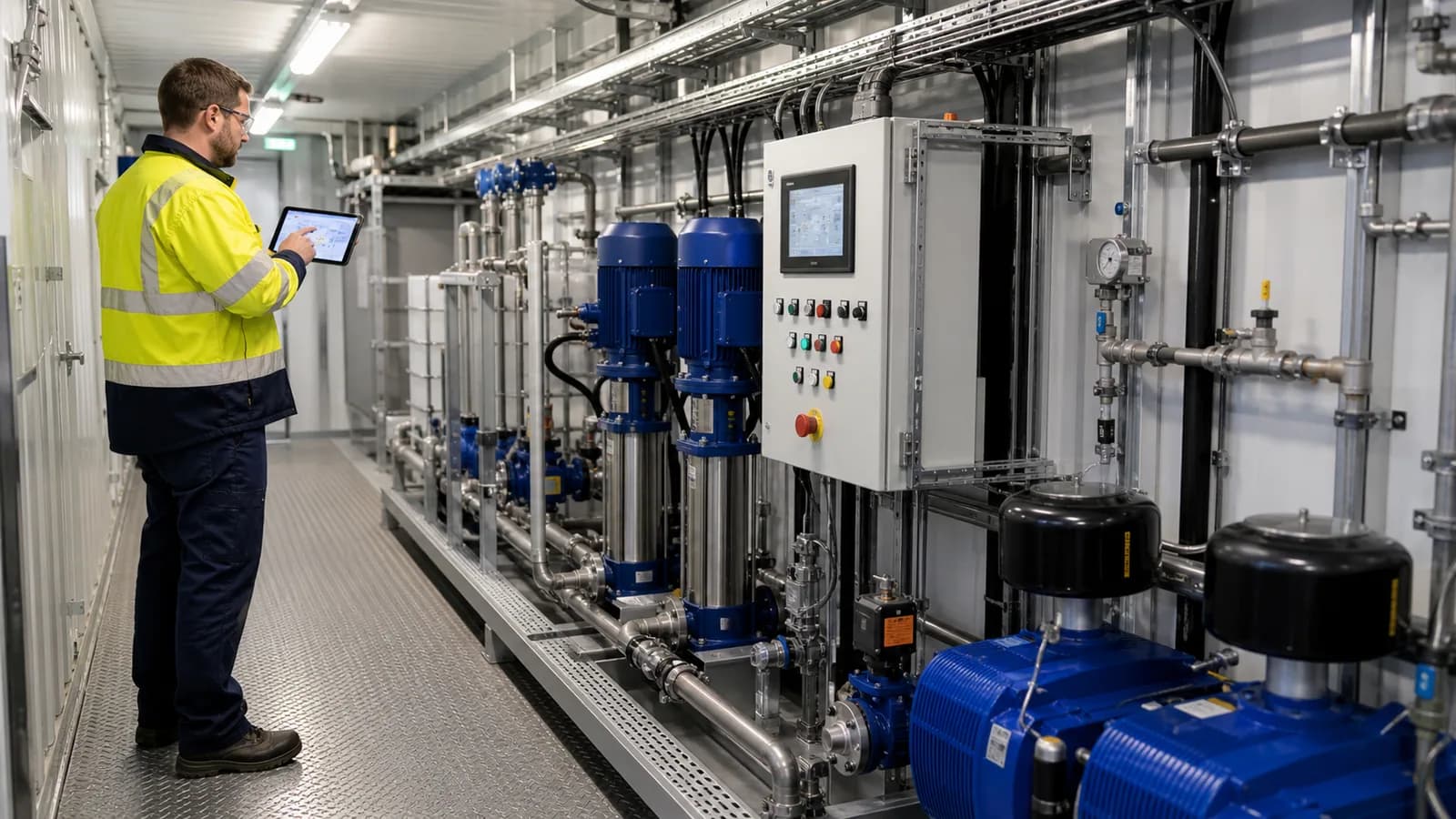
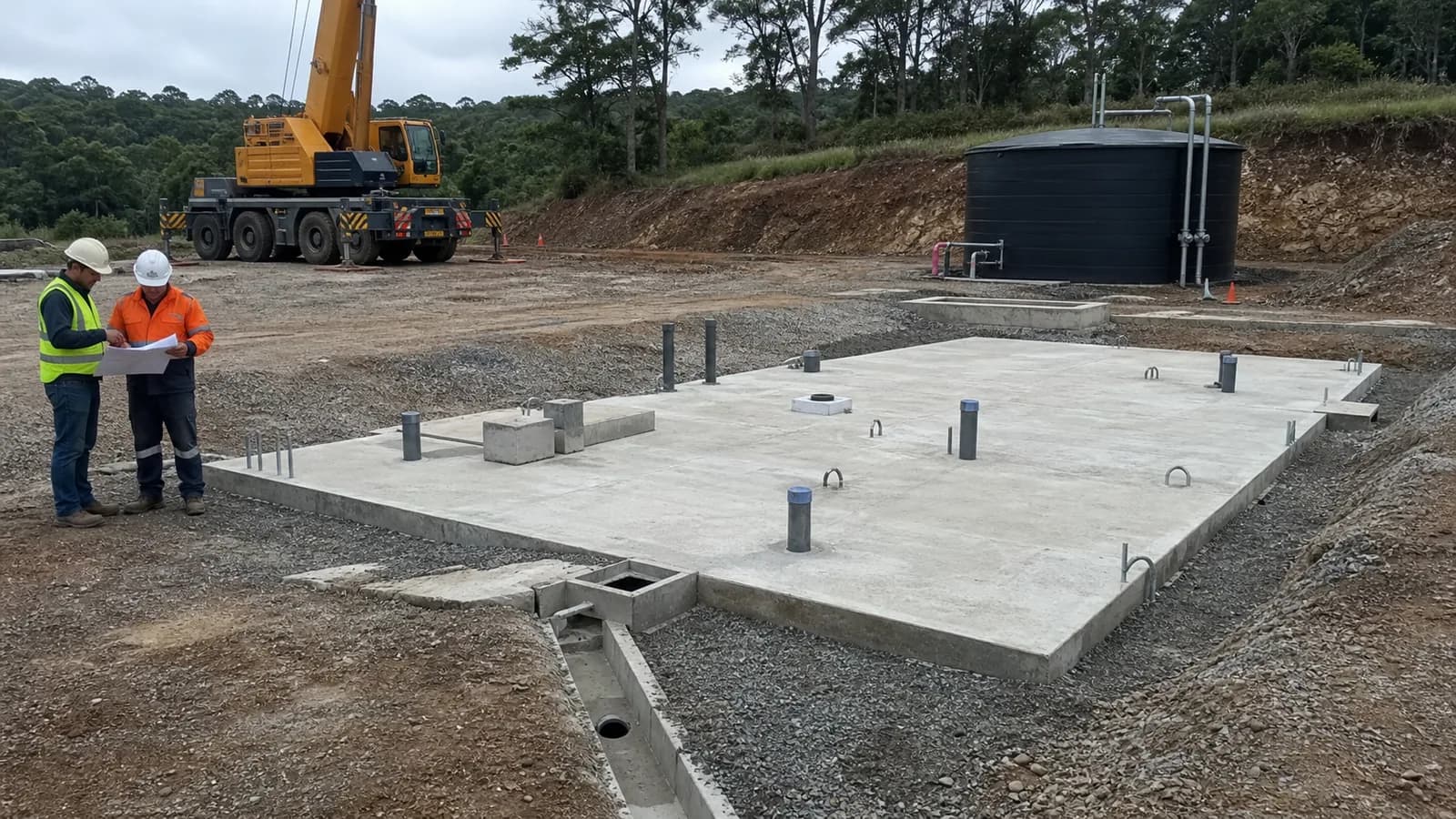
A packaged module can arrive with tanks, pumps, blowers, membranes, media, piping and controls assembled. The project still needs influent collection, screening, equalization, foundations, interconnecting pipes, power, ventilation, treated-water destination, sludge removal and commissioning.
The phrase “plug and play” can hide important site work. A responsible proposal should identify:
- what arrives inside each module;
- which tanks are integral and which are built on site;
- the inlet and outlet battery limits;
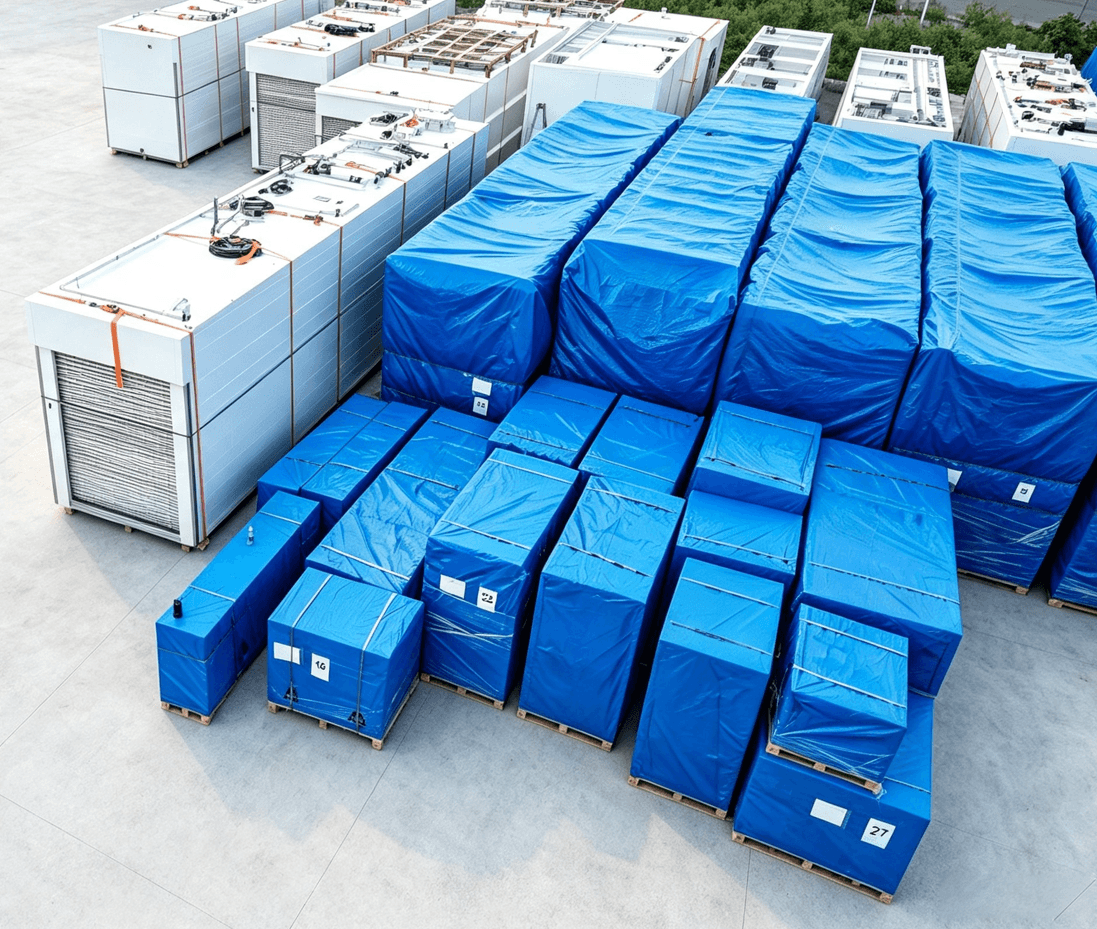
- maximum module shipping dimensions and weights;
- lifting and access requirements;
- how modules are connected;
- who provides influent pumping, drainage and outfall;
- who supplies disinfection, reuse storage and pressure boosting;
- where screenings and waste sludge go;
- what must be completed before the supplier’s commissioning support begins.
The U.S. EPA describes decentralized wastewater systems as onsite or clustered systems serving a small community or service area. Their success depends not only on the treatment technology but also on management, maintenance and responsible operation. That lesson applies directly to containerized plants at commercial and remote sites.
Start With the Real Occupancy and Wastewater Pattern
Average flow is not enough
A hotel may have low weekday occupancy and high weekend peaks. A worker camp may fill rapidly during construction and reduce occupancy after project completion. A school has strong hourly peaks and long idle periods. A remote industrial site may receive kitchen, laundry and accommodation wastewater in the same collection system.
The design basis should include:
- current, opening-year and future population;
- residents, day visitors and staff by shift;
- water consumption records or justified planning assumptions;
- hourly peak factors and batch discharges;
- seasonal occupancy and shutdown periods;
- kitchen, laundry, clinic or commercial contributions;
- stormwater and groundwater exclusion;
- septic-tank or grease-trap interfaces;
- tanker discharge, if any.
Do not use a per-person flow figure without documenting its source and what activities it includes. Water-saving fixtures, climate, laundry operations and local habits can materially change both flow and concentration.
Influent quality and abnormal streams
Representative testing should cover pH, BOD, COD, TSS, ammonia, total nitrogen, phosphorus, oil and grease, temperature and any locally regulated parameters. If a hospital or clinic is included, identify laboratory chemicals, disinfectants and pharmaceutical waste-management practices rather than assuming that every drain belongs in the biological plant.
Kitchen grease, food solids, wipes, sand and cleaning chemicals can cause mechanical and biological problems. The source-control plan should specify screens, grease interceptors and prohibited discharges. A compact biological module cannot compensate for uncontrolled solids and chemicals entering the sewer.
Define the Effluent Destination Before Choosing the Process
“Treated water” is not a complete target. State whether the outlet will be:
- discharged to a municipal sewer;
- discharged to surface water under a permit;
- infiltrated or dispersed where legally allowed;
- reused for toilet flushing;
- reused for landscaping;
- supplied to cooling or another non-potable utility after additional treatment;
- stored and transported elsewhere.
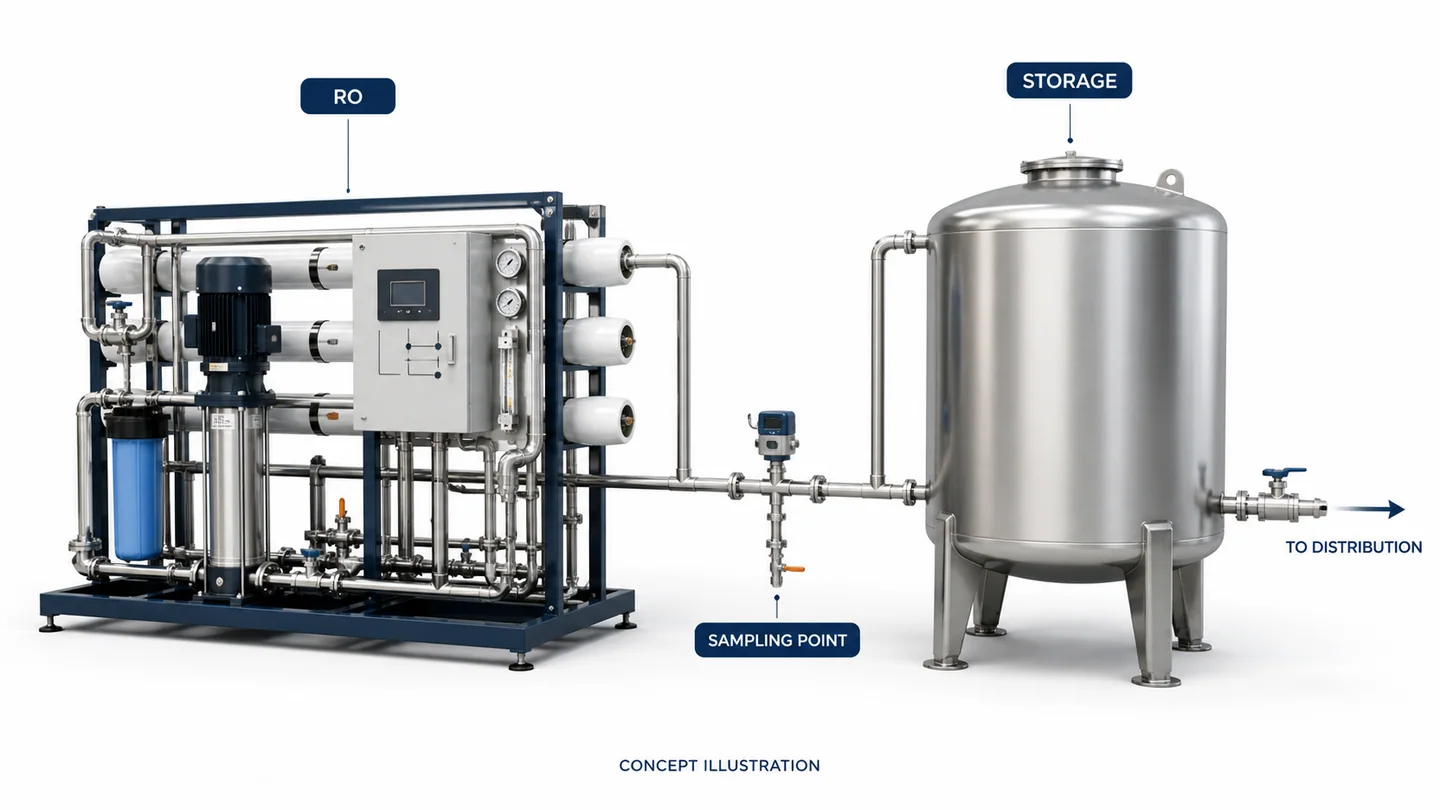
For each destination, provide the numerical limits, monitoring method, sampling point and any disinfection requirement. Reuse targets may require additional barriers beyond the biological process, such as filtration, disinfection or other polishing. Local regulations and risk assessment control the answer.
The process supplier should not label water “reusable” without naming the intended application and quality criteria. Likewise, membrane-treated effluent is not automatically potable water.
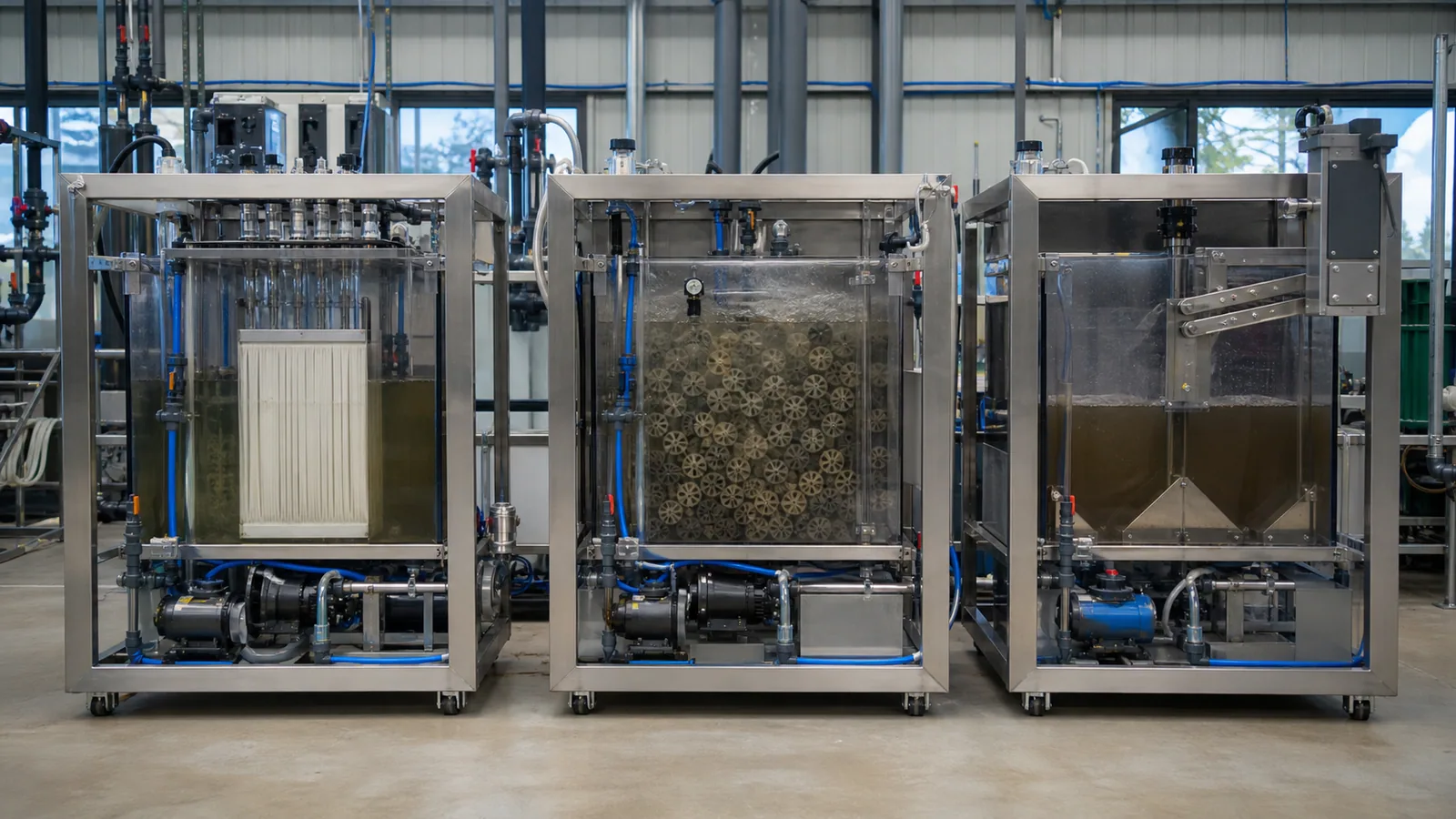
How MBR, MBBR and SBR Differ
Membrane bioreactor (MBR)
An MBR combines suspended-growth biological treatment with membrane filtration for solids separation. The membrane replaces the conventional final clarifier for this role. EPA’s MBR fact sheet notes that the technology can operate in a relatively small space and can provide strong removal of suspended solids and microorganisms when appropriately designed and operated.
For containerized projects, MBR is often evaluated when:
- footprint is restricted;
- low-turbidity effluent is important;
- reuse polishing will follow;
- variable hydraulic conditions can be adequately equalized;
- the operator can manage membrane cleaning and monitoring.
The tradeoffs include membrane aeration energy, screening requirements, fouling control, periodic cleaning, replacement planning and sensitivity to inappropriate chemicals or grease. The proposal should state membrane type, design flux, operating and recovery cleaning strategy, critical spare parts and how peak flow is buffered.
Moving bed biofilm reactor (MBBR)
MBBR uses plastic carrier media that move in an aerated reactor and support attached biofilm. Media-retention screens keep the carriers in the tank. The biological stage still needs a downstream method to separate suspended solids, which may be clarification, flotation, filtration or a membrane stage depending on the effluent target.
MBBR is often evaluated when:
- attached growth is useful for load variation;
- an existing biological tank needs additional capacity;
- the project favors a process without membrane separation in the main biological stage;
- operators can manage aeration, media retention and downstream solids separation.
Important proposal details include media fill fraction, protected surface-area basis, reactor loading, oxygen demand, mixing, retention screens, clarifier or solids-separation design and sludge return or wasting arrangements where applicable. A quotation that lists only a reactor volume and carrier percentage does not explain the complete process.
Sequencing batch reactor (SBR)
An SBR performs fill, react, settle and decant functions in timed cycles. Biological treatment and clarification occur in the same basin at different times. Multiple basins or upstream storage may be required to accept continuous inflow while another basin settles or decants.
SBR is often evaluated when:
- batch operation fits the site flow pattern;
- the control sequence can be supported reliably;
- equalization and peak inflow are properly managed;
- settling performance can meet the effluent target;
- the operator can monitor cycles, sludge age and decanter operation.
The proposal should define cycle phases, number of basins, inflow strategy, aeration and mixing sequence, decanter design, peak-flow response and sludge wasting. If one basin is out of service, the buyer should understand what treatment capacity remains.
Side-by-Side Buyer Comparison
| Decision factor | MBR | MBBR | SBR |
|---|---|---|---|
| Final solids separation | Membrane filtration | Separate clarification or filtration is normally required | Settling and decanting in the batch basin |
| Footprint | Often compact, subject to equalization and ancillary equipment | Biological reactor can be compact; downstream separation adds space | Can combine reaction and settling, but storage or multiple basins may be needed |
| Effluent turbidity | Typically low when membranes and upstream process are healthy | Depends strongly on downstream separation | Depends on settling and decant performance |
| Main operational focus | Fouling, cleaning, air scour and membrane integrity | Media movement, retention screens, aeration and solids separation | Cycle control, settling, decanter and peak-flow management |
| Reuse readiness | Strong biological/solids barrier, but reuse-specific polishing and disinfection may still be required | Additional filtration may be needed | Additional filtration may be needed |
| Response to variable occupancy | Requires equalization and biology management | Biofilm can support resilience, but load and oxygen limits still apply | Cycle and storage logic must accommodate variability |
This comparison shows treatment roles, not guaranteed performance. Actual results depend on influent, design loading, temperature, process configuration, operation and the defined outlet criteria.
Do Not Forget Pretreatment and Equalization
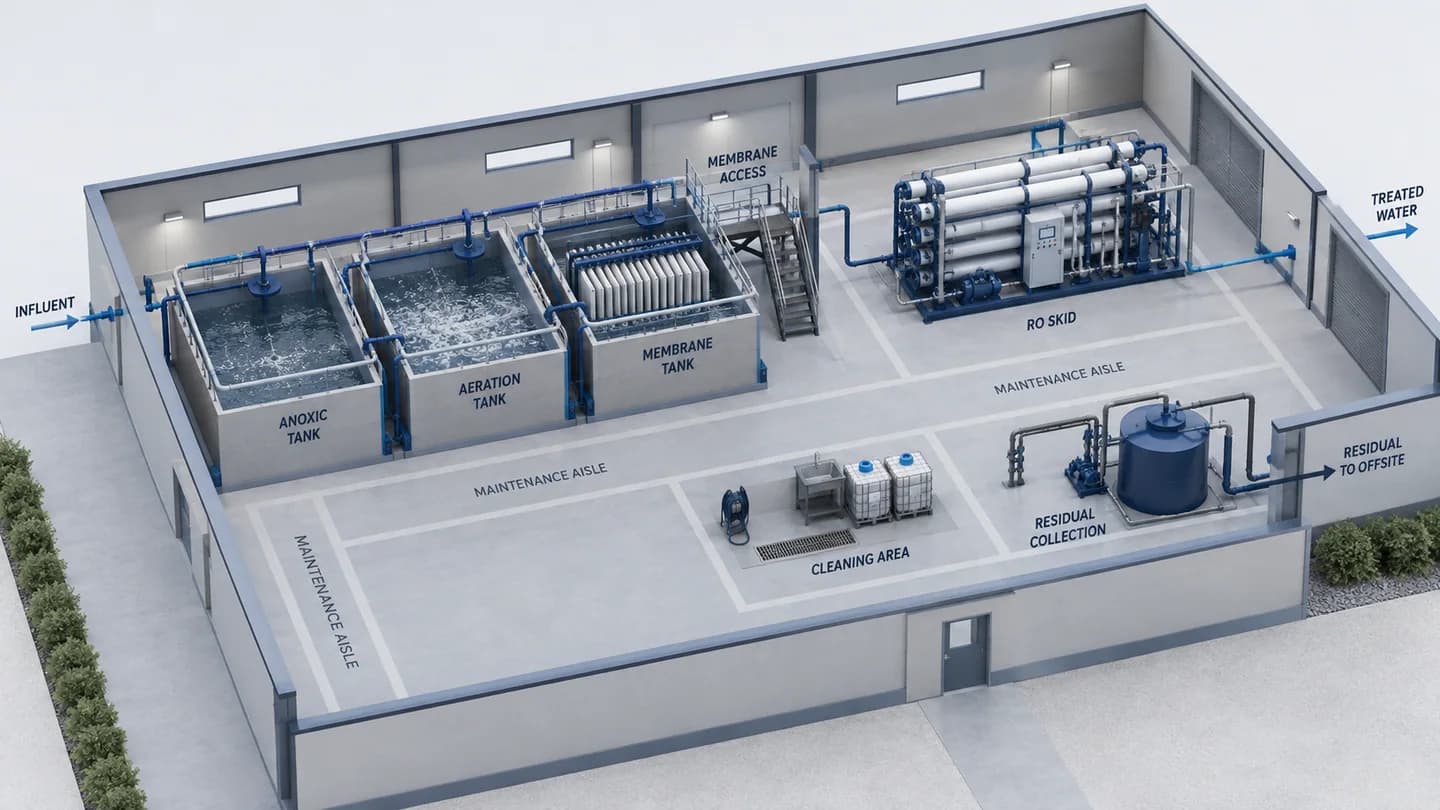
For all three processes, pretreatment protects the biological system and downstream equipment. A typical review may include coarse and fine screening, grease control, grit removal and equalization. The exact steps depend on the wastewater sources.
Equalization has several jobs:
- dampening hourly flow peaks;
- reducing concentration shocks;
- receiving wastewater while an SBR is settling;
- feeding an MBR below its sustainable hydraulic rate;
- mixing variable kitchen, laundry and sanitary contributions;
- providing controlled transfer during temporary downstream interruptions.
The tank needs usable volume, mixing, odor and ventilation review, level control, overflow protection and access for cleaning. Quoted tank volume should be separated from freeboard and unusable volume.
Nutrient Removal, Disinfection and Reuse
If ammonia or total nitrogen limits apply, the process must provide suitable aerobic and anoxic conditions, alkalinity, carbon balance, temperature allowance and internal recycle where required. Phosphorus control may be biological, chemical or combined. Do not assume that a generic “MBR,” “MBBR” or “SBR” label proves nutrient compliance.
Disinfection is selected from the outlet destination, permit and storage system. Chlorination, ultraviolet treatment or other methods each have feed-quality and operational requirements. Reuse storage can create its own microbial and residual-control issues.
A proposal for landscaping or toilet-flushing reuse should identify:
- the treatment and disinfection barriers;
- storage and distribution scope;
- cross-connection protection;
- residual or UV monitoring;
- user-contact restrictions;
- local approval responsibility.
Sludge and Residuals Are Part of the Plant
Biological treatment generates waste sludge. Screening creates solid waste, and membrane or filter cleaning creates wash water. The project must define sludge holding, thickening or dewatering, truck access, disposal frequency and the lawful destination.
Small remote plants often fail commercially because sludge removal was treated as an afterthought. The buyer should request an estimated sludge-production basis and identify which values will be confirmed during commissioning. Avoid accepting a promise of “no sludge” for a biological sewage process.
Controls, Redundancy and Remote Operation
Automation should support the operator, not hide an incomplete operating plan. Useful functions may include flow pacing, dissolved-oxygen control, blower duty rotation, pump alternation, level protection, high-pressure or membrane alarms, cycle control, chemical dosing interlocks and remote alarm reporting.
Ask what happens when:
- one blower stops;
- a feed pump fails;
- the site loses power;
- occupancy falls for several weeks;
- peak flow exceeds the normal design rate;
- a membrane train is cleaned;
- a level instrument gives a false signal;
- the remote connection is unavailable.
The answers determine the required standby equipment, storage and manual operating procedures.
Mid-article CTA
Comparing MBR, MBBR and SBR proposals? Send the occupancy schedule, wastewater sources, flow basis, discharge or reuse limits, site layout and operator plan. Baihuipu can organize the missing design inputs before the containerized scope is finalized. Send Your Requirements
Factory Testing and Shipment Inspection
Factory testing
Before shipment, factory testing can verify module assembly and functional logic. The test plan may cover:
- tank and piping leak checks;
- pump, blower and mixer rotation;
- valve and instrument operation;
- alarm, interlock and duty/standby simulation;
- MBR air-scour and clean-in-place logic where included;
- SBR sequence simulation;
- panel communication and remote-alarm tests;
- identification, drawings, manuals and spare parts.
Clean-water factory testing cannot establish biological effluent quality because the biomass, sewage and site conditions are not present. Site commissioning and a defined stabilization period are required before performance acceptance.
Shipment inspection
Shipment inspection should confirm module dimensions, lifting points, protected nozzles, media or membrane restraint, loose-part inventory, electrical-panel protection and packing suitable for the route. If a standard shipping container is used as the equipment enclosure, ventilation, corrosion protection, drainage and maintenance clearances still need review.
Installation and Commissioning Preparation
Prepare foundations, influent and outlet pipes, bypass policy, power, ventilation, drainage, potable service water, chemicals, seed sludge where planned, laboratory access and sludge-removal arrangements before startup.
Commissioning should distinguish:
- mechanical completion;
- clean-water checks;
- biomass seeding or development;
- controlled loading;
- process stabilization;
- performance testing at the agreed condition;
- operator training and handover.
A fixed number of commissioning days is not credible without considering temperature, seed source, loading pattern and biological response.
RFQ Checklist for a Containerized Sewage Treatment Plant
Include the following:
- Site type and wastewater-source list.
- Population by category and occupancy schedule.
- Average, peak-hour and maximum-day flows.
- Representative influent analysis.
- Applicable discharge or reuse limits.
- Temperature and climate range.
- Footprint, elevation and geotechnical constraints.
- Electrical power, water and communication availability.
- Sludge and screenings disposal route.
- Operator staffing and skill level.
- Required redundancy and future expansion.
- Delivery route, module-size restrictions and crane access.
- Required documentation, factory test and site acceptance procedure.
- Clear scope boundaries for civil works and external tanks.
FAQ
Is MBR always better than MBBR for a containerized plant?
No. MBR can provide compact solids separation and low-turbidity effluent, but it requires membrane operation and cleaning. MBBR may suit projects that prefer attached growth and a separate solids-removal stage. The outlet target and operator model decide the comparison.
Is SBR suitable for hotels with variable occupancy?
It can be, provided the equalization volume, cycle logic, minimum loading and peak-flow strategy are designed for the occupancy pattern. The supplier should explain operation during low season and sudden occupancy increases.
Can containerized treated sewage be reused for irrigation?
Potentially, after the complete treatment and disinfection train meets the applicable reuse requirements. The project must define salinity, pathogens, nutrients, storage and local restrictions. A containerized format alone does not establish reuse suitability.
How much space is required?
Do not count the equipment container only. Include equalization, sludge storage, chemical area, access, ventilation, external tanks, treated-water storage, pipe corridors and maintenance clearance.
Does a biological package plant produce sludge?
Yes. Biological growth and captured solids create residuals that need wasting, storage and disposal. Quantity varies with influent and process operation.
What can be proven during factory testing?
Factory testing can verify equipment, leaks, rotation, controls, alarms and sequences. Biological treatment performance must be evaluated at site under defined sewage and operating conditions.
What should the performance guarantee state?
It should identify influent and temperature ranges, hydraulic and organic loading, required outlet parameters, sampling method, stabilization period, operating responsibilities and exclusions for prohibited discharges.
Conclusion
The best containerized sewage treatment plant begins with a realistic operating model. MBR, MBBR and SBR each solve the biological and solids-separation problem differently. The right choice depends on wastewater variation, outlet destination, footprint, operator capability, sludge logistics and lifecycle maintenance.
For an international project, the strongest proposal is not the one that promises the simplest installation. It is the one that clearly separates factory-installed scope from site work, documents process loading, includes residual management and defines what will be tested at the factory and at the operating site.
Final CTA
Planning sewage treatment for a hotel, camp, community or remote facility? Send the population schedule, water-use basis, influent data, outlet limits, site conditions and delivery location. Contact Baihuipu to discuss a containerized treatment scope or request the product catalog.