
Introduction
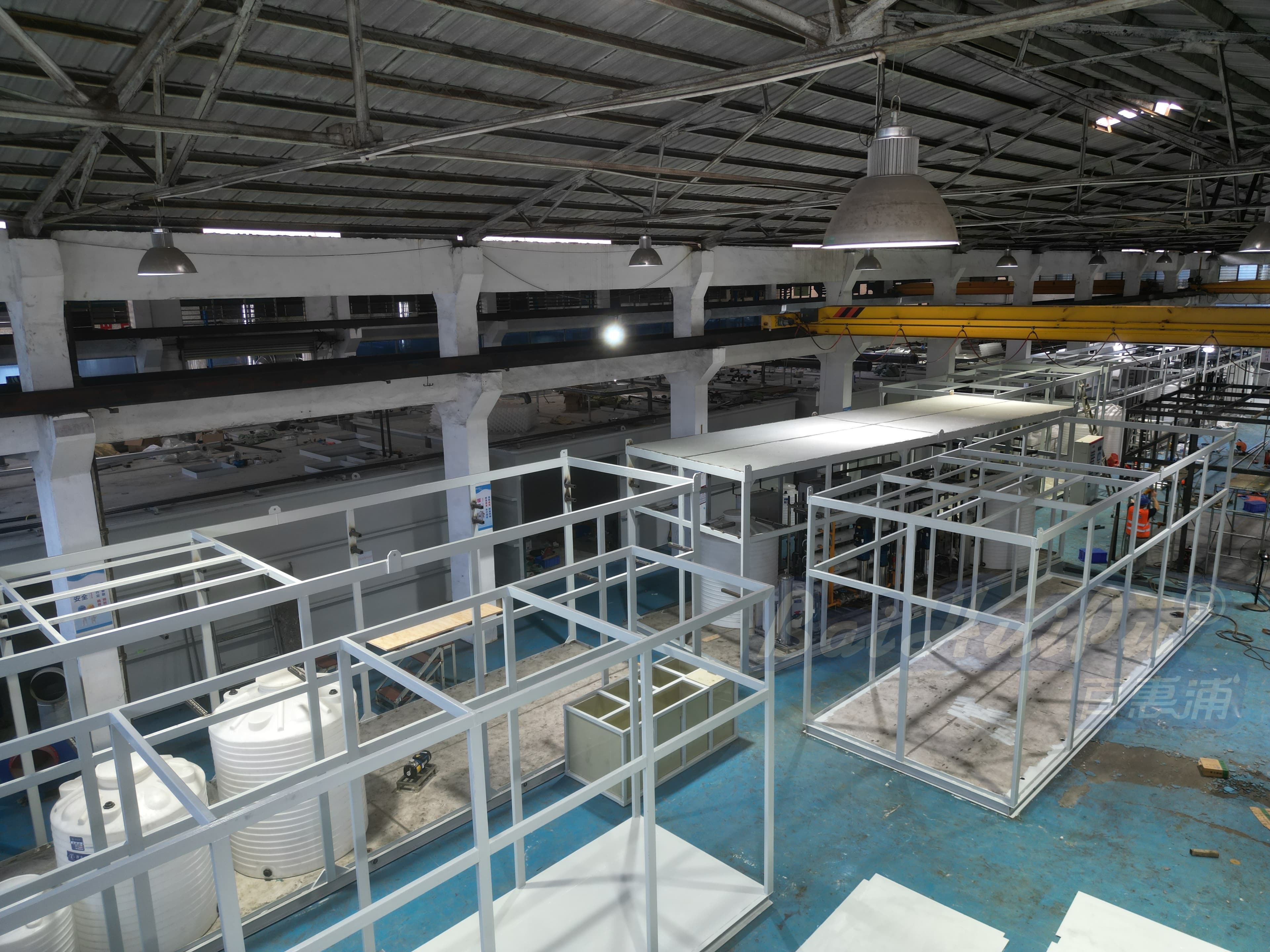
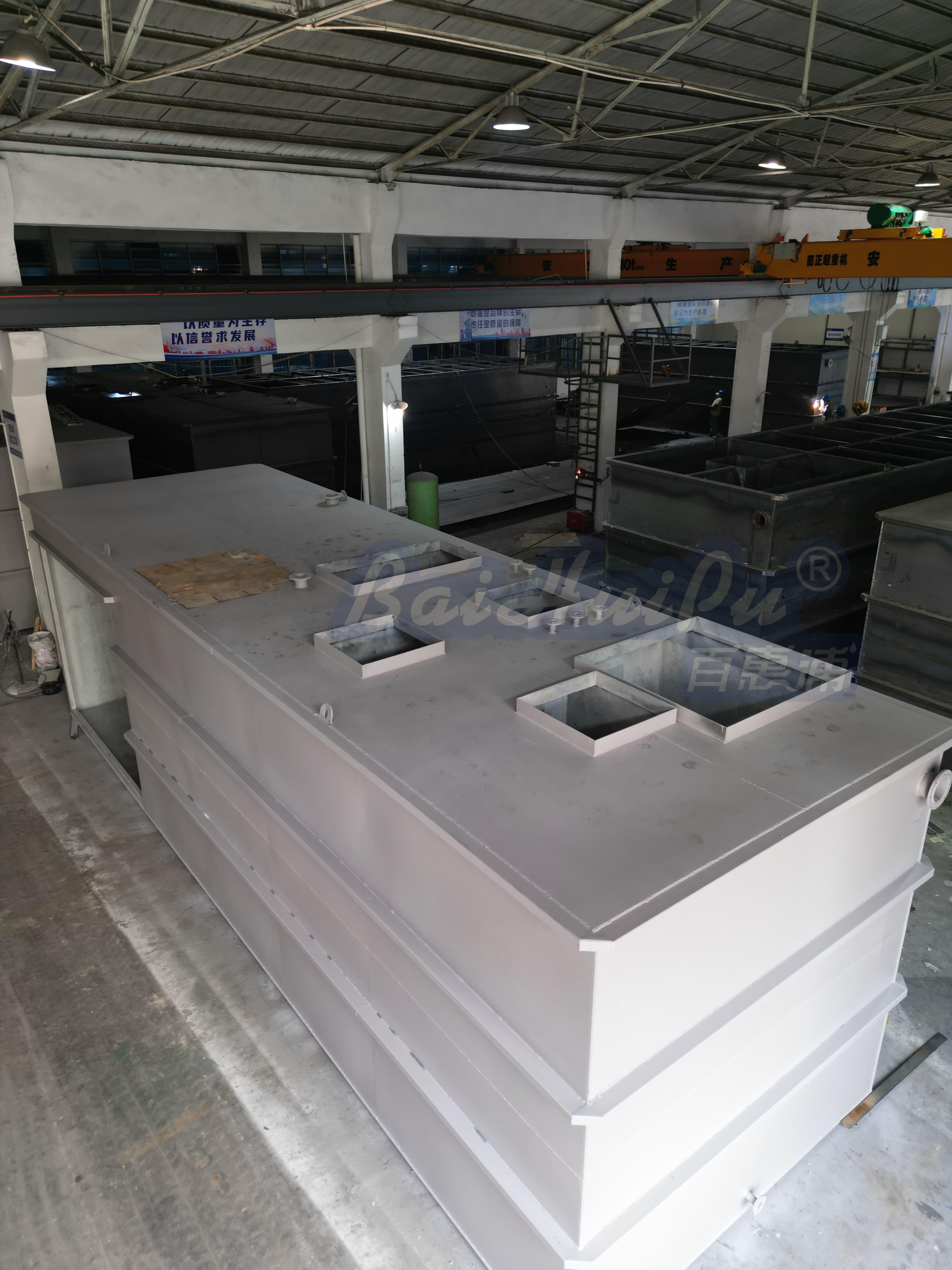
For an international water-treatment project, the period between factory assembly and shipment is a valuable decision point. Tanks, skids, pumps, instruments, pipework, control panels, and documents are visible. Equipment can still be checked against the approved drawings, and corrective work is usually more practical than it will be after the package has been packed, transported, unloaded, and connected on site.
That is the purpose of a factory acceptance test. A good FAT is not simply a factory visit, a photograph session, or a supplier demonstration. It is a jointly understood inspection and test plan that asks: what was agreed, what can be observed, what can be functionally checked at the factory, what remains to be verified on site, and what documents must travel with the equipment?
The exact scope depends on the system. A compact reverse-osmosis skid can be energized and run with clean water before shipment. A large wastewater treatment line may require site utilities, site tanks, actual influent, or civil works that are not available at the factory. In that case, the FAT should be honest about its boundary. It can verify configuration, workmanship, electrical functions, alarms, dry or clean-water sequences, instruments, documents, and shipment readiness without claiming that final process performance has already been proven.
What Is a Factory Acceptance Test for Water Treatment Equipment?
A FAT is a planned confirmation that the supplied equipment corresponds to the approved technical and commercial scope before shipment. It normally combines document review, visual inspection, selective functional checks, non-conformity recording, and shipment-release confirmation.
For industrial water treatment systems, a useful FAT plan identifies five things in advance:
- the approved drawings, equipment list, and process assumptions that form the inspection basis;
- which assemblies, instruments, tags, materials, and control functions must be checked;
- which tests can be completed using clean water, simulation, or safe test media;
- what records the supplier will provide; and
- what conditions must be closed before packing and shipment release.
The plan should be sent before the inspection date, not written after visitors arrive. This gives both parties a chance to clarify acceptance criteria, bring the right people to the review, and avoid treating an unresolved design question as a manufacturing defect.
FAT, Site Acceptance Test, and Commissioning Are Different Stages
These terms are sometimes used interchangeably, but they answer different questions.
Factory acceptance test
The FAT checks the equipment at the supplier’s factory. It is focused on identity, configuration, fabrication, controls, documentation, and tests that are practical before shipment. It is especially valuable for export projects because rework is easier before packing and transport.
Site acceptance test
A site acceptance test, often called a SAT, occurs after installation and connection. It can verify interfaces that are unavailable during factory testing, including site electrical supply, interconnecting piping, communication with plant systems, field instruments, and local safety arrangements.
Commissioning and process-performance confirmation
Commissioning confirms that the installed system can be operated safely and in sequence. Final process performance depends on representative influent, actual operating conditions, utility stability, operator practice, and the agreed performance-test method. It should not be represented as a completed factory test unless the relevant feed and conditions were genuinely available and specified.
Start FAT Planning Before Fabrication Is Finished
The best time to plan a FAT is when design drawings and the equipment list are being approved. Waiting until fabrication is complete creates two common problems: the buyer may expect a test that the project never made practical provision for, and the supplier may have no agreed method for documenting the result.
Define the acceptance scope
Start with the process flow diagram, general arrangement, piping and instrumentation diagram where available, electrical single-line drawing, equipment list, and agreed materials schedule. Mark the parts of the project that need buyer witnessing, third-party inspection, photographs, test records, or special documentation.
For example, a buyer may want to witness panel energization, automatic valve sequencing, pump rotation, alarm simulation, membrane-skid flushing, or packing of sensitive instruments. Another project may prioritize material traceability, weld or leak records, tank dimensions, lifting points, and export packing. Neither approach is automatically better; the relevant scope follows the project risks.
Agree what “pass” means
Acceptance statements should be observable. “System works well” is too vague. More useful wording is: confirm tag numbers against the equipment list; demonstrate the agreed pump start/stop sequence; show HMI alarm acknowledgement; verify that supplied documents match the final configuration; or confirm that crates and loose accessories are labelled against the packing list.
When a result cannot be verified at the factory, record the dependency clearly. A wastewater treatment system may require actual site wastewater and downstream discharge arrangements for a meaningful process trial. That item can be listed as a commissioning-stage activity rather than turned into an unsupported FAT claim.
A Buyer’s FAT Checklist
1. Confirm project identity and approved documents
Check the purchase order reference, approved drawings, equipment list, revision status, and nameplate or tag-number convention. A small mismatch in document revision can cause larger problems later if the site team installs to an earlier layout or expects an instrument that was changed during design review.
The buyer should receive a clear final-document index. It normally identifies drawings, manuals, wiring diagrams, instrument lists, spare-parts lists, inspection records, packing list, and any recommended installation-preparation information.
2. Inspect fabrication and assembly against the agreed scope
Walk through the physical package in a logical order: tanks or skids, main process equipment, pumps, valves, filters, membrane housings, piping, access platforms, chemical-dosing points, sensors, electrical enclosures, and lifting or transport features. Compare what is installed with the approved bill of equipment rather than relying only on a general visual impression.
Useful inspection points include access for routine maintenance, clear equipment identification, support and bracket arrangement, drainage points, accessible instruments, enclosure condition, and separation of equipment that will be shipped in separate modules. If a site utility connection is not included, the battery limit should be clearly marked on drawings and on the package where practical.
3. Verify materials and corrosion-critical items
Materials of construction should be checked where they matter to the process duty. Depending on the system, this can include tank materials, piping material, valve bodies, gaskets, membrane-housing materials, fasteners, coatings, and chemical-contact components.
This is not a request for generic declarations that every component is suitable for every chemical. It is a confirmation that the built equipment matches the material selections agreed for the stated influent, temperature, pressure, and cleaning conditions. Any open chemical-compatibility question should be recorded for technical review before operation.
4. Review electrical, instrumentation, and automation functions
At a minimum, confirm panel identification, wiring neatness, labels, power requirements, control devices, and the agreed PLC/HMI scope. Where safe and practical, witness key operating sequences such as pump start/stop, permissive logic, level simulation, valve actuation, alarm display, emergency-stop behavior, and manual/automatic mode selection.
Not every instrument can be calibrated during a general FAT. However, the supplier should identify which instruments are supplied, how they are configured, what certificates or settings are included, and which field checks remain for installation. If remote monitoring or communication is part of the project, the interface assumptions should be documented rather than assumed.
5. Witness available functional testing
The test medium and boundaries must be agreed. Clean-water testing can demonstrate flow paths, pump operation, leak checks where applicable, control sequences, and basic mechanical behavior. It cannot by itself demonstrate treatment performance for variable industrial wastewater, dissolved metals, oil emulsions, high-salinity concentrate, or a complex evaporation duty.
Use the factory test to prove what it can prove. Record the test conditions, equipment configuration, observations, alarms or deviations, and any items that require site verification. A straightforward, limited test record is more useful than an overbroad performance statement.
What Documents Should Be Ready at FAT?
Documentation is part of the delivered system. Site teams use it to receive, install, connect, operate, and maintain the equipment. The required package depends on scope, but buyers commonly request:
- approved process and layout drawings;
- final equipment list and tag list;
- electrical drawings and panel information;
- operating and maintenance guidance;
- instrument, motor, and major purchased-component information;
- inspection and test records relevant to the agreed scope;
- spare-parts and consumables list where included;
- packing list, shipping marks, and export-document requirements; and
- installation preparation and connection-boundary information.
Before shipment, verify that document names and revisions match the manufactured configuration. A manual copied from an earlier project may look complete but cannot guide a site team reliably if the pumps, control philosophy, materials, or connection locations are different.
How to Handle Non-Conformities
A non-conformity is not necessarily a project failure. It is an item that does not match the agreed acceptance basis or that needs clarification before release. The important practice is to record it clearly.
For each item, note the reference document, observed condition, required corrective action, responsible party, target completion date, and whether the item blocks shipment. Photographs and marked drawings are often more useful than a general comment such as “please improve.”
Some items can be closed by document revision, additional photographs, or a remote witness after corrective work. Other items—such as an incorrect critical material, missing equipment, unsafe electrical condition, or unresolved shipping damage—should normally be resolved before the package is released. The classification should be agreed with the buyer rather than hidden in informal messages.
FAT Is Also a Shipment-Preparation Check
For export projects, shipping preparation deserves the same attention as the equipment itself. The factory acceptance stage is the last practical opportunity to verify what will be loaded, how it is protected, and how the receiving team will identify it.
Check the packing list against the actual scope. Confirm that loose instruments, manuals, spare parts, hoses, tools, and accessories are assigned to the correct package. Verify transport dimensions and weights where required, lifting points, crate markings, weather protection, and any preservation method for transport or storage.
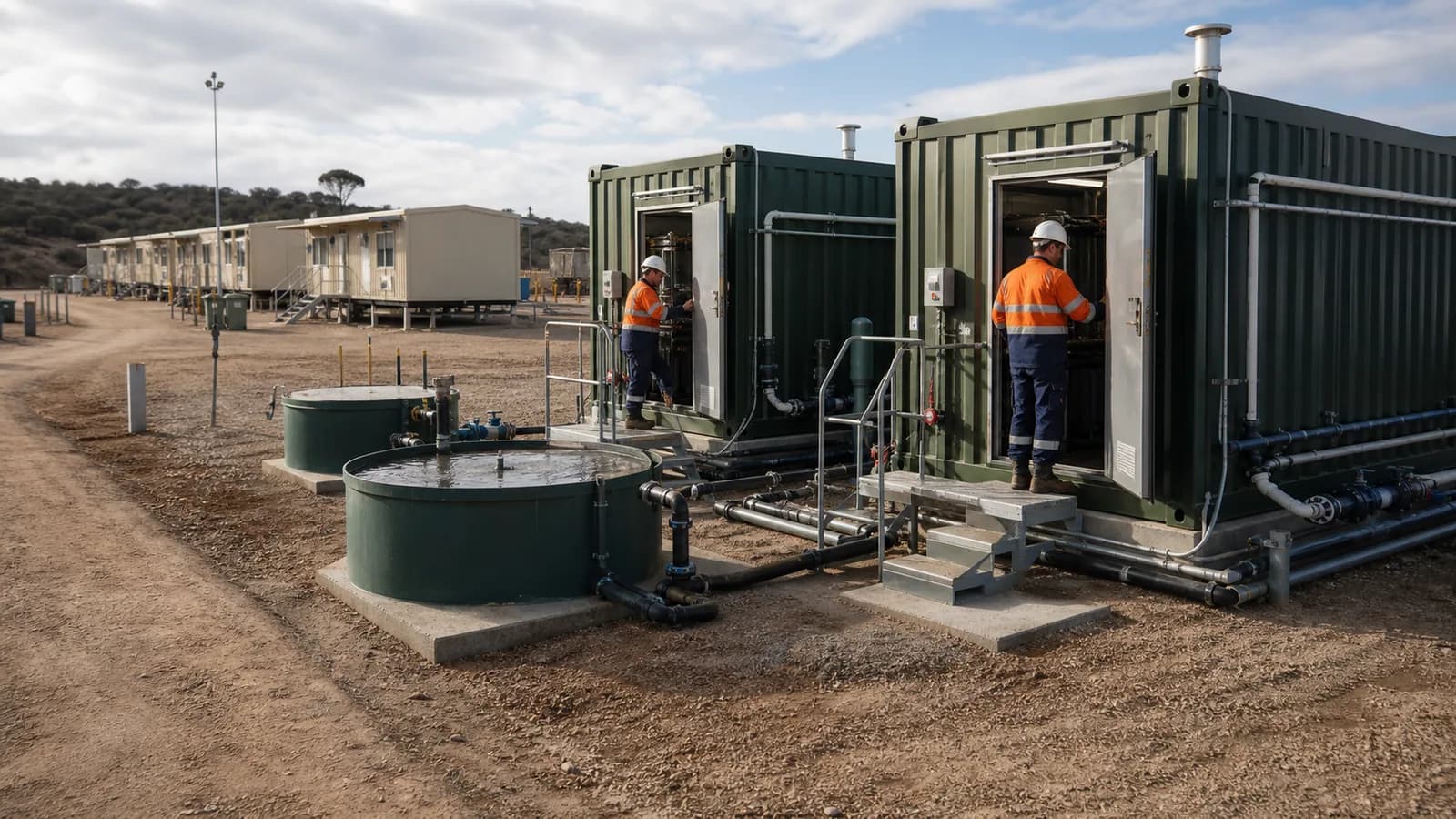
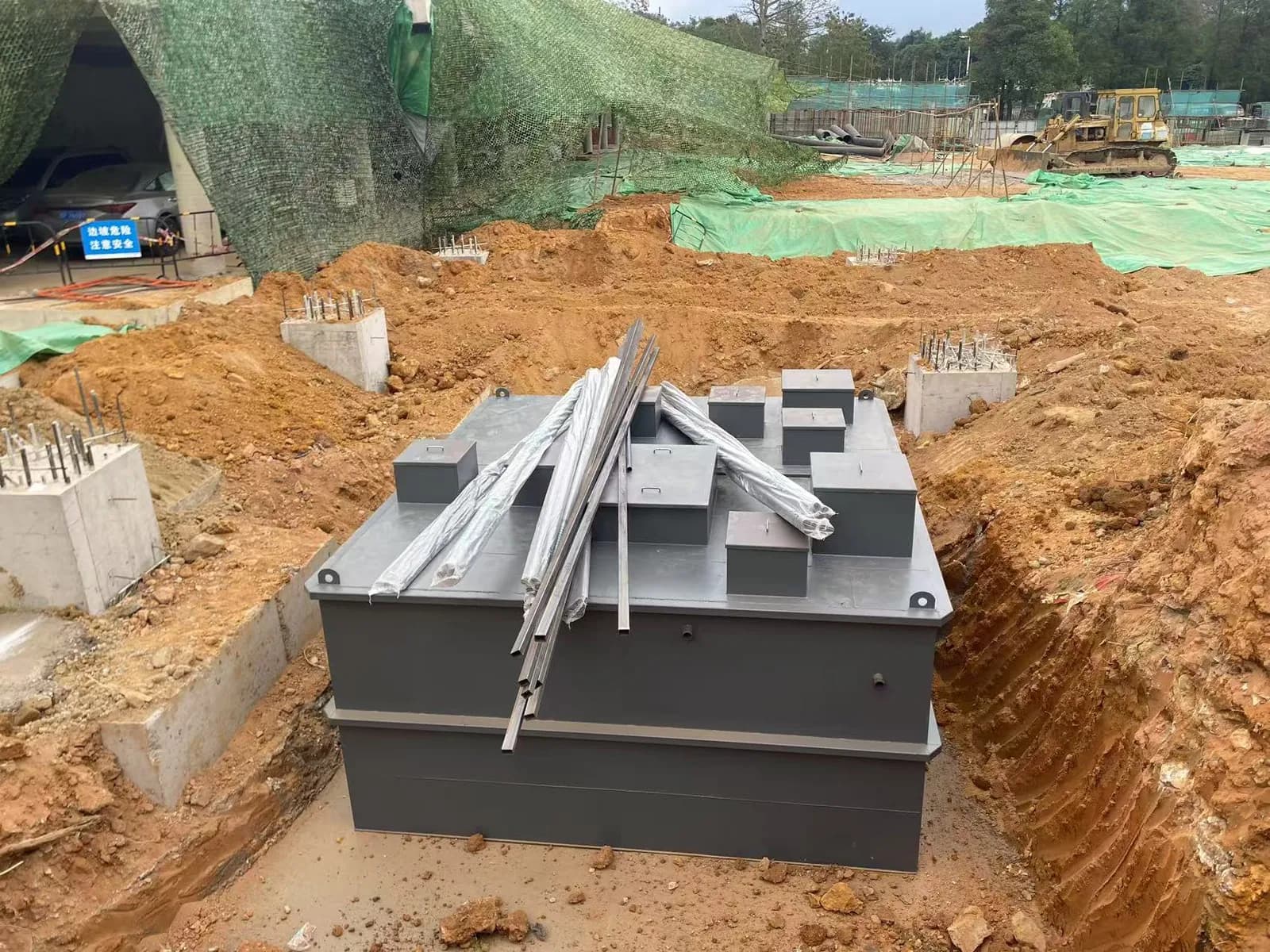
If the equipment will be installed in a constrained space, the shipment inspection should also revisit installation preparation: unloading route, door dimensions, crane or forklift capacity, module sequence, foundation or support frame, utilities, drainage, ventilation, and maintenance clearance. These details are not minor logistics items; they affect whether commissioning can begin on schedule.
Questions Buyers Should Ask Before Releasing Equipment
- Which drawings and documents represent the final delivered configuration?
- What factory tests were completed, with which medium and operating conditions?
- Which performance checks remain for site commissioning?
- Are all inclusions, loose accessories, and spare parts visible on the packing list?
- What site utilities, piping, civil works, and electrical interfaces are outside the supplier’s package?
- What handling, storage, and installation-preparation instructions should the receiving team follow?
These questions give purchasing, engineering, and site teams the same view of the delivery boundary. They also make it easier to plan shipment inspection and commissioning support without making assumptions.
FAQ
Is a FAT required for every industrial water treatment system?
Not always. The appropriate inspection scope depends on project size, complexity, export route, criticality, and contract requirements. Even when a formal witnessed FAT is not required, a documented factory inspection and shipment check can still reduce avoidable delivery uncertainty.
Can a FAT prove wastewater treatment performance?
Only if the agreed test method, representative feed, utilities, and acceptance criteria are genuinely available. For many industrial wastewater projects, a factory test verifies configuration and functional operation while final process performance is confirmed during site commissioning with representative water.
Who should attend the FAT?
The right attendees depend on the project. Buyers often include a process engineer, project manager, quality representative, or appointed third-party inspector. The supplier should have people available who can explain the equipment, controls, documentation, test method, and packing scope.
What happens if an item is not closed at the FAT?
Record it as a non-conformity or open item with an agreed corrective action, evidence required for closure, and shipment-release status. Do not rely only on verbal confirmation.
Does FAT replace site inspection after delivery?
No. Site receiving inspection, installation checks, commissioning, and any site acceptance activities remain important. A FAT reduces pre-shipment risk; it does not eliminate site interface or operational risks.
Conclusion
A well-planned factory acceptance test makes the delivery process more transparent. It confirms that the equipment, controls, documents, and packing reflect the approved project basis, while keeping clear boundaries around what must still be checked after installation. For industrial water treatment projects, that clarity supports smoother shipment inspection, installation preparation, and commissioning.