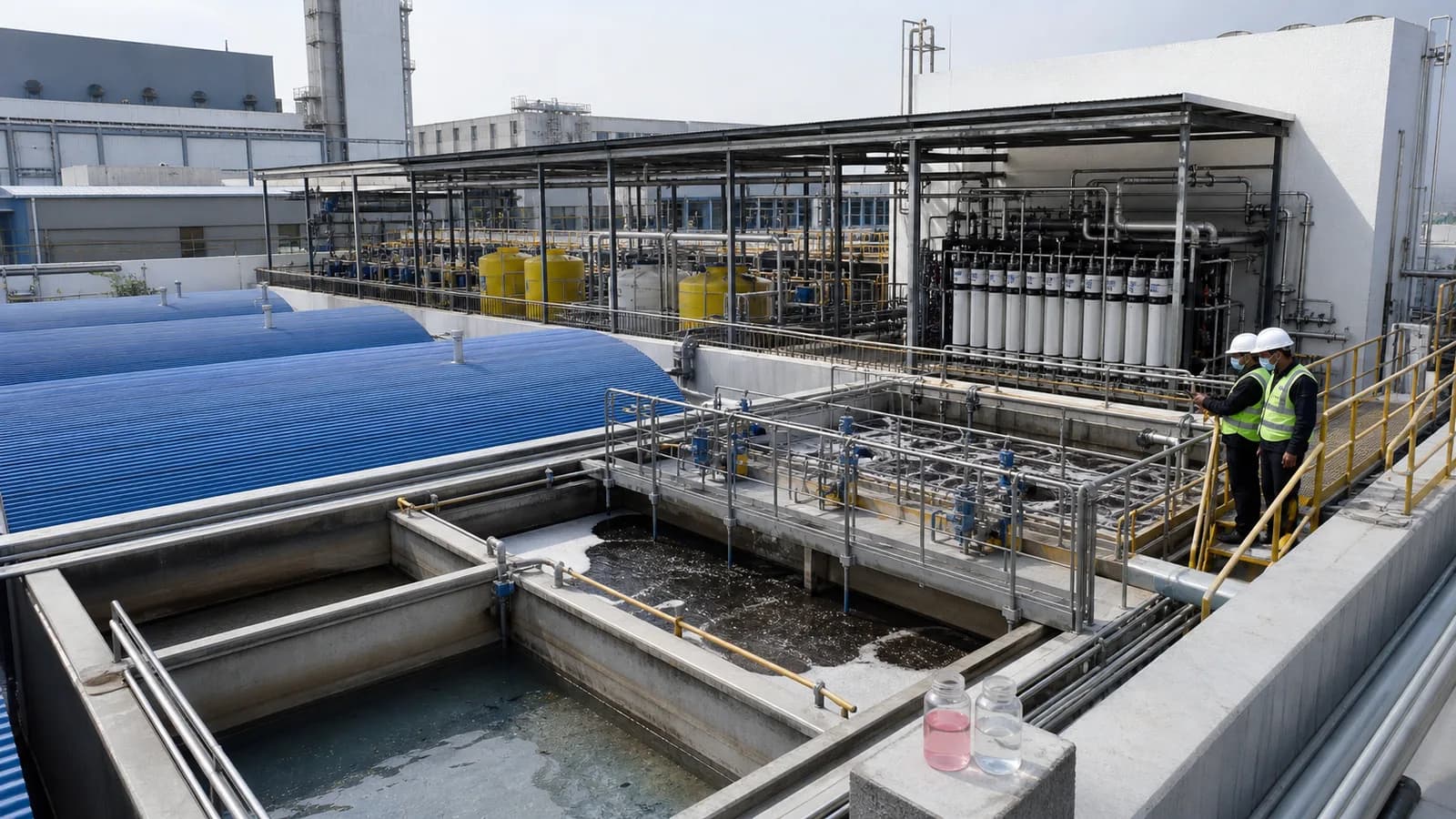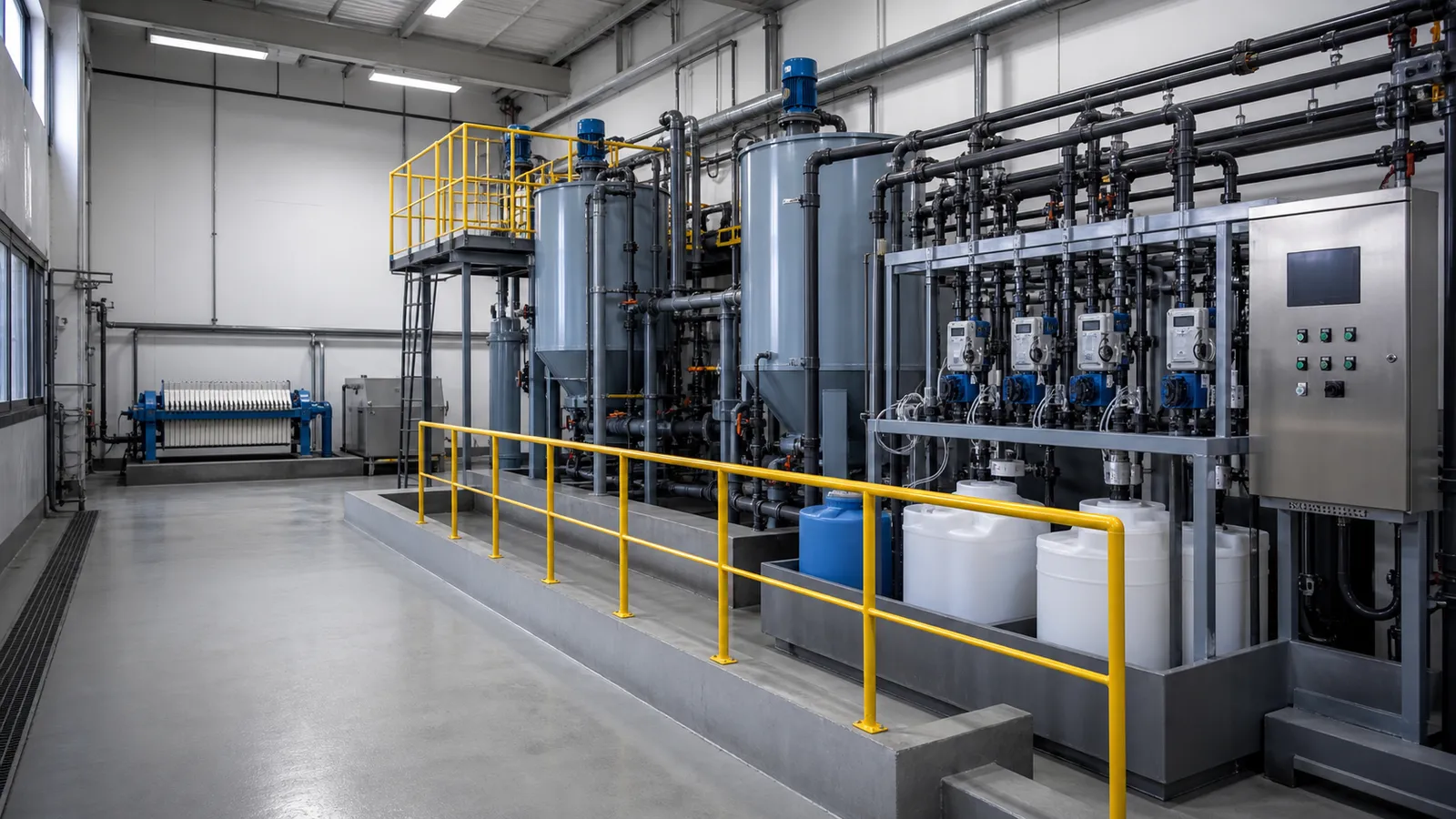
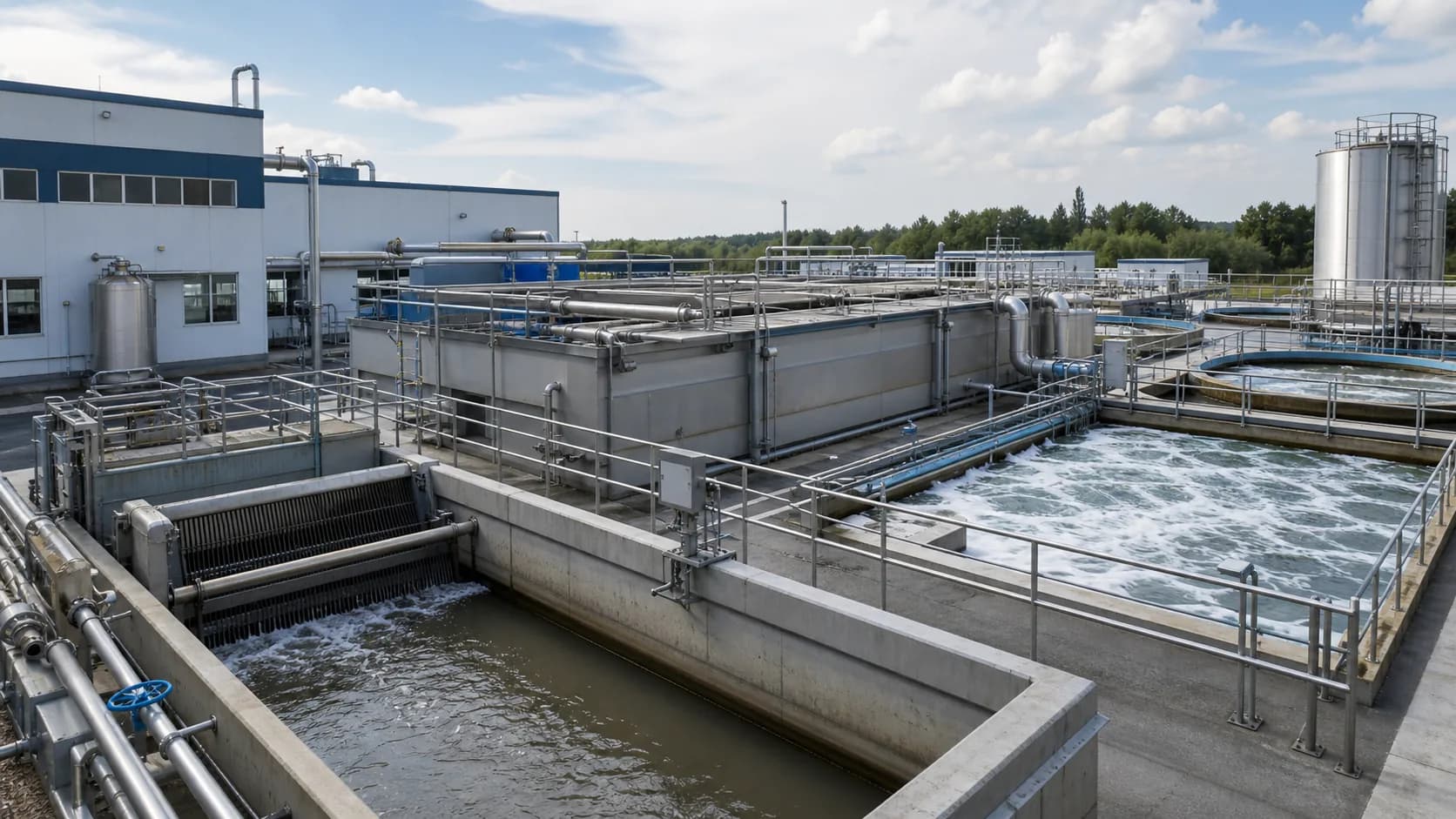
Introduction
Dairy wastewater is often highly biodegradable, but that does not make it automatically easy to treat. Milk, whey, cream, product residues and cleaning chemicals can create large changes in COD, BOD, fats, suspended solids, pH, temperature and conductivity within one production day. A treatment plant designed from average daily values can be overloaded by a short product loss or clean-in-place discharge.
The correct process route depends on what the factory makes, how product recovery is managed, how cleaning is scheduled, and where treated water and residuals will go. A cheese plant with whey streams does not have the same load pattern as a beverage dairy filling milk and yogurt. Likewise, a discharge-only project and a reuse project need different polishing and monitoring boundaries.
This guide explains how overseas buyers can turn production information and wastewater data into a credible treatment scope without assuming unsupported removal performance.
Start with Production and Source Segregation
The least expensive load to treat is often the product that never enters the drain. Map the wastewater at its source before selecting equipment.
Important sources can include:
- milk reception and tanker washing;
- pasteurizer, separator and homogenizer losses;
- cheese curd and whey handling;
- yogurt, cream, butter or ice-cream production;
- filling-line changeovers and start-up losses;
- floor and equipment washing;
- clean-in-place pre-rinse, caustic, acid and final-rinse streams;
- cooling water, boiler blowdown and water-treatment reject;
- sanitary wastewater, which may need a separate treatment boundary.
High-strength product streams should be evaluated for recovery, animal-feed use or separate management where lawful and practical. Relatively clean cooling water should not automatically be mixed with process wastewater. Concentrated acid or caustic cleaning solutions may require controlled release or segregation rather than a sudden dump into the equalization tank.
The US EPA dairy-products effluent guideline separates dairy processing into production categories, reflecting how manufacturing activity changes the wastewater basis. Buyers should use the same logic at project level: define the actual products and operations, not only the word “dairy.”
Build a Representative Design Basis
A useful design basis combines flow, concentration, load and operating context.
Hydraulic Data
Record average, peak and batch flows. Identify shift patterns, production days, cleaning times and seasonal campaigns. If wastewater generation stops overnight while treatment continues, equalization may reduce the required biological feed rate. If the plant sends several cleaning batches at once, short-term storage and controlled dosing become critical.
Water-Quality Data
Analyze representative samples for parameters relevant to the outlet target and selected process. These may include:
- pH and temperature;
- COD and BOD;
- total suspended solids;
- fats, oil and grease;
- total nitrogen, ammonia and phosphorus;
- conductivity, chlorides and relevant cleaning chemicals;
- alkalinity and any sanitizers or inhibitory compounds.
Composite sampling can describe a typical production period, while grab samples are valuable for short cleaning or product-loss events. Label samples by operating condition. A single diluted end-of-day sample cannot define the peak load.
Mass Load
Calculate kilograms per day and peak kilograms per hour for the parameters that drive treatment. Biological reactors respond to load, not concentration alone. A high COD concentration at low flow may have a different impact from a long-duration moderate load.
The Inter-American Development Bank’s good-practice guide for dairy wastewater management also emphasizes understanding generation points, reducing losses and managing wastewater as part of production practice.
A Practical Treatment-Route Framework
The following sequence is a decision framework, not a fixed process for every plant.
1. Screening and Product-Loss Control
Screens remove labels, packaging fragments, curd particles and other coarse material before they damage pumps or accumulate in tanks. Select opening size and cleaning method from the actual solids. A screen does not remove dissolved milk sugars or soluble COD.
Dry cleanup, product recovery and disciplined drain practices can reduce the load before treatment. Track product loss separately from water use so improvements are visible.
2. Equalization and Controlled Feed
Equalization blends variable inflow and allows treatment to receive a controlled rate. Mixing should prevent fats and solids from forming stagnant layers. Level controls, duty/standby pumps and high-level response should match the production schedule.
Avoid assuming equalization will solve every chemical shock. Concentrated CIP acid, caustic or sanitizer may need controlled transfer. The tank volume should be based on a time profile and load review, not a generic number of retention hours.
3. pH Adjustment and Chemical Conditioning
Biological and separation processes require an appropriate pH range. Neutralization demand should be assessed from titration or operating data where possible, because pH alone does not reveal buffering capacity.
Coagulants or polymers may be used before dissolved air flotation to improve removal of emulsified fats, proteins and fine solids. Chemical selection and dose should follow jar or flotation testing with representative wastewater. An assumed dose can distort operating cost, sludge production and downstream salinity.
4. Dissolved Air Flotation for FOG and Suspended Load
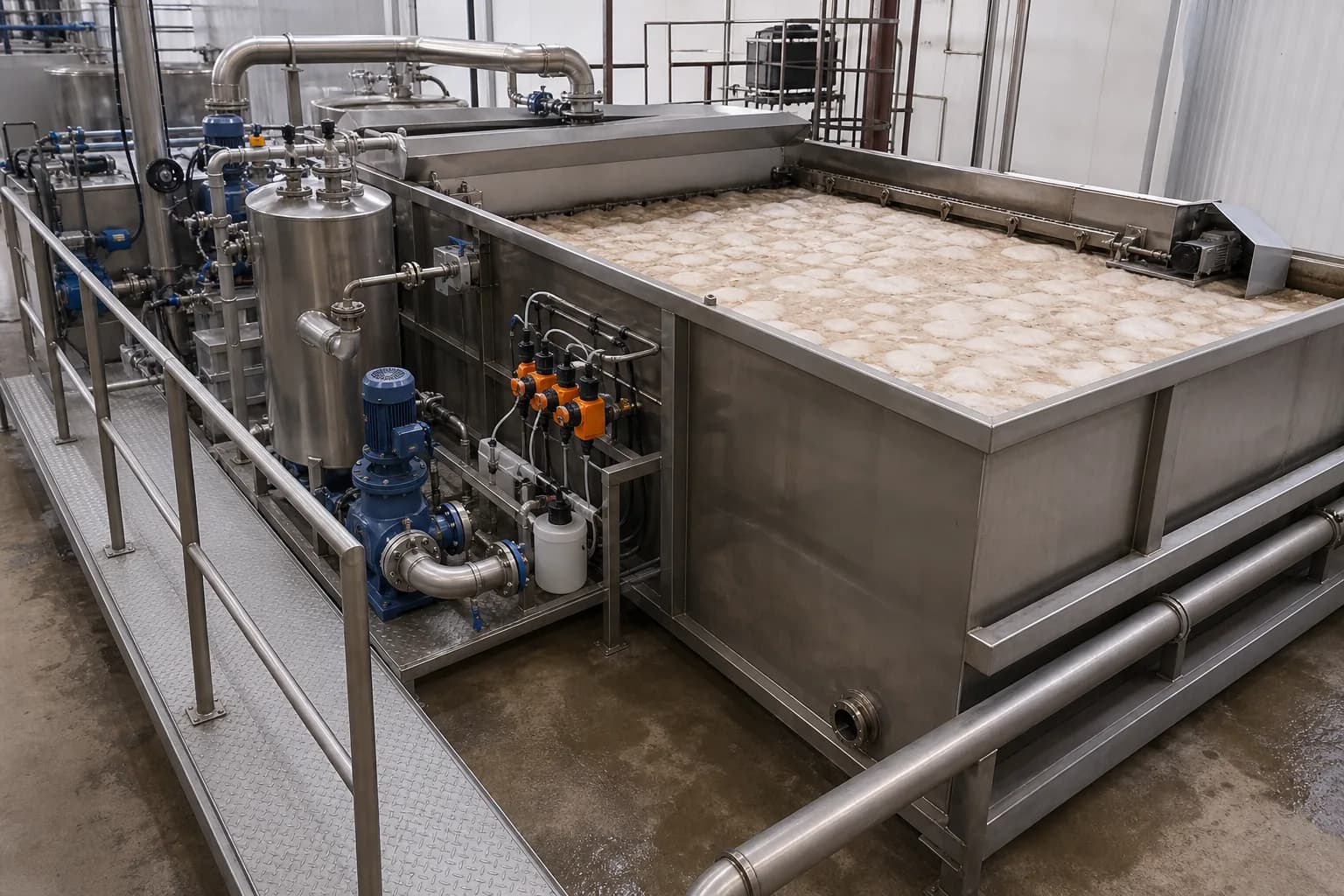
DAF is commonly considered where light solids, fat globules and chemically formed flocs do not settle reliably. Fine bubbles attach to conditioned material and carry it to the surface for skimming.
Evaluate DAF when pretreatment can materially reduce the load on biological treatment. Confirm:
- untreated and treated FOG and suspended solids;
- response to pH adjustment, coagulant and polymer;
- hydraulic and solids loading across production conditions;
- recycle pressure and air-dissolution scope;
- skimmer, hopper and sludge-pumping arrangement;
- destination and dewatering behavior of floated sludge.
DAF performance should be established through representative tests or relevant validated data. Do not treat a brochure removal percentage as a project guarantee.
5. Anaerobic Treatment for Concentrated Biodegradable Load
Anaerobic treatment can be attractive for sufficiently concentrated, biodegradable and consistent wastewater because it can reduce organic load with lower aeration demand and may produce biogas. It is not automatically suitable for every dairy plant.
Review temperature, influent variability, fats, suspended solids, cleaning chemicals, nutrients, alkalinity, operator capability, start-up time, odor and gas-safety requirements. A large dilute flow or frequent inhibitory shocks can weaken the economic case. Pretreatment and equalized feeding are often important.
Where anaerobic treatment is proposed, request the assumed loading rate, feed characteristics, expected operating range, gas handling boundary, sludge management and required aerobic polishing.
6. Aerobic Biological Treatment
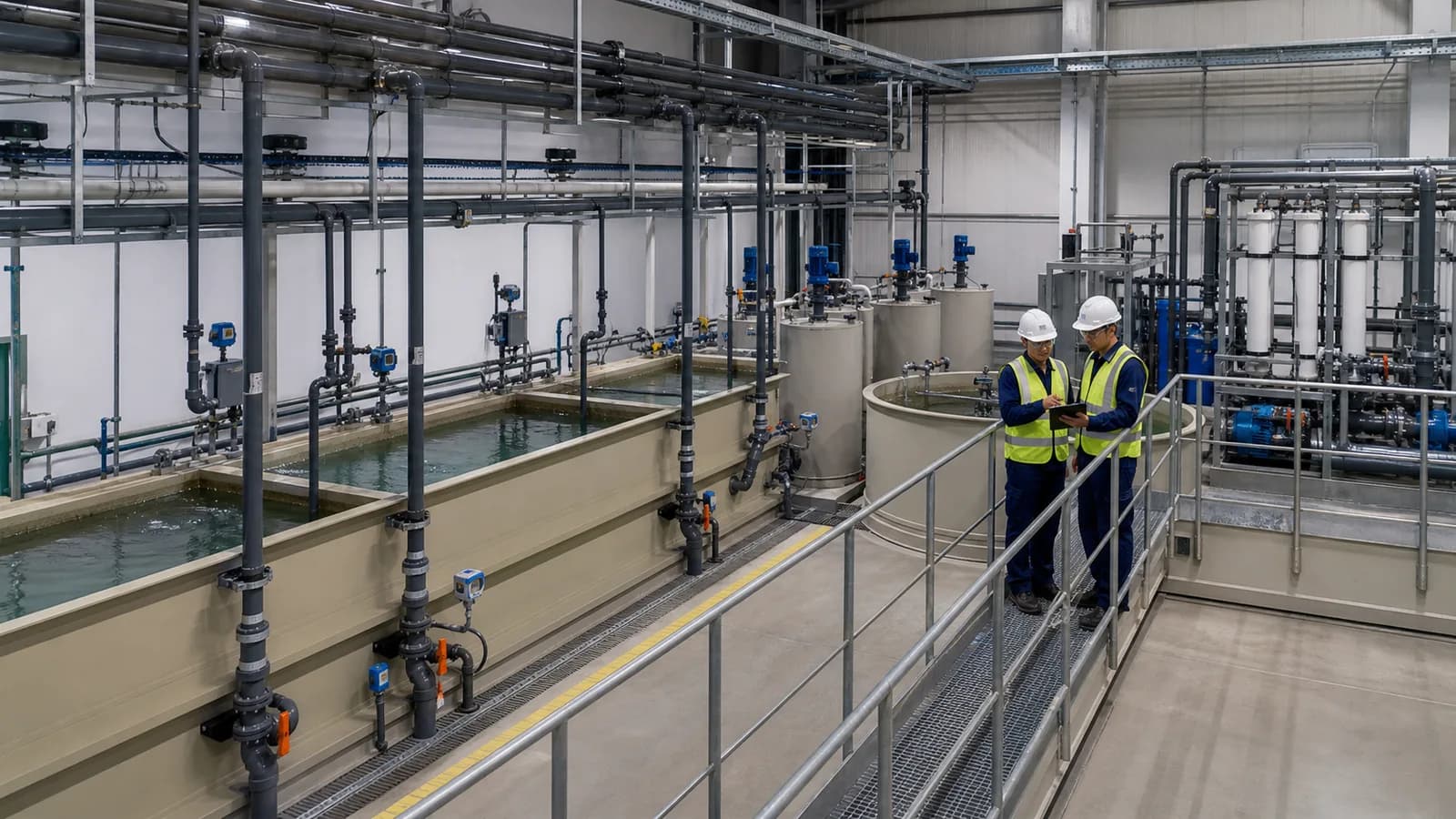
Aerobic treatment removes the remaining biodegradable load and may support nitrogen removal when the process and controls are designed for it. Options include conventional activated sludge, sequencing batch reactors, moving-bed biofilm reactors and membrane bioreactors.
The selection depends on:
- organic and nutrient loads;
- variability and shock risk;
- required effluent quality;
- available footprint;
- operator resources;
- sludge-settling behavior;
- energy and maintenance expectations;
- need for future expansion.
Do not select a biological process from tank volume alone. Review food-to-microorganism conditions, sludge age, oxygen demand, temperature, alkalinity, recycle flows, wasting and the response to cleaning compounds.
7. MBR, Filtration or Reuse Polishing
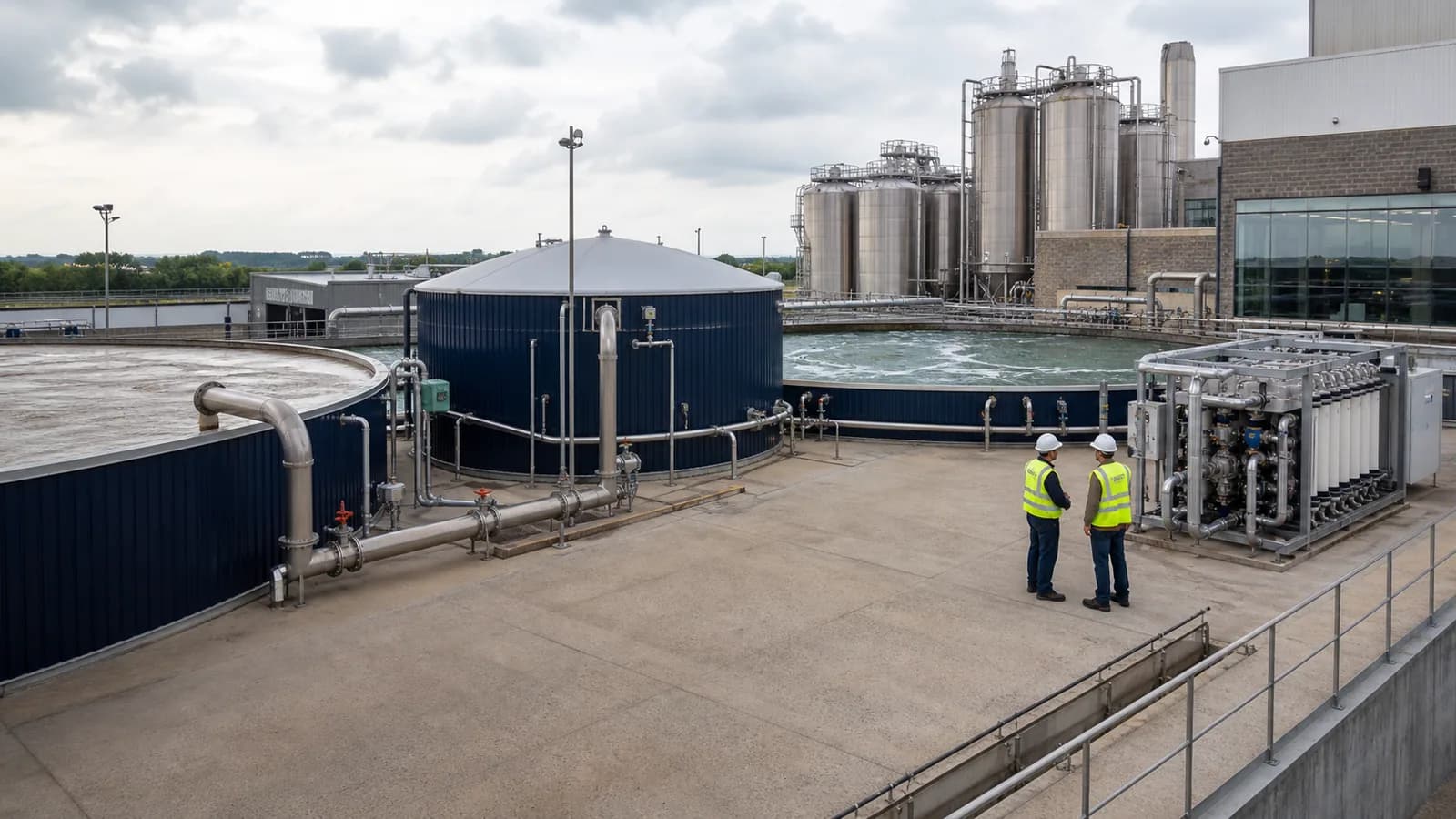
An MBR combines biological treatment with membrane solids separation and can produce low suspended solids, but it adds membrane aeration, cleaning, screening, controls and replacement requirements. It does not remove all dissolved salts.
For reuse, define the end use first. Cooling-tower makeup, washing, boiler pretreatment or process reuse have different limits. Polishing may include filtration, activated carbon, ultrafiltration, reverse osmosis and disinfection. The route must also address concentrate, backwash and cleaning waste.
Reuse should be based on measurable point-of-use requirements and local rules. Avoid specifying RO simply because “high-quality water” is desired.
Comparing Common Biological Options
| Decision factor | SBR | MBBR | MBR |
|---|---|---|---|
| Basic configuration | Time-sequenced fill, react, settle and decant | Biofilm carriers retained in aerated tanks, normally followed by solids separation | Suspended-growth biology with membrane solids separation |
| Potential advantage | Flexible batch sequencing and integrated settling | Compact biofilm inventory and tolerance of some load variation | Low suspended solids and compact final separation |
| Key constraint | Cycle coordination and decanter reliability | Carrier retention, aeration and downstream clarification | Membrane fouling, screening, cleaning and energy |
| Buyer should verify | Peak cycle capacity and decant quality | Actual loading basis and solids-separation scope | Flux basis, cleaning strategy, redundancy and lifecycle cost |
These descriptions are screening guidance. Pilot work, reference data or a defensible design calculation should support the selected loading and performance basis.
Sludge and Residuals Are Part of the Process
Dairy treatment can generate screened solids, DAF float, waste biological sludge, chemical sludge, membrane backwash and RO concentrate. Define where each residual goes.
DAF sludge rich in fat and protein may behave differently from biological sludge during storage and dewatering. Polymer demand and cake condition should be tested. Return liquors from dewatering can carry a substantial soluble and suspended load back to the headworks; include them in the mass balance.
An equipment quotation that ends at “sludge outlet” is incomplete unless the buyer has a separate handling plan.
Factory Testing, Shipment Inspection and Installation Preparation
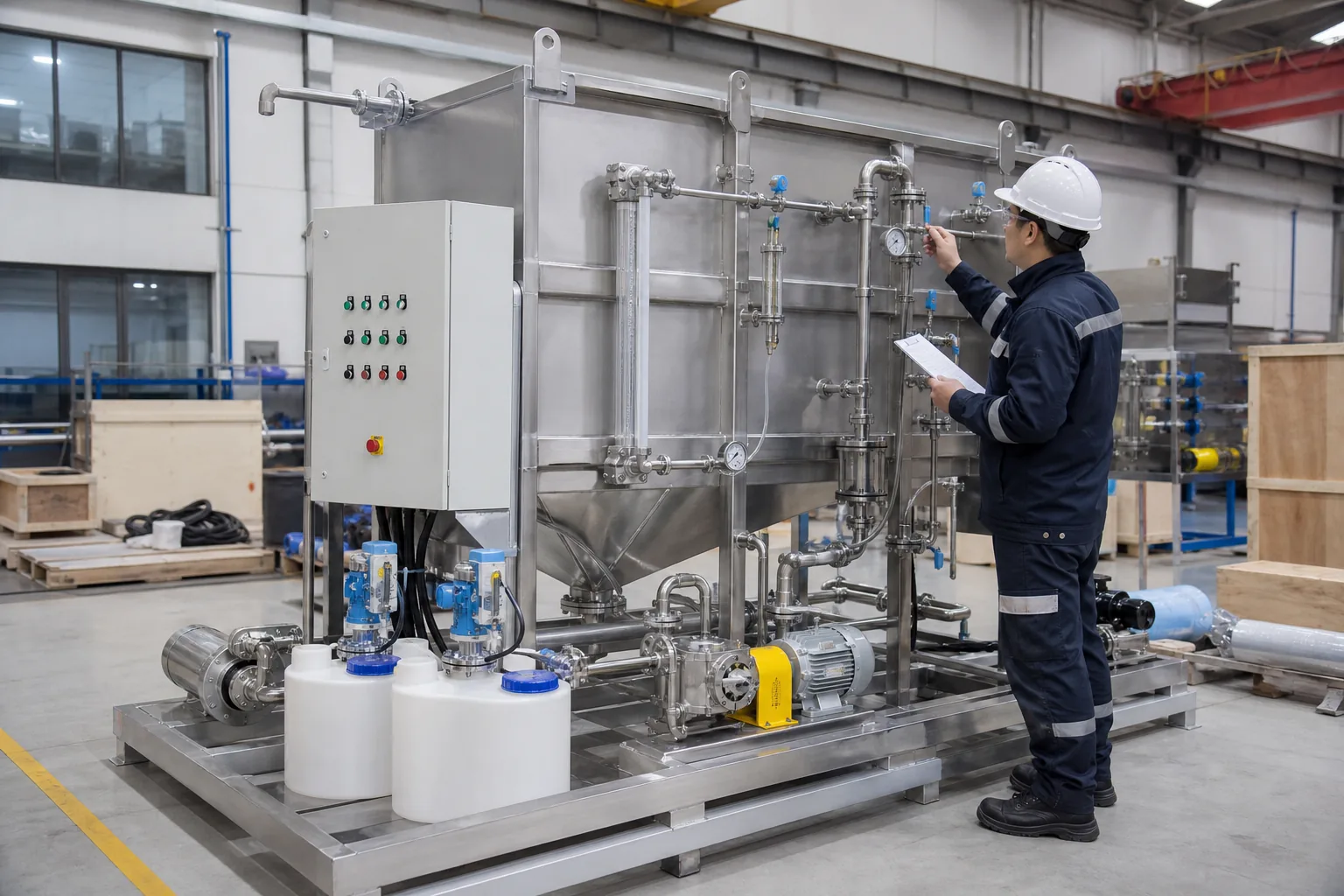
Packaged equipment should be checked against the agreed scope before shipment. Depending on the project, factory testing may review equipment identification, tank and skid arrangement, pump rotation, instrument signals, control logic, alarms, interlocks, documentation and accessible wet testing.
Shipment inspection should verify packing lists, loose items, preservation, labels, lifting points and document status. It does not prove biological performance because the treatment biomass and actual dairy wastewater are normally absent.
Before installation, confirm civil dimensions, drainage, ventilation, chemical storage, electrical supply, compressed air where applicable, access for membrane or pump removal, sludge handling and commissioning water. Clear interface responsibility reduces site delays.
What to Send in a Dairy Wastewater RFQ
Provide:
- products made and production volume by line;
- operating days, shifts and seasonal changes;
- wastewater flow profile and batch events;
- representative analyses linked to production conditions;
- CIP chemicals, concentrations, volumes and release schedule;
- current source-control or product-recovery practices;
- discharge limit or named reuse requirement;
- available footprint and elevation constraints;
- utilities and electrical standard;
- sludge and concentrate disposal route;
- required redundancy and operating labor;
- equipment, civil, installation and commissioning boundaries.
Ask suppliers to list assumptions and exclusions. Compare process guarantees only when sampling points, averaging periods, influent range and operating conditions are defined.
FAQ
Why does dairy wastewater have high COD and BOD?
Milk sugars, proteins, fats, whey and lost product are biodegradable organic materials. Their concentration depends strongly on product recovery, cleaning practice and dilution, so measured load data are required.
Is DAF always necessary for dairy wastewater?
No. It is commonly evaluated where fats, proteins, light solids or chemically formed flocs create a meaningful pretreatment opportunity. Testing should determine whether the load reduction justifies chemicals, sludge handling and equipment.
Can dairy wastewater go directly to biological treatment?
It may be possible when solids, fats, pH, temperature and load variation are within the biological system’s design range. Screening and equalization are still commonly needed, and concentrated or inhibitory cleaning streams require review.
Is anaerobic treatment suitable for a small dairy?
Not automatically. Anaerobic economics and stability depend on organic load, concentration, temperature, operating consistency, gas management and skilled operation. A lower-load plant may be better served by another route.
Can treated dairy wastewater be reused?
Potentially, but the answer depends on the intended use, local requirements and risks from microorganisms, nutrients, salts and cleaning chemicals. Define the point-of-use quality and residuals route before selecting polishing equipment.
What is the biggest procurement mistake?
Selecting a treatment package from average flow and a single COD value. The production schedule, peak product losses, CIP discharges, fats, nutrient balance and residuals usually change the real design.
Conclusion
A dependable dairy wastewater treatment system begins upstream. Control product loss, map cleaning discharges, measure time-based flow and load, and preserve representative samples. Then use screening, equalization, separation, biological treatment and polishing only where each stage has a defined job. The final RFQ should connect performance targets with residuals, controls, factory inspection and site interfaces.
Send your dairy production profile, wastewater analysis and treatment target to request a project-specific process review.