Introduction
Buyers often begin with a reasonable question: “How much does an industrial wastewater treatment system cost?” The difficult part is that two projects with the same nominal capacity can require very different equipment.
A 100 m³/day stream containing mainly suspended solids is not comparable with a 100 m³/day stream containing dissolved metals, high chemical oxygen demand, oil, fluoride, variable pH, or high dissolved salts. One project may need equalization, pH adjustment, coagulation, clarification, and filtration. Another may require selective chemical treatment, biological treatment, membrane separation, evaporation, or a water-reuse polishing stage. The tank volume may look similar, but the process risk, materials, instrumentation, energy demand, and residuals-handling scope are not.
This guide explains the 12 factors that have the greatest influence on a supplier’s quotation. It also shows what to include in an RFQ, what factory testing can and cannot prove, and how to compare proposals without being misled by a low headline price.
The objective is not to produce a generic cost number. It is to help your engineering and purchasing teams receive quotations that are technically comparable and closer to the real project requirement.
Why flow rate alone does not define system cost
Flow is important because it affects tank volume, pump duty, pipe size, membrane area, heat-transfer duty, and equipment footprint. However, flow does not describe what must be removed or where the treated water will go.
For an early discussion, a supplier normally needs at least four categories of information:
- Source: Which production steps generate the wastewater?
- Quantity: What are the average, peak, and batch flows?
- Quality: What contaminants are present, at what concentration, and with what variation?
- Objective: Is the water intended for sewer discharge, surface-water discharge, internal reuse, process reuse, concentration, or reduced liquid discharge?
The US EPA’s Industrial Wastewater Treatment Technology Database classifies treatment as a sequence of individual units selected around industries, pollutants, influent and effluent concentrations, and performance data. That is a useful way to think about cost: the price follows the treatment duty, not the equipment label.
The 12 factors that change an industrial wastewater treatment quote
1. Average, peak, and batch flow
Daily flow is only the starting point. A continuous 100 m³/day stream behaves differently from four 25 m³ batches released within one shift. Peak hydraulic load may determine the equalization volume and the size of transfer pumps and downstream units.
Provide:
- average daily flow;
- maximum daily flow;
- peak hourly flow;
- batch volume and release frequency;
- operating hours per day and days per year;
- anticipated production expansion.
A system designed only for the average value may overflow or lose treatment stability during peaks. A system sized for an unrealistic peak may be unnecessarily expensive. The design basis should state how the selected capacity was calculated.
2. Wastewater composition and variability
A representative analysis is the most valuable document in an RFQ. Relevant parameters vary by industry, but commonly include pH, conductivity, total dissolved solids, total suspended solids, COD, BOD, oil and grease, hardness, alkalinity, silica, ammonia, phosphorus, metals, fluoride, chloride, sulfate, and any process-specific chemicals.
One sample is not always enough. If production recipes, cleaning cycles, plating baths, or raw materials change, the supplier needs to understand the expected range. Minimum, typical, and maximum values are more useful than a single average.
Variability affects equalization, chemical dosing range, control logic, membrane loading, fouling risk, and safety margin. It can also determine whether separate collection of a concentrated side stream is more economical than mixing every stream together.
3. The required treatment objective
“Treat the wastewater” is not a measurable specification. The outlet target should identify both the destination and the required values.
Possible objectives include:
- discharge to a municipal sewer;
- direct discharge under a local permit;
- reuse for washing, cooling, utility makeup, or another non-potable purpose;
- feed to a higher-purity water system;
- concentration before off-site disposal;
- minimum or zero liquid discharge.
Industrial water reuse should be fit for its next purpose. Over-treating reuse water can add cost and energy without adding value; under-treating it can damage downstream equipment or disrupt production. The buyer remains responsible for confirming the applicable local regulation, permit, and reuse requirement. A supplier’s process proposal should not be treated as a substitute for local regulatory approval.
4. The treatment train and process risk
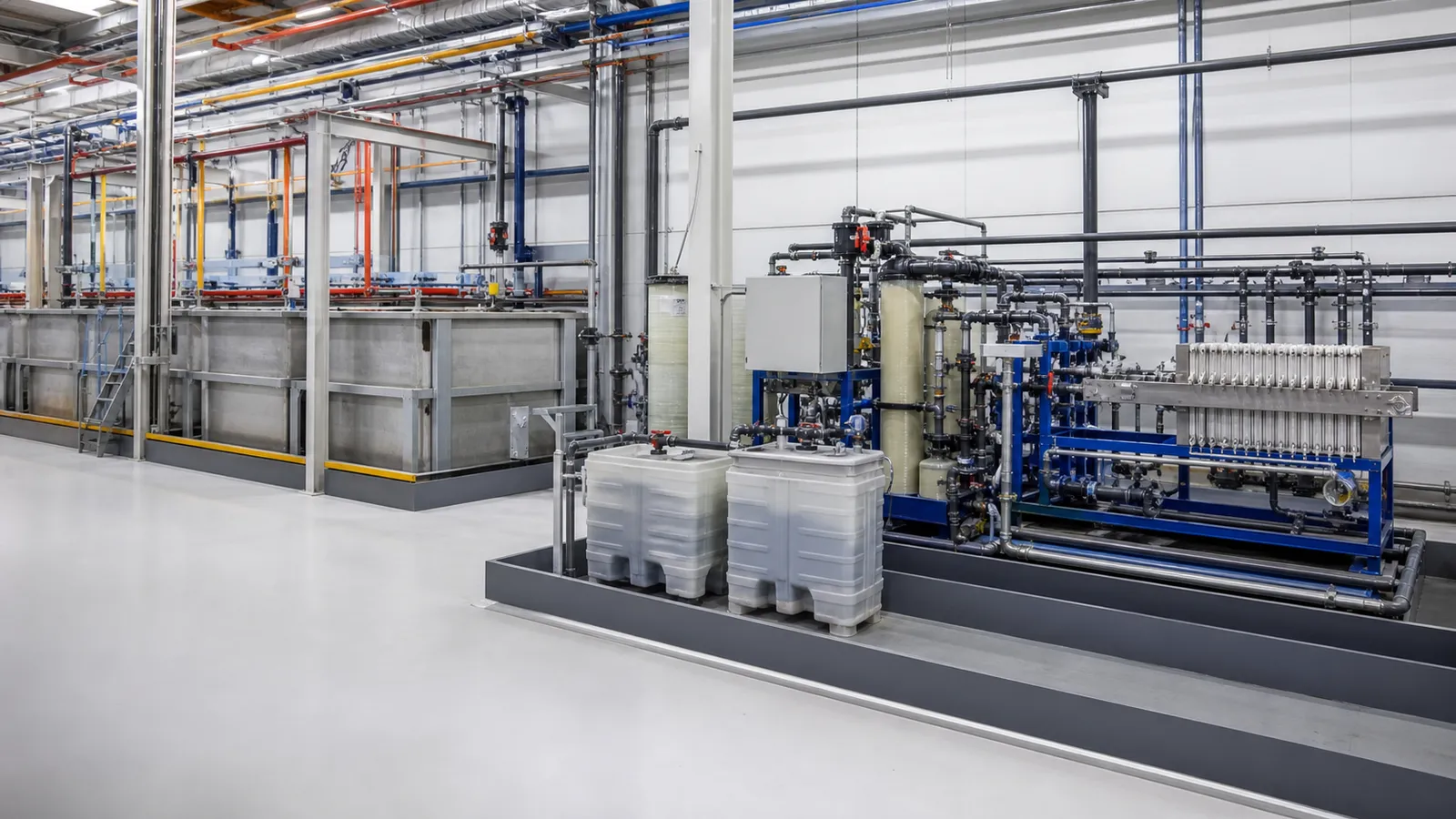
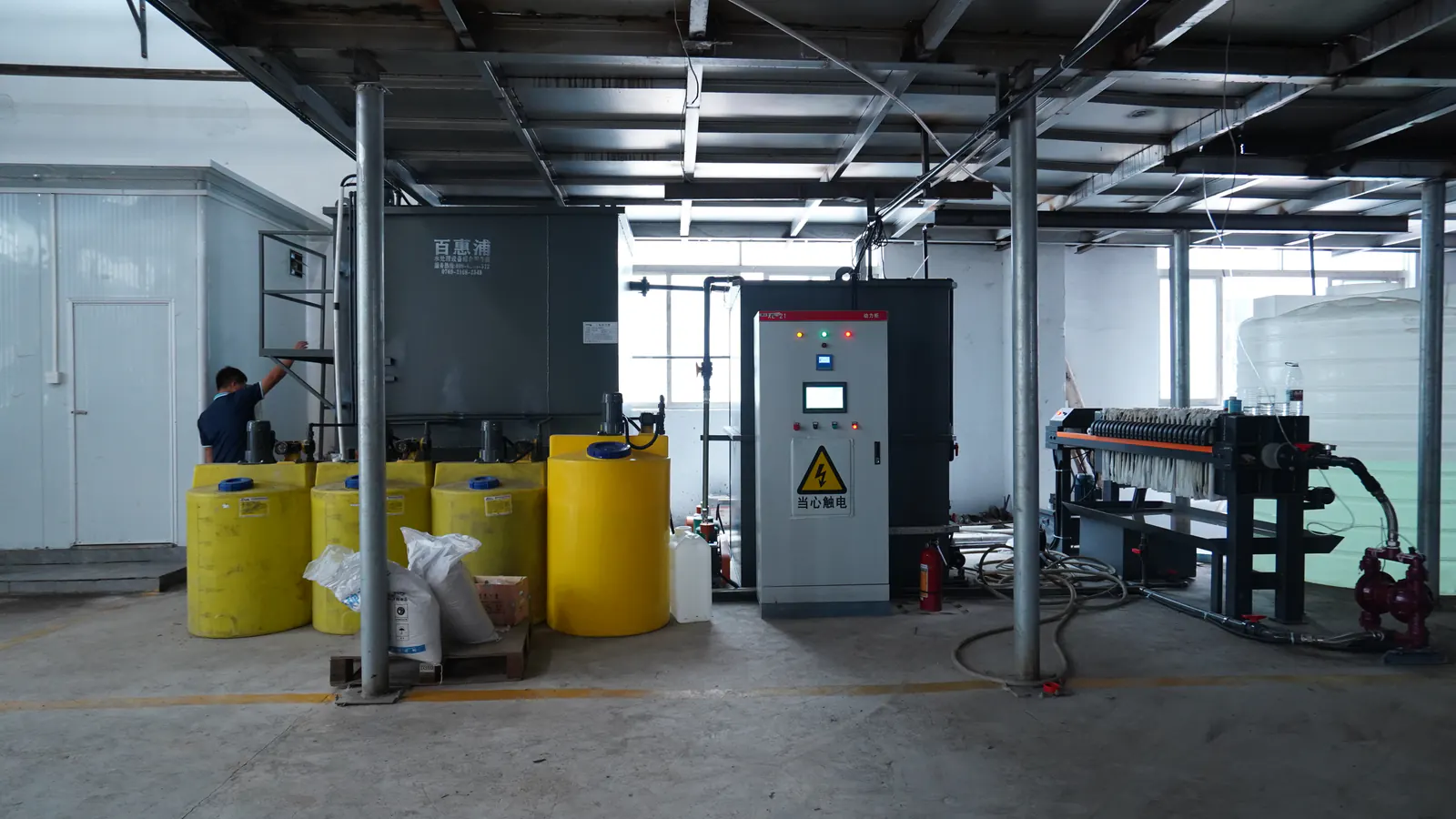
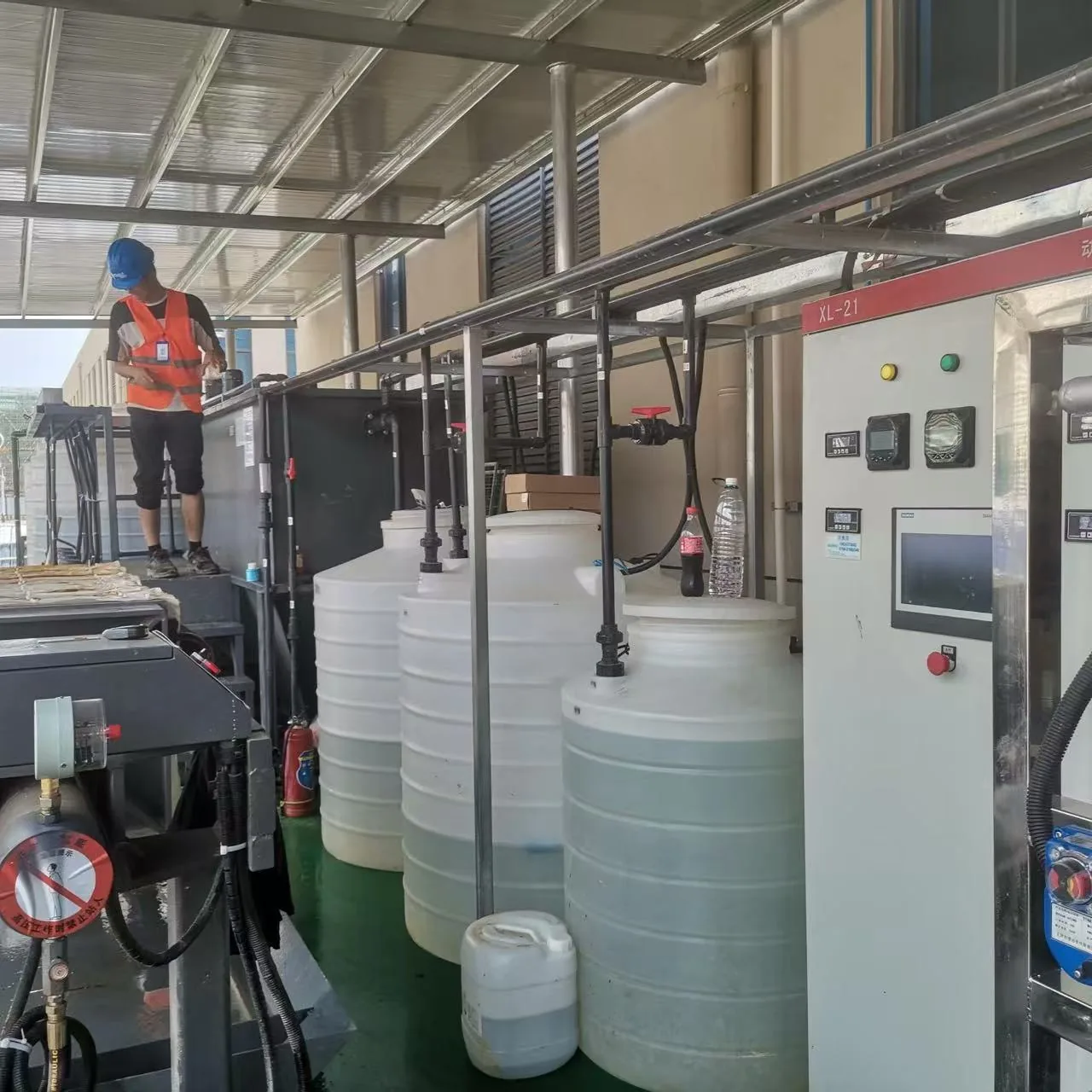
The number and type of process stages usually have more influence on cost than the external appearance of the system. A typical treatment train may combine several of the following:
- screening or oil separation;
- equalization;
- pH adjustment and chemical precipitation;
- coagulation, flocculation, and clarification;
- dissolved-air flotation;
- biological treatment;
- media filtration or activated carbon;
- ultrafiltration;
- reverse osmosis or nanofiltration;
- ion exchange or electrodeionization;
- evaporation and crystallization;
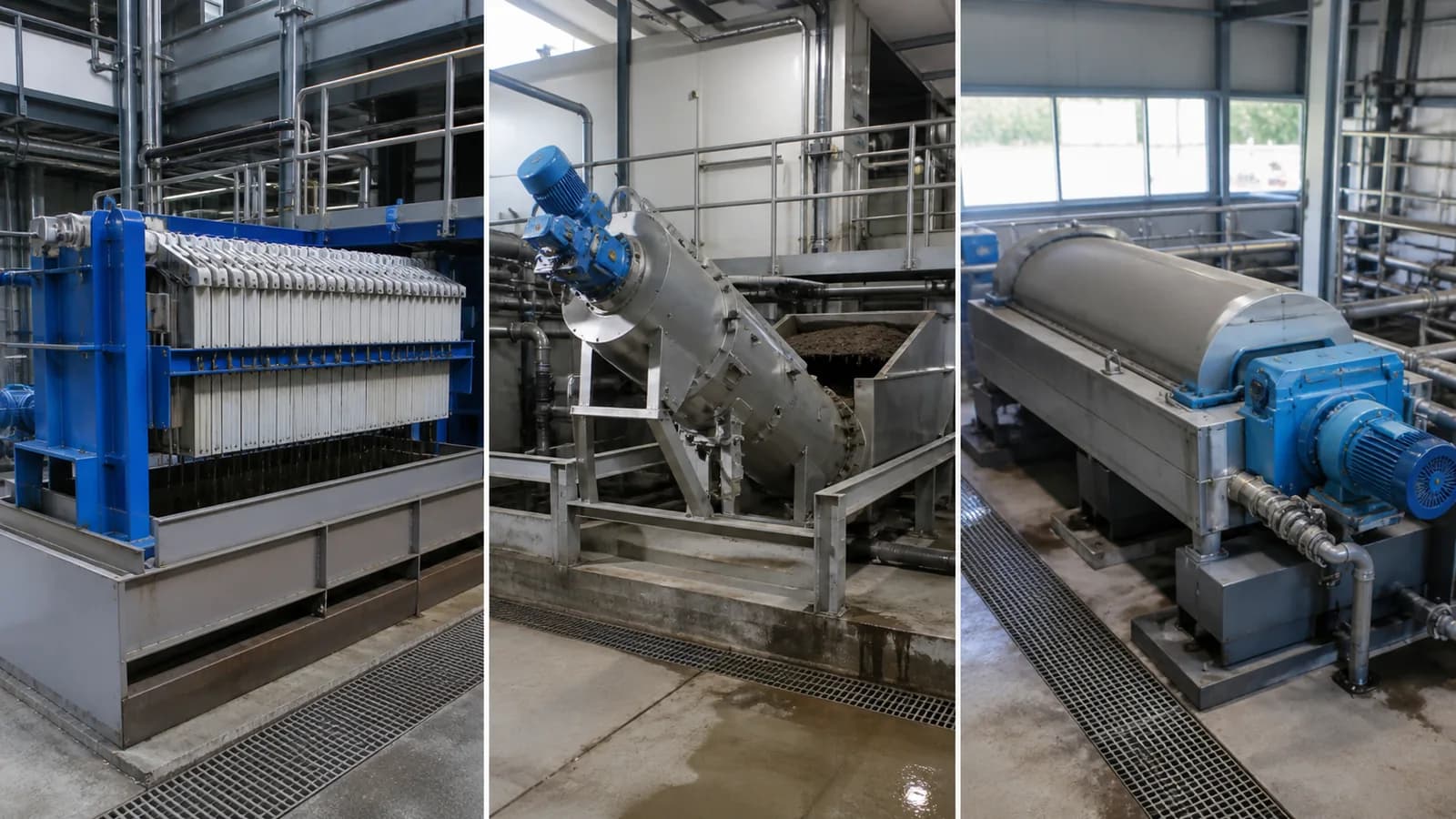
- sludge thickening and dewatering.
Every additional stage should have a defined purpose. A proposal that lists many technologies without connecting them to the water analysis is not automatically more robust. Conversely, a simple process without a clear contaminant mass balance may shift the problem into membranes, sludge, concentrate, or downstream operations.
Ask suppliers to explain which water-quality issue each major unit addresses and what assumptions were used.
5. Equipment materials and corrosion allowance
Material selection affects tanks, piping, pumps, heat exchangers, fasteners, instruments, and structural frames. Carbon steel, coated steel, FRP, PP, PVC, HDPE, and different stainless-steel grades have different cost and compatibility profiles.
The lowest-cost material is not economical if it is incompatible with chloride, acidity, oxidants, solvents, or operating temperature. At the same time, specifying premium alloys everywhere may add cost without technical justification.
The proposal should identify wetted materials for key equipment. Where corrosion risk is uncertain, the supplier may need more complete chemistry, temperature data, or a compatibility review before final selection.
6. Automation, instrumentation, and data requirements
A manually operated batch system and a continuously monitored automated system are different products even when the tanks are similar.
Cost can change with requirements for:
- PLC and HMI functions;
- remote monitoring;
- flow, pressure, level, pH, ORP, conductivity, turbidity, or online organic monitoring;
- automatic chemical dosing;
- alarms and interlocks;
- variable-frequency drives;
- data logging and reporting;
- communication with a plant DCS or SCADA system;
- spare instruments or redundant sensors.
Instrumentation should be selected around operating risk and the information the plant actually needs. More sensors do not automatically create better control; instruments require calibration, maintenance, cleaning, and suitable installation conditions.
7. Site layout and installation constraints
Brownfield sites often cost more to integrate than open greenfield sites. Restricted access, low headroom, long pipe routes, limited crane access, hazardous areas, cold climates, outdoor installation, and the need to maintain production can all affect equipment design.
Useful site information includes:
- available footprint and height;
- indoor or outdoor installation;
- ambient temperature range;
- access-door and lifting limitations;
- distance to collection, discharge, and reuse points;
- foundation and drainage conditions;
- electrical area classification, if applicable;
- local construction codes.
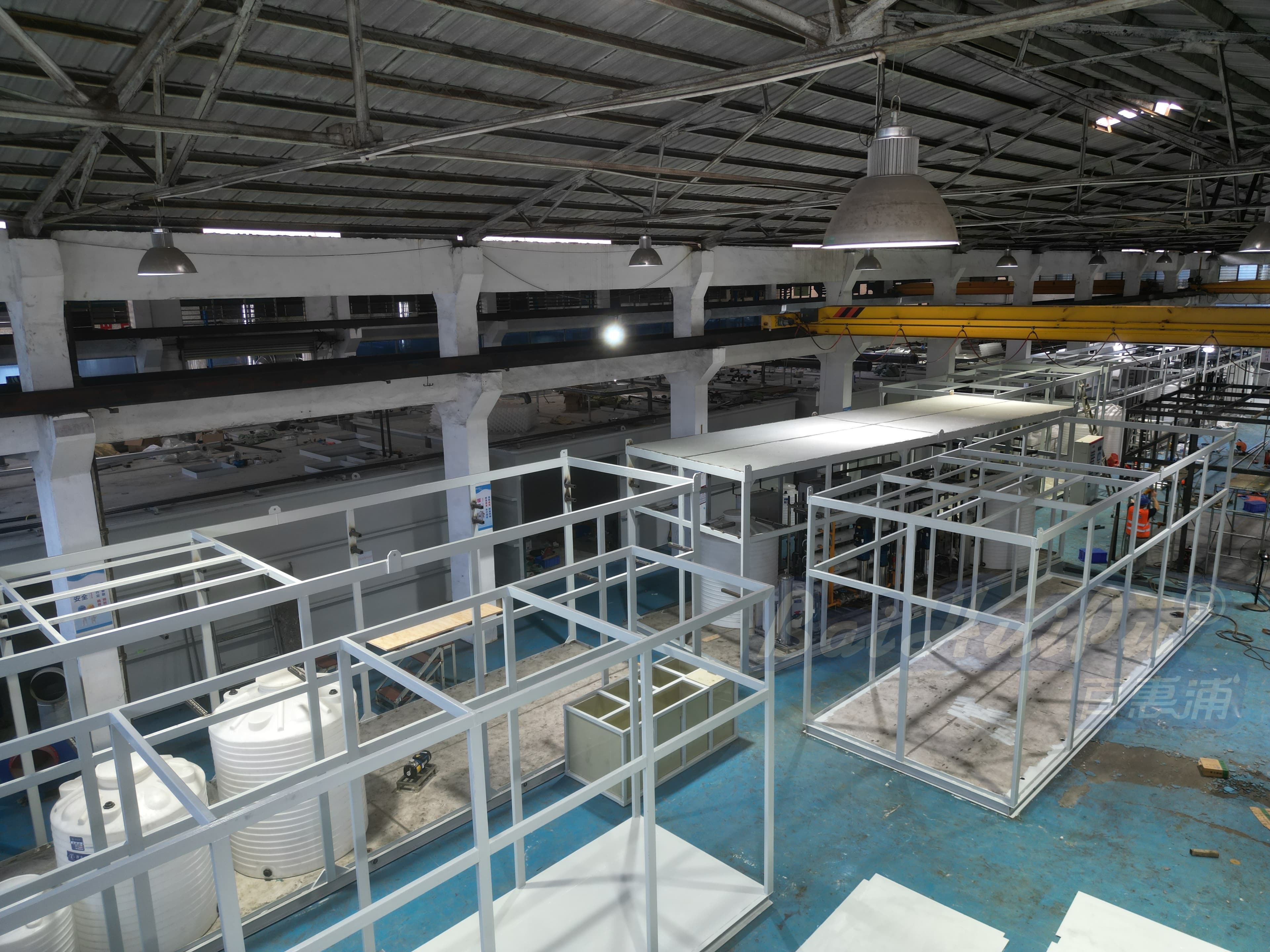
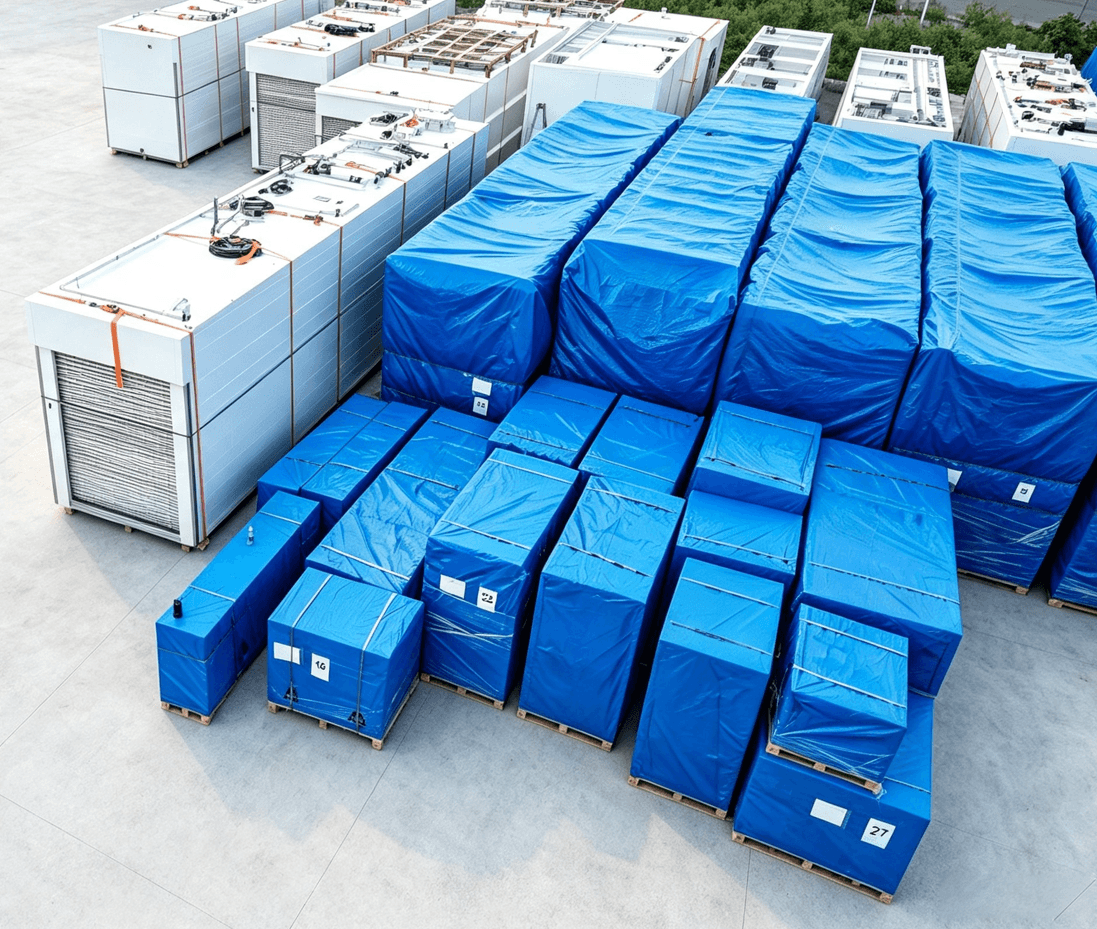
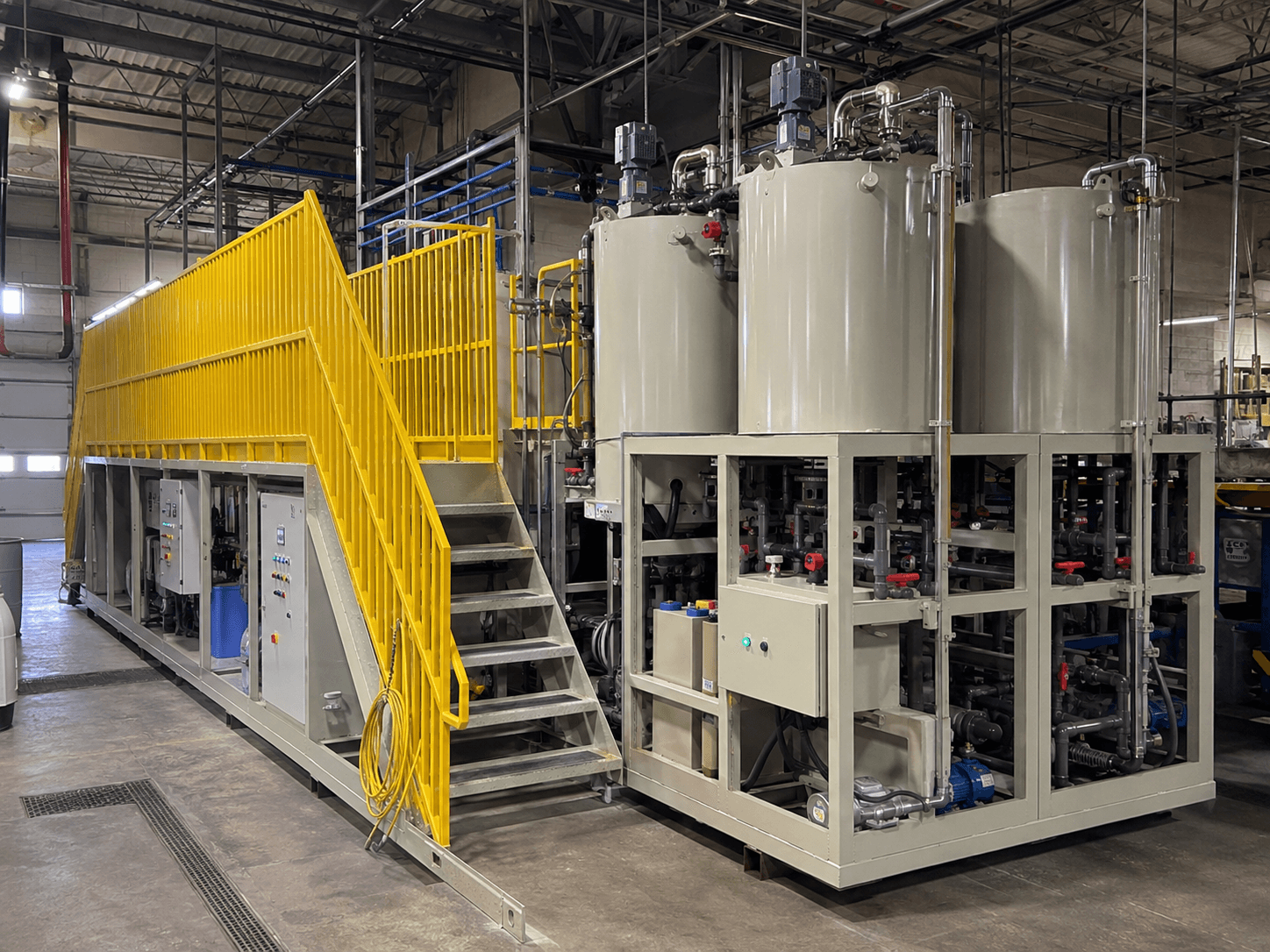
A containerized or skid-mounted package may reduce site assembly, but it does not eliminate the need for foundations, utilities, interconnecting piping, permits, unloading, and commissioning preparation.
8. Available utilities and their real cost
Electricity, steam, cooling water, compressed air, instrument air, chemicals, and clean-water supply influence both capital and operating cost. A process selected without a site utility review may be technically possible but economically poor.
For example, the best concentration route can depend on whether the site has stable electricity, low-cost steam, recoverable waste heat, or limited cooling capacity. The buyer should provide utility pressure, temperature, quality, availability, and local unit cost where possible.
9. Sludge, concentrate, and other residuals
Treatment does not make contaminants disappear. It transfers, separates, degrades, or concentrates them. A complete project estimate therefore needs a plan for sludge, spent media, membrane concentrate, evaporator concentrate, recovered oil, or crystallized salts.
Important questions include:
- How much residual is expected?
- Is it hazardous under local rules?
- Will it be dewatered on site?
- What moisture content is acceptable for transport?
- Is off-site disposal available?
- Can any stream be segregated to reduce disposal volume?
A low equipment price can hide a high lifetime disposal cost. Compare the predicted residual volume and the assumptions behind it.
10. Documentation, compliance, and validation scope
International projects may require drawings, equipment schedules, material certificates, welding records, inspection and test plans, electrical documentation, control narratives, spare-parts lists, operation manuals, and specific language formats.
Requirements such as CE-related documentation, local electrical codes, third-party inspection, customer witness testing, or project-specific data books should be listed in the RFQ. They affect engineering hours, component selection, inspection planning, and delivery schedule.
Do not assume every item is included. Request a document register and a clear list of exclusions.
11. Factory testing and shipment inspection
Factory testing improves delivery confidence, but the test scope must be defined. Depending on the system, factory activities may include:
- visual and dimensional inspection;
- verification against approved drawings and equipment lists;
- hydrostatic, pressure, or leakage checks where applicable;
- pump rotation and functional checks;
- PLC input/output and interlock simulation;
- instrument and tag verification;
- control-panel energization;
- trial circulation with clean water;
- review of packing and preservation.
A factory acceptance test with clean water does not prove final treatment performance on the customer’s wastewater. Biological performance, membrane recovery, chemical consumption, evaporator behavior, and treated-water quality depend on actual feed conditions and the completed site installation. A trustworthy FAT report separates functional verification from process-performance validation.
Before shipment, confirm loose items, spare parts, openings and flanges, instrument protection, lifting points, moisture protection, packaging labels, and the documentation sent with the equipment.
12. Delivery, installation, commissioning, and after-sales scope
An equipment-only quotation should not be compared directly with a proposal that includes international packing, freight, installation supervision, commissioning support, operator training, consumables, and performance testing.
Ask each supplier to separate:
- equipment supply;
- export packing;
- inland transport and international freight;
- unloading and positioning;
- civil works;
- utility connections;
- installation labor;
- commissioning supervision;
- chemicals and initial consumables;
- operator training;
- recommended spares;
- warranty and remote support.
Incoterms, delivery location, site access, visa requirements, and customer responsibilities should be explicit. This is particularly important when comparing suppliers from different countries.
Capital cost is only one part of the decision
A sound comparison considers total cost of ownership, not just purchase price.
| Cost area | Questions to ask |
|---|---|
| Energy | What is the expected power, steam, heating, or cooling demand at the stated load? |
| Chemicals | Which chemicals are required, at what estimated dose, and based on which water analysis? |
| Labor | Is continuous operator attention required? Which tasks are manual? |
| Consumables | What is the expected replacement basis for membranes, filters, resin, media, seals, and probes? |
| Cleaning | How often is cleaning expected and what chemicals or downtime are involved? |
| Residual disposal | What volume and form of sludge, concentrate, or solids is expected? |
| Maintenance | Which rotating or critical components require routine service or redundancy? |
| Downtime risk | What happens if one pump, blower, membrane train, compressor, or instrument is unavailable? |
Operating estimates should be presented as assumptions or ranges, not guarantees, until the feed water and operating conditions are confirmed. If a supplier gives a very precise operating cost from incomplete data, ask how it was calculated.
What to include in an industrial wastewater RFQ
Use the following checklist to make quotations more accurate and comparable.
Process and water data
- industry and production process;
- source of each wastewater stream;
- representative laboratory analysis with test method and sample date;
- expected minimum, typical, and maximum concentrations;
- average, peak, and batch flow;
- temperature and operating schedule;
- chemicals that may enter the stream;
- existing treatment equipment and its performance.
Treatment target
- discharge or reuse destination;
- applicable limits or customer specification;
- desired recovery rate, if reuse is planned;
- concentrate, sludge, or solids-handling objective;
- expected production expansion.
Site and delivery information
- available footprint and installation environment;
- utilities and their conditions;
- preferred automation and communication interface;
- required codes, documents, and inspection;
- destination country and delivery term;
- requested installation and commissioning support;
- target project schedule.
When some data is unavailable, identify it as “to be confirmed.” A supplier can then state provisional assumptions rather than hiding uncertainty.
How to compare wastewater treatment quotations fairly
Create a comparison sheet with one row for each technical and commercial boundary. Do not compare only total price.
Confirm:
- design flow and peak basis;
- influent design values;
- outlet target and recovery assumption;
- process stages and redundancy;
- wetted materials;
- instruments and automation;
- residuals-handling scope;
- connected and estimated operating loads;
- documentation and FAT scope;
- installation and commissioning responsibilities;
- exclusions;
- warranty and spare-parts basis.
The best proposal is not necessarily the most expensive or the least expensive. It is the one with the clearest design basis, appropriate risk control, transparent boundaries, and a process route supported by the available data.
Frequently asked questions
How much does an industrial wastewater treatment system cost?
A defensible budget requires flow, water analysis, outlet target, operating schedule, site conditions, and supply scope. Flow alone cannot distinguish a simple solids-removal system from a multi-stage reuse or high-salinity treatment plant. For early budgeting, ask for a range tied to stated assumptions, then update it when sampling and design data improve.
What water analysis is needed before requesting a quote?
The parameter list depends on the production process. A useful starting set often includes pH, conductivity or TDS, TSS, COD, BOD where relevant, oil and grease, hardness, alkalinity, silica, major ions, metals, nutrients, temperature, and known process chemicals. Include variation across shifts, recipes, and cleaning cycles.
Can a supplier guarantee performance from one wastewater sample?
Usually not responsibly. A single sample may not represent production variability. Performance commitments should use an agreed design envelope, sampling basis, operating conditions, and customer responsibilities. Bench or pilot testing may be appropriate for uncertain or difficult streams.
Is a containerized system always cheaper?
No. Containerization can simplify factory assembly, transport coordination, and site installation for suitable capacities and layouts. It may add structural, ventilation, access, temperature-control, and transport constraints. Compare the complete installed scope rather than the container price alone.
What is normally checked during factory acceptance testing?
FAT commonly verifies configuration, assembly, tags, documentation, leakage or pressure checks where applicable, panel and PLC functions, instruments, alarms, and trial operation with a safe test medium. The exact scope should be agreed in an inspection and test plan. FAT is not automatically a full treatment-performance test.
How can a buyer reduce project cost without increasing risk?
Segregate concentrated streams, define a fit-for-purpose outlet target, provide representative data, confirm realistic peak flow, use site utilities efficiently, and agree the supply boundary early. Removing unnecessary uncertainty often saves more than simply asking suppliers to reduce equipment price.
Conclusion
Industrial wastewater treatment system cost is the result of a design basis, not a price per cubic metre. Flow determines scale, but composition, variability, outlet quality, residuals, materials, controls, site integration, inspection, and delivery determine what must actually be built.
The fastest way to improve quotation quality is to send a structured RFQ. Even when some information is missing, a clear list of confirmed data and open questions allows the supplier to state assumptions and recommend the next technical step.