Introduction
The phrase “lithium battery wastewater” sounds like one wastewater category. It is not. A cathode-material facility, an electrode-coating plant, a cell-assembly factory and a battery-recycling operation can create very different liquid streams. Even similar factories may differ in binder chemistry, cleaning methods, production schedule, reuse target and discharge route.
This distinction matters during procurement. A quotation based only on daily flow and an industry label may hide assumptions about metals, fluoride, salts, suspended material, N-methyl-2-pyrrolidone (NMP), sludge and concentrate. Those assumptions can change the equipment, materials, operating cost and performance boundary.
The U.S. EPA’s battery-manufacturing guidance identifies wastewater from activities such as equipment washing, area washdown, laboratories and wet scrubbers. Pollutants and limits vary by subcategory and discharge route. The broader procurement lesson is simple: the process and permit define the design basis; the word “battery” does not.
This guide explains the information a buyer should prepare, how to evaluate a proposed treatment route, and what should be verified during factory testing, shipment inspection, installation preparation and site acceptance. It is not a substitute for site-specific laboratory work or local regulatory review.
First Define Which Battery Operation Is in Scope
Before discussing equipment, identify the production boundary. The following operations should not be treated as interchangeable.
Cathode-material or precursor production
Precipitation, washing, filtration and cleaning can generate water containing nickel, cobalt, manganese, lithium, ammonia, sulfate or solids. The relevant list depends on the chemistry, such as NMC, LFP or another route. Test individual analytes that match the materials used rather than requesting one generic “heavy metals” value.
Electrode manufacture
Conventional cathode coating may use PVDF binder and NMP solvent, while anode coating commonly uses an aqueous route. U.S. Department of Energy references describe NMP recovery as part of conventional cathode processing. This does not mean every drain contains NMP. Map solvent recovery, scrubber liquids and cleaning streams first. Anode wash water may contain fine graphite and water-based binders that affect coagulation, filtration and biological treatability.
Cell assembly and formation areas
Floor or equipment cleaning, wet-scrubber liquids, laboratory wastewater and abnormal-event collection may be relevant. Electrolyte-contact water needs special review because conducting salts and organic carbonates can create safety and treatment concerns.
Battery recycling
Hydrometallurgical recycling can generate acidic, metal-rich and saline liquids unlike cell-manufacturing wastewater. State clearly whether the project is recycling or manufacturing; do not apply a cell-factory flow diagram to a recycling project.
Build a Wastewater Source Map Before Taking a Combined Sample
For each drain or batch, record the production step, chemicals, normal and maximum volume, discharge frequency, temperature, pH range, visible solids, and whether it occurs during production, cleaning or an upset.
| Potential stream | What to confirm | Why separate review matters |
|---|---|---|
| Cathode or precursor wash water | Individual metals, pH, ammonia, sulfate, solids and batch timing | Metals chemistry and high-strength batches can determine precipitation and sludge load |
| Electrode-equipment wash water | NMP or other identified organics, graphite, binder, COD/TOC and suspended solids | Solvent recovery, solids removal and organic treatment may require different routes |
| Fluoride-related or electrolyte-contact water | Total fluoride, specific process chemicals, pH, phosphorus and safety information | Bulk precipitation may not address every fluorinated compound or low residual target |
| Acidic and alkaline cleaning batches | Chemical identity, concentration, volume and release schedule | Controlled neutralization may be needed before blending |
| Floor and maintenance wash water | Oil, solids, metals, detergents and irregular peak loads | Intermittent loads can disrupt a system designed from daily averages |
| Scrubber blowdown | Captured compound, salinity, pH and oxidizing conditions | The stream may require materials and treatment different from rinse water |
| Utility and membrane residuals | Cooling blowdown, RO reject, regeneration waste and clean drains | Relatively clean water may be reusable; concentrate may control the final mass balance |
Segregation does not require a complete line for every drain. It keeps incompatible, concentrated or recoverable streams identifiable until treatment consequences are understood. After mixing, a low-volume difficult stream can determine the cost of treating the full flow.
What Water Data Should a Buyer Provide?
Flow and operating pattern
Provide average daily flow, maximum daily flow, peak hourly flow, batch volume, batch duration, number of operating shifts and planned expansion. A nominal 20 m³/day released in two concentrated cleaning batches is not hydraulically equivalent to a continuous 20 m³/day rinse stream.
Size equalization against the release schedule and required buffer, not an arbitrary retention time. Consider emergency or off-spec storage separately.
Representative laboratory analysis
Useful baseline parameters may include:
- pH, temperature, conductivity, total dissolved solids and alkalinity;
- total suspended solids, turbidity and particle characteristics;
- COD, TOC, BOD where meaningful, oil and grease, and identified solvents;
- nickel, cobalt, manganese, lithium, copper, aluminum, iron and any other process-relevant metals;
- fluoride, phosphorus, ammonia, sulfate, chloride and other ions indicated by the chemical inventory;
- hardness, silica and scaling species when membrane reuse or evaporation is being evaluated.
Report dissolved and total metals separately where relevant. Attach the original report, sampling point, date and production condition; one quiet-shift grab sample is not a maximum design condition.
Chemical inventory and safety information
List raw materials, cleaners, complexing agents, surfactants, oxidants, antifoams and solvents that may reach wastewater. Safety data sheets help identify incompatibility and materials concerns but do not replace analysis.
Research has identified NMP and nano-graphite in some lithium-battery production wastewater. This supports targeted testing, not an assumption that every factory needs the same oxidation process.
Required outlet and monitoring basis
Define whether water goes to a sewer, industrial-park system, surface discharge, downstream plant or a named reuse point. Include the applicable local requirement and sampling protocol.
“For reuse” is incomplete. Washing, cooling makeup, rinsing and high-purity process water have different requirements. Name the reuse point before selecting RO or other polishing.
How to Select the Treatment Route
The following stages are engineering roles, not a standard package. Every stage should be tied to a confirmed contaminant or operating risk.
1. Controlled collection and equalization
Keep concentrated metals, strong acid or alkali, solvent-related liquids, electrolyte-contact water and clean utility streams separate where needed. Blend only after compatibility is understood. Equalization may require mixing, ventilation, level protection and abnormal-batch diversion.
2. pH adjustment and chemical precipitation
Chemical precipitation may convert nickel, cobalt, manganese or other dissolved metals into separable solids. Effective pH and reagent sequence depend on species, concentration, complexing agents and target. Lithium is comparatively soluble under many conventional hydroxide-precipitation conditions, so this step is not universal lithium removal.
Jar testing should evaluate realistic wastewater, dose, pH window, mixing, reaction time, settling behavior and sludge volume. A theoretical solubility calculation or one clear beaker is not a full-scale guarantee.
3. Coagulation, flocculation and solids separation
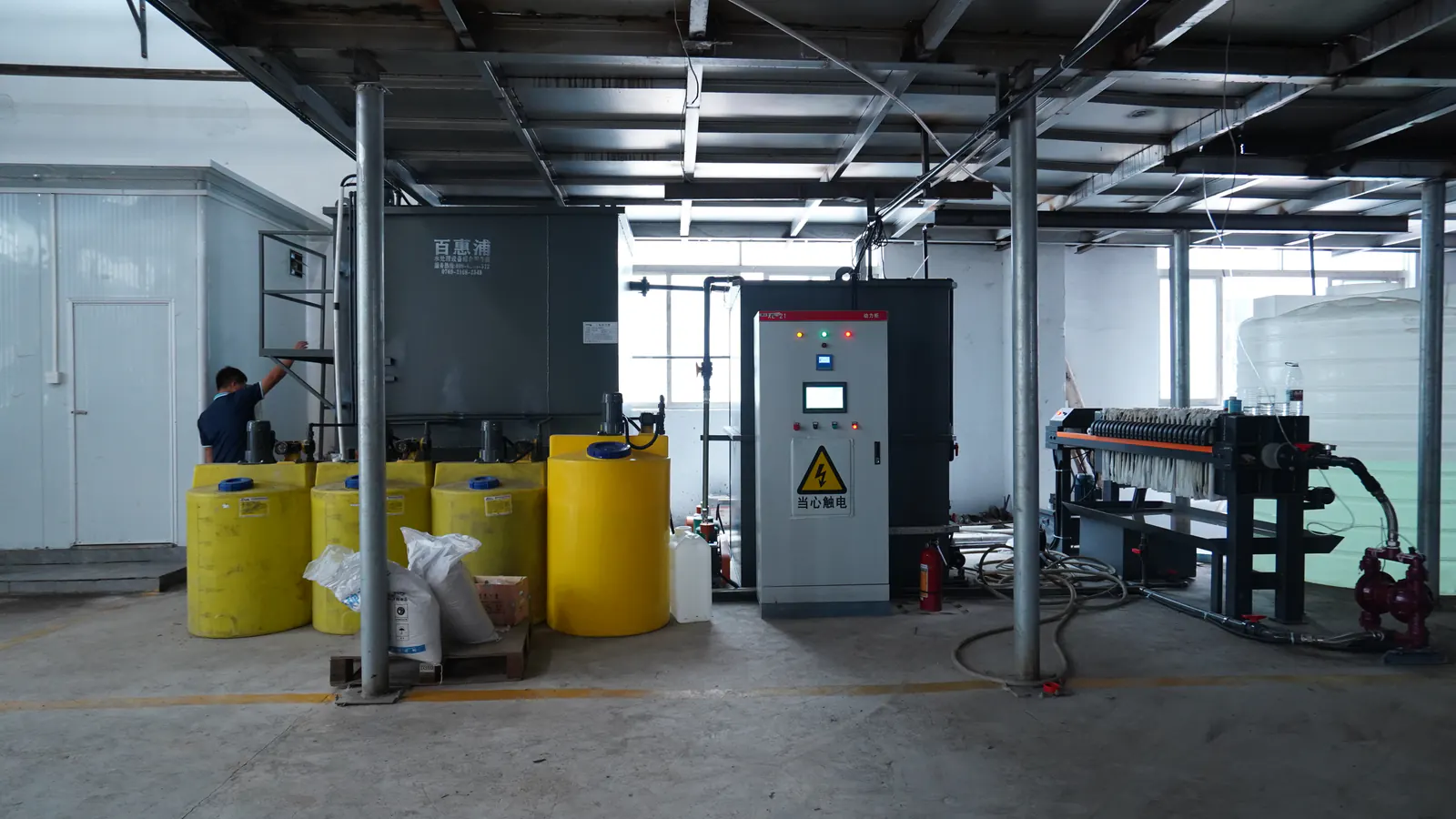
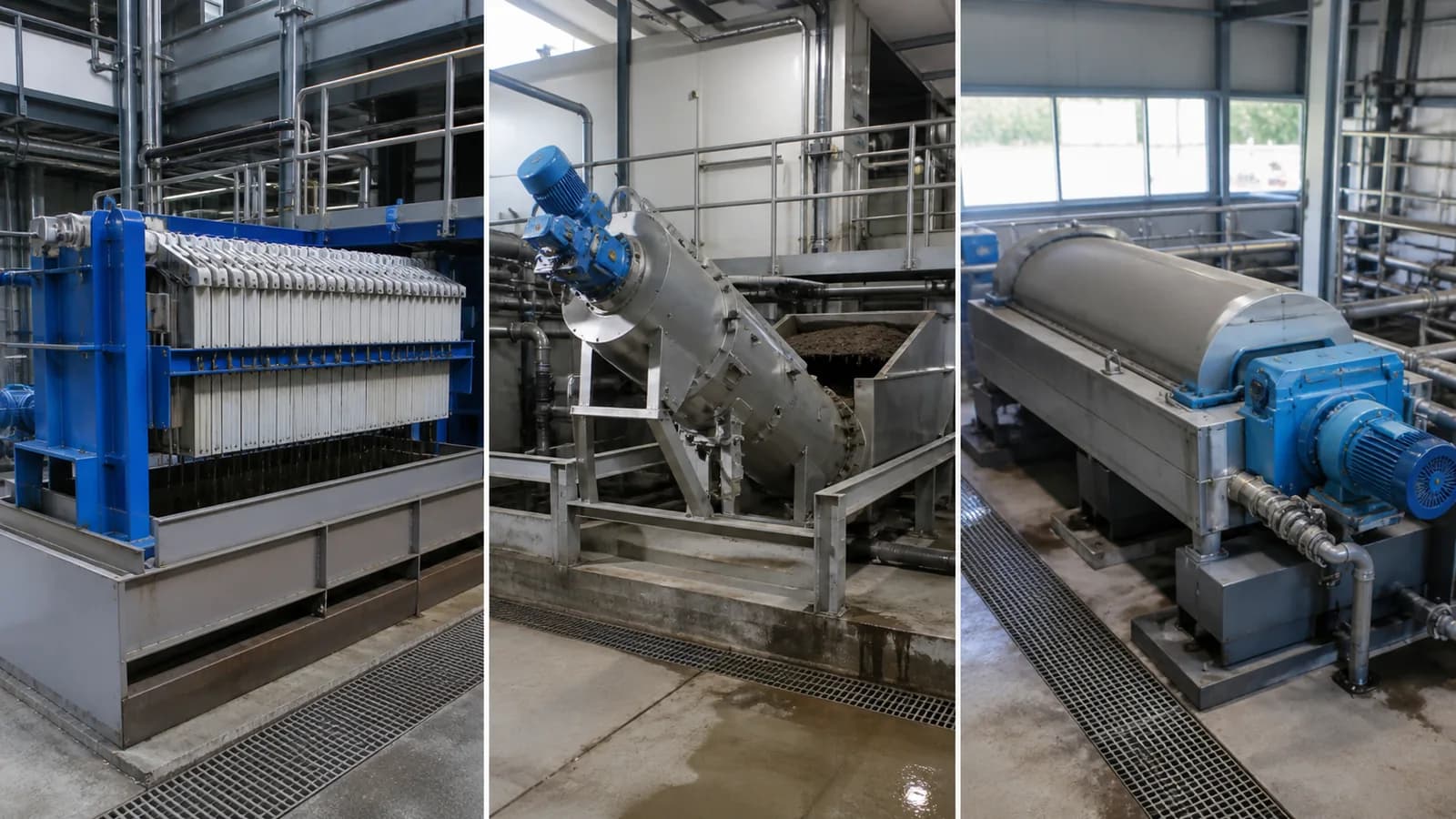
Precipitated metals, graphite and active-material fines require reliable separation. Depending on solids behavior, options include clarification, lamella settling, flotation, membrane filtration or media filtration.
The design should include sludge thickening, dewatering, storage and a permitted disposal or recovery route. Water treatment transfers contaminants into residuals; it does not make them disappear.
4. Fluoride or phosphorus treatment where confirmed
Fluoride-bearing streams may require calcium-based precipitation and solids separation, followed by polishing if the required residual is lower than bulk precipitation can reliably achieve. Performance depends on fluoride form, competing ions, calcium dose, pH, reaction time and solids separation.
Not every fluorinated compound behaves as free fluoride. Electrolyte-related or recycling water therefore requires analysis and treatability work matched to the actual stream.
5. Organic treatment and NMP management
High COD does not prove biological treatability. Identify whether organics are biodegradable, refractory, volatile, inhibitory or better suited to recovery. BOD/COD relationships, respirometry and targeted analysis reduce uncertainty.
Biological treatment may follow control of metals, pH, toxicity and salinity. Evaluate oxidation or adsorption for identified refractory compounds using tested demand and by-product behavior, not a promise to remove all COD.
6. Membranes and water reuse
Ultrafiltration, nanofiltration, reverse osmosis or ion exchange can support a defined reuse specification. Pretreatment must control suspended solids, precipitated metals, hardness, silica, organics and biological activity as relevant.
Every membrane system creates a retained stream. Ask for permeate, recovery basis, concentrate, cleaning assumptions and the destination of cleaning waste. High recovery is incomplete if concentrate management is unresolved.
7. Evaporation, MLD or ZLD
Evaporation may be justified when discharge is constrained, membrane concentrate must be reduced, or a project requires minimal or zero liquid discharge. It normally benefits from upstream removal of substances that cause scaling, corrosion, foaming or volatile carryover.
ZLD must include concentrate or salt, sludge, cleaning waste, condensate quality and off-spec liquids. Compare energy, materials and final solid handling with the actual regulatory or reuse benefit.
Require a Complete Water and Residuals Mass Balance
A supplier comparison should show where water and contaminants go. At minimum, request:
- inlet flow by major stream;
- treated-water or reuse-water flow;
- sludge quantity calculation basis and expected moisture condition;
- filter backwash and membrane-cleaning wastewater;
- RO or NF concentrate flow;
- evaporation feed, distillate and final residual;
- abnormal or off-spec water storage and return route.
The mass balance should distinguish confirmed customer data from supplier assumptions. Exact chemical and sludge consumption may require treatability testing, but the calculation method and sensitivity should be visible.
Equipment, Materials and Controls Buyers Should Review
Materials of construction should be selected against actual pH, chloride, fluoride, oxidants, solvents, temperature and concentration. “Stainless steel” is not a complete specification. Review tank linings, piping, pump wetted parts, seals, dosing tubes, instruments and concentrated-chemical connections.
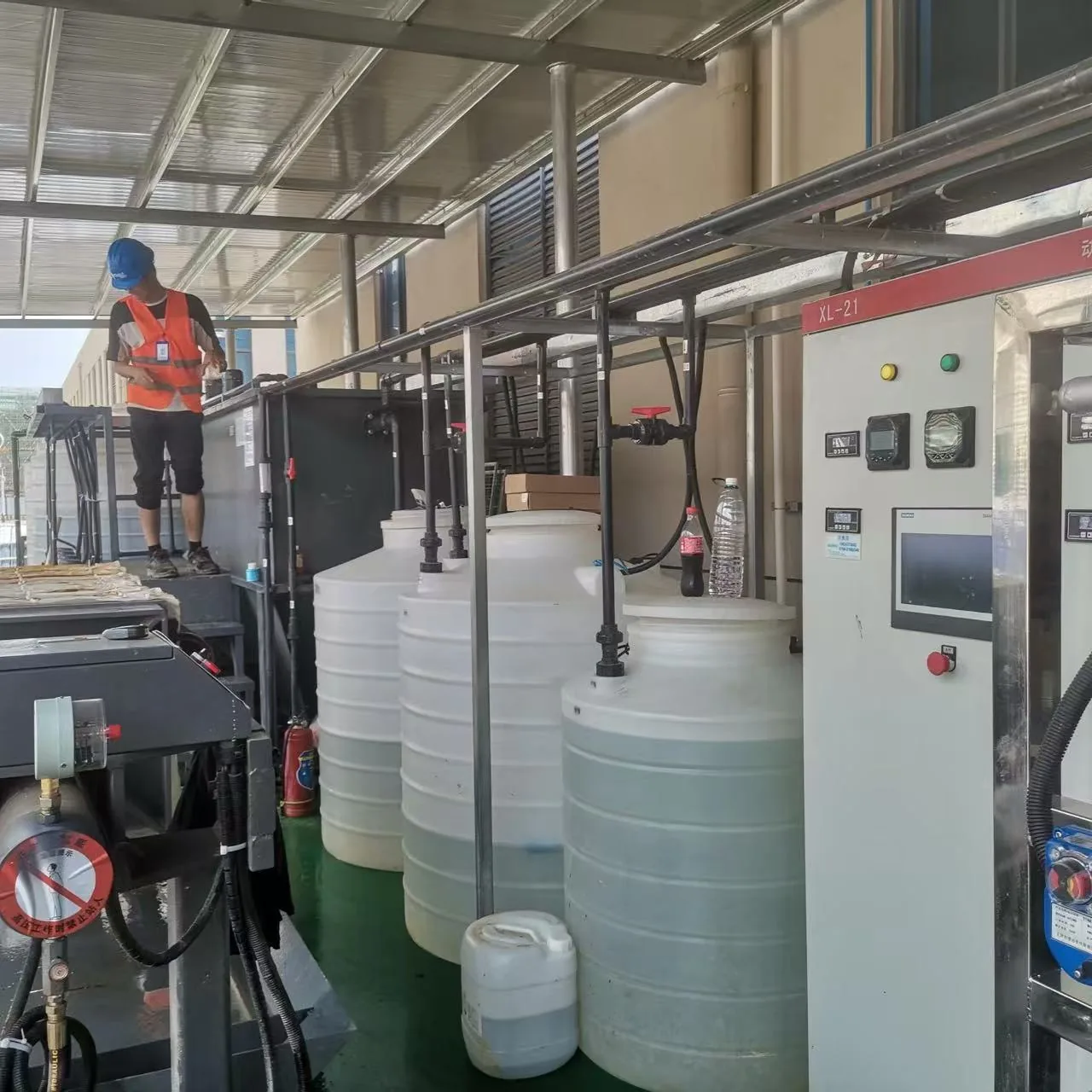
Instrumentation should follow the process risk. Useful measurements may include flow, tank level, pH, conductivity, oxidation-reduction potential, pressure, turbidity or other project-specific parameters. Automatic dosing still requires calibration, chemical-quality control and safe handling. The control narrative should explain normal sequences, interlocks, alarm response, off-spec diversion and restart conditions.
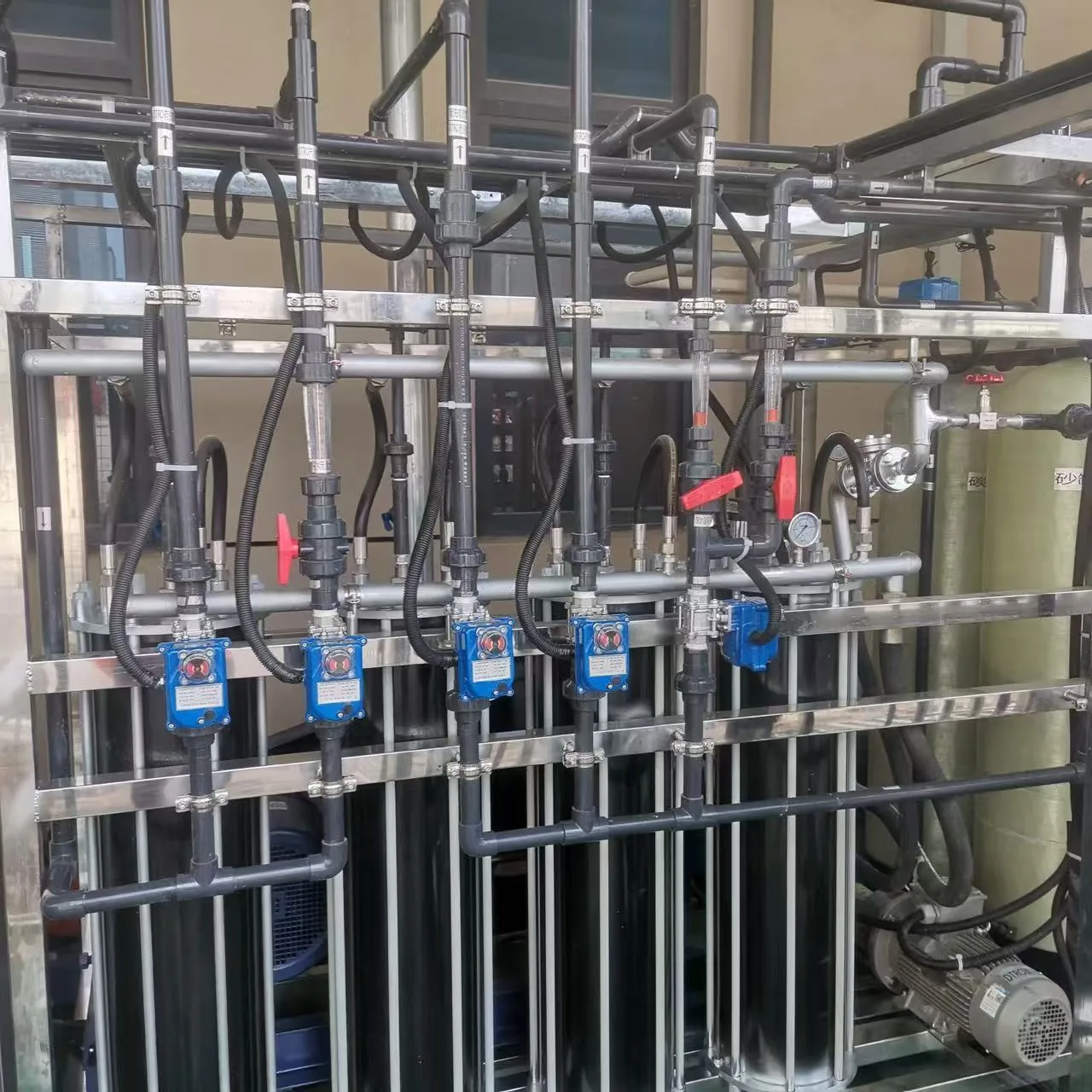
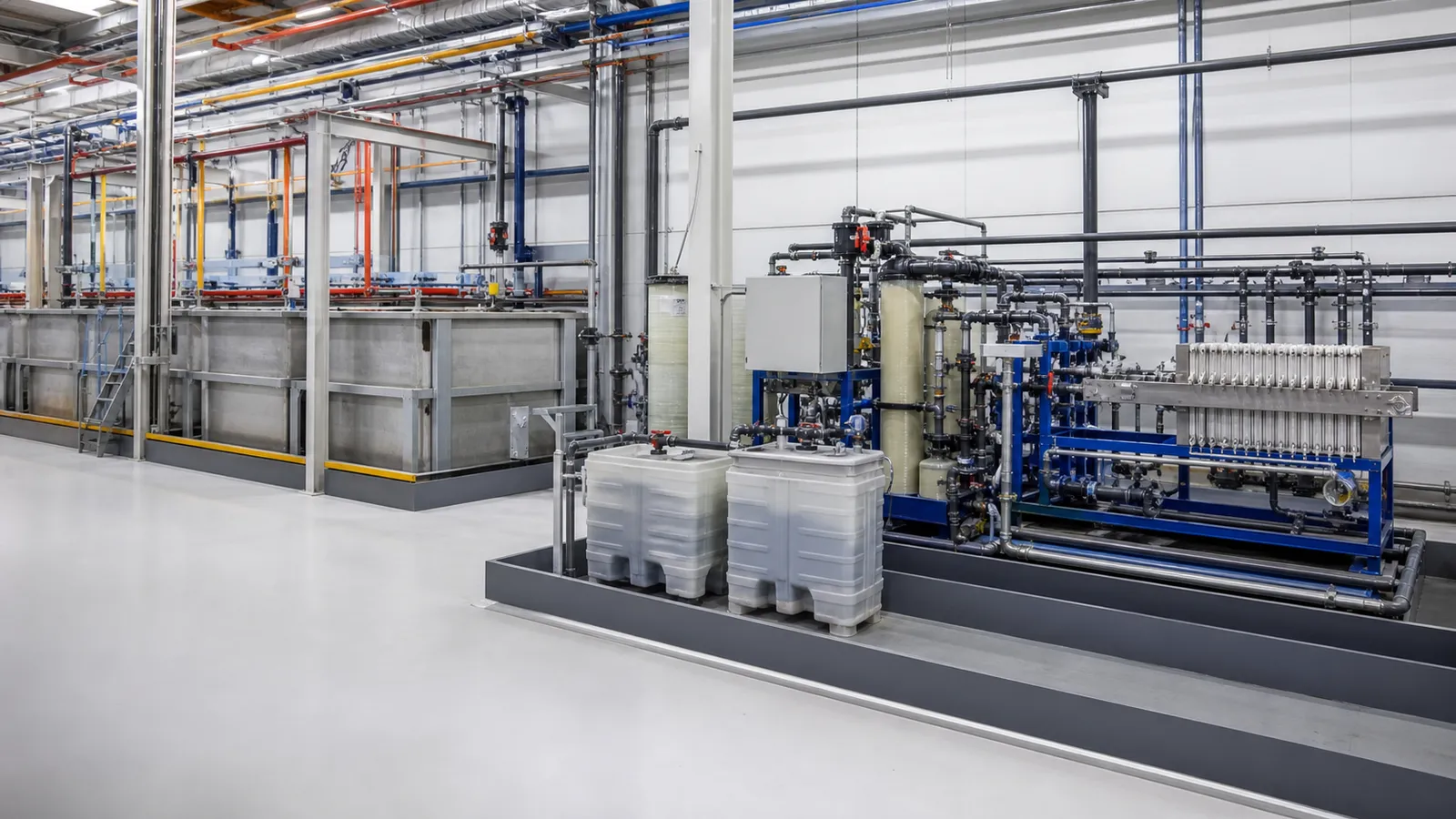
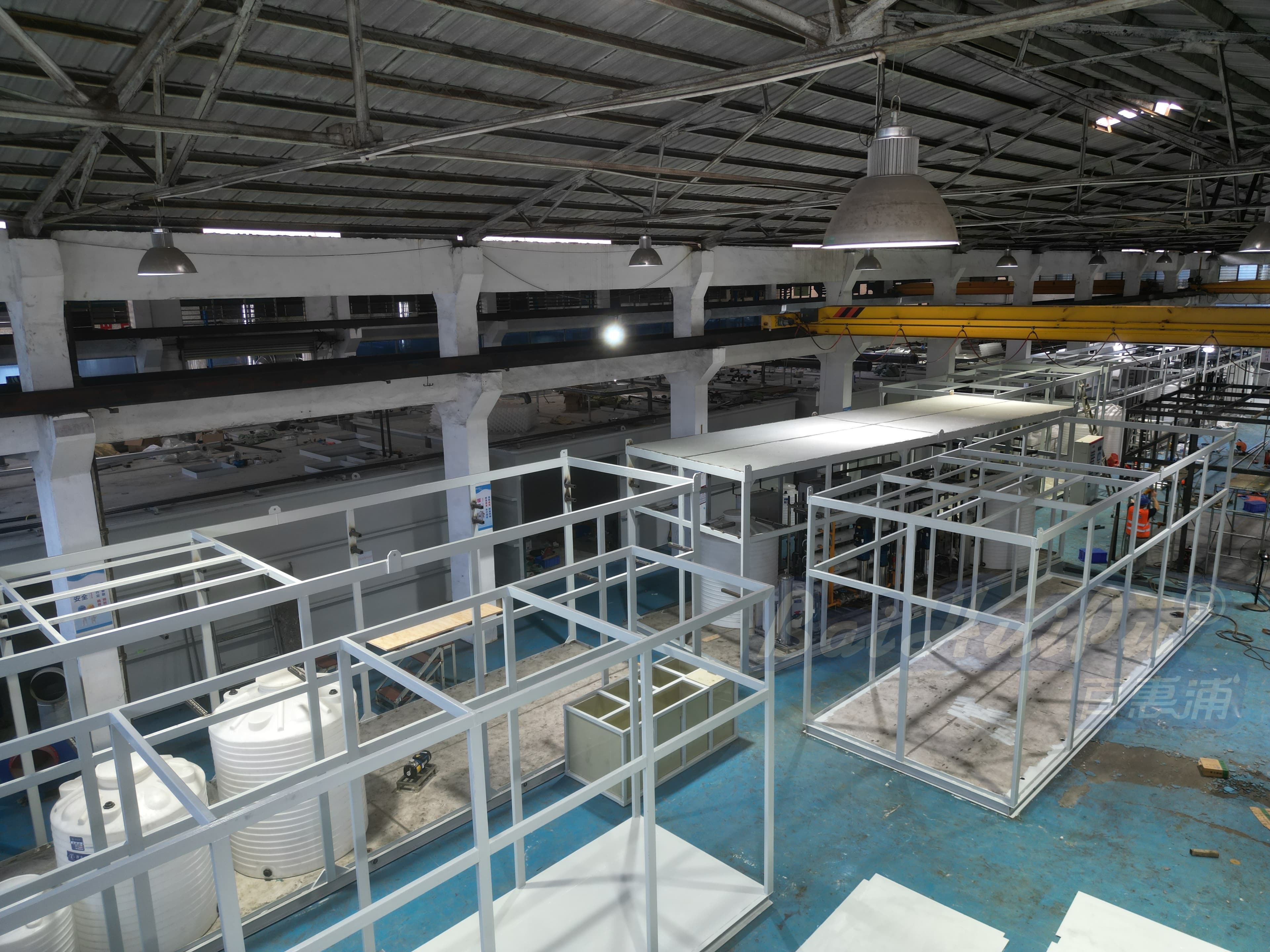
For a modular or skid-mounted system, check maintenance clearance, membrane or pump removal paths, chemical access, drainage, ventilation and lifting points. Compact equipment can reduce field assembly, but it does not remove the need for foundations, site piping, power, clean water, drainage and operator access.
Factory Testing, Shipment Inspection and Installation Preparation
Factory testing should verify what is genuinely testable before actual wastewater is available. A practical factory acceptance test may include:
- equipment identity, dimensions and agreed configuration;
- materials documentation for key wetted components;
- electrical-panel and wiring checks;
- pump rotation, valves, instruments, alarms and interlocks;
- clean-water circulation or pressure checks where appropriate;
- PLC/HMI sequence review;
- drawing, manual, spare-parts and packing-list completeness.
Clean-water factory testing does not prove final metals, fluoride, COD, recovery or sludge performance. Those results belong to a site test under defined feed conditions.
Shipment inspection should confirm capped openings, loose components, instrument protection, membrane preservation, lifting points, export packing and package identification. Before shipment, the customer requirements for destination, voltage, documentation language and import-related labels should be reconfirmed.
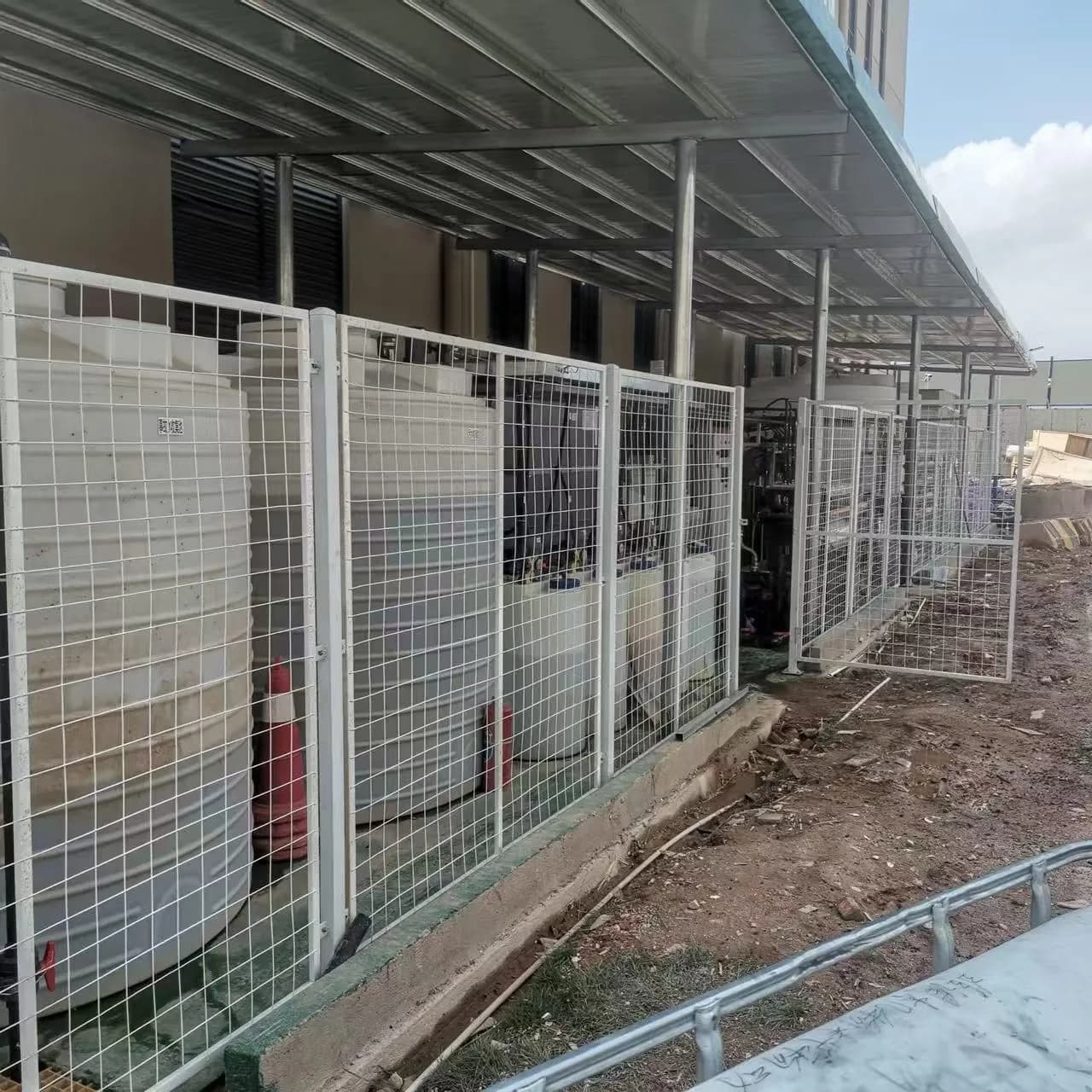
Installation preparation should cover foundations, unloading and lifting, maintenance space, power, compressed air, clean water, ventilation, drainage, chemical storage, sludge removal and laboratory readiness. Many commissioning delays occur at these interfaces rather than inside the treatment skid.
How to Define Site Performance Acceptance
Separate four stages:
- Mechanical completion: installation, piping, electrical, lubrication, calibration and safety checks.
- Wet commissioning: flow, level, dosing, alarms and automatic sequences using clean water or another agreed safe liquid.
- Process start-up: controlled introduction of representative wastewater, chemicals and—if included—biological seed and acclimation.
- Performance testing: operation within a written influent and flow envelope, followed by agreed sampling and analysis.
The acceptance protocol should state average and peak flow, influent concentration range, operating hours, temperature, chemical quality, sampling points, laboratory method, operator responsibilities and treatment target. It should distinguish normal production from cleaning, maintenance, spills and off-spec batches.
Residuals belong in acceptance. Record sludge condition and dewatering behavior, membrane concentrate, chemical consumption and off-spec water. A system that meets a water result while creating an unmanageable residual stream has not completed the project objective.
How to Compare Lithium Battery Wastewater Treatment Suppliers
Use a common comparison sheet and ask each supplier to answer the same questions:
- Which customer data are confirmed, and which values are assumptions?
- Which wastewater streams must remain separate?
- What contaminant or risk does each process stage address?
- What treatability tests are required before final design?
- Where do lithium, transition metals, fluoride, organics and salts go in the mass balance?
- How much sludge, concentrate and cleaning waste may be generated, and on what basis?
- What equipment, civil works, field piping, electrical work and commissioning services are excluded?
- What can the factory acceptance test prove, and what must be proven on site?
- What operator tasks, chemicals, calibration and laboratory support are required?
- How will abnormal water be isolated instead of forced through the normal treatment route?
The lowest equipment price may reflect a smaller design envelope, fewer materials protections, more customer-supplied work or an unresolved concentrate route. Compare technical scope and operating responsibility before comparing the final price.
FAQ
What is the best process for lithium-ion battery wastewater treatment?
There is no universal best process. The route depends on the manufacturing stage, chemicals, segregated streams, metals, fluoride form, organics, salinity, flow variation, outlet target and residuals route. A supplier should connect every treatment stage to confirmed data or an explicit testing requirement.
Can all lithium battery factory wastewater enter one equalization tank?
Not by default. Concentrated metals, strong acids or alkalis, solvent-related liquids, electrolyte-contact water and relatively clean utility streams may need separate collection or controlled blending. Compatibility, safety, treatment chemistry and reuse value should be reviewed first.
Does chemical precipitation remove lithium, nickel, cobalt and manganese together?
Conventional precipitation may remove many transition metals under suitable conditions, but performance depends on speciation, complexing agents, pH and solids separation. Lithium is comparatively soluble in many conventional hydroxide-precipitation conditions. Testing and a contaminant mass balance are necessary before promising a combined result.
Is NMP always present in lithium battery wastewater?
No. NMP may be relevant to conventional cathode coating and associated cleaning or recovery systems, but its presence in wastewater depends on the factory process and collection practices. Confirm it through the process inventory and targeted analysis rather than assuming it from the industry name.
Is reverse osmosis or ZLD always necessary?
No. RO is justified when the reuse or discharge target requires dissolved-solids reduction and a concentrate route is available. ZLD may be considered when discharge constraints or resource goals support it, but it adds energy, materials and residual-management requirements. The decision should follow a water and salt mass balance.
What information is needed for a lithium battery wastewater treatment quotation?
Provide the production process, chemical inventory, wastewater source map, average and peak flows, batch schedule, original laboratory reports, treatment target, available footprint, utilities, project location, residual-disposal constraints, automation expectations and required supply boundary.
Conclusion
A lithium battery wastewater treatment system is best designed as a controlled set of source, reaction, separation and residual-management decisions. The buyer’s strongest protection is a clear design basis: keep difficult streams visible, test representative water, define the outlet, account for sludge and concentrate, and separate equipment checks from site process performance.
This approach does not make procurement unnecessarily complex. It prevents a simple daily-flow number from hiding the chemistry, interfaces and operating responsibilities that determine whether the system will be practical after installation.
Related Buyer Resources
- Battery Manufacturing Wastewater Treatment: Metals, Fluoride, Organics and Reuse
- Industrial Wastewater Treatment RFQ Checklist
- How to Size an Industrial Wastewater Treatment System
- Industrial Wastewater Treatment Systems
- Semiconductor, Electronics & PCB Water Treatment Solutions
References
- U.S. EPA — Battery Manufacturing Effluent Guidelines
- U.S. EPA — Guidance Manual for Battery Manufacturing Pretreatment Standards
- U.S. Department of Energy — Vehicle Technologies Office Batteries Program FY 2022 Annual Progress Report
- PubMed — Removal of N-methyl-pyrrolidone from lithium battery production wastewater
- Google Search Central — Optimizing for generative AI features on Google Search